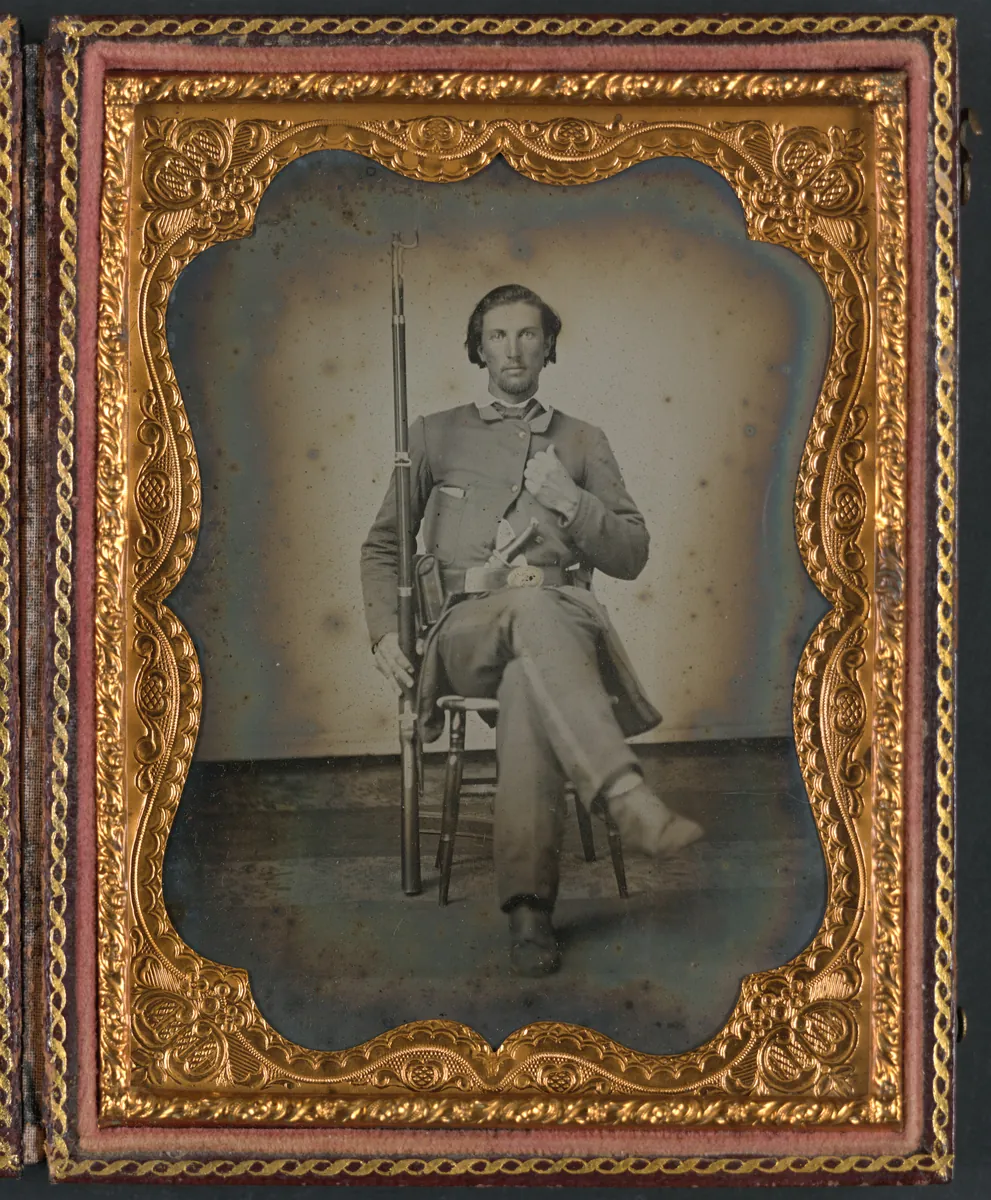
April 6, 1865 — three days before Lee would surrender at Appomattox — Union forces pushed down the French Broad Valley toward Asheville. The war had left the city mostly untouched; Asheville spent the conflict making Enfield rifles for the Confederacy and housing a Confederate hospital at what's now 1 Pack Square. That afternoon, the reckoning arrived.
Colonel Isaac Kirby brought 900 men of the 101st Ohio Infantry from Greeneville, Tennessee. They met resistance on the northern outskirts: Confederate senior and junior reserves, recuperating soldiers from the hospital, whoever could hold a rifle. The Confederates had dug in across prepared trench lines. For five hours — late afternoon into evening — the two sides fired at each other. Neither force broke. Neither pressed forward.
At 8 p.m., Kirby's men withdrew. The Union had orders to take Asheville only if they could do it without significant losses; this wasn't that kind of fight. One Confederate casualty is recorded: Francis Holbert of the 64th North Carolina. He may have been the last man wounded in combat in Western North Carolina during the war. Three days later, the war ended in Virginia. A week after that, Union forces returned to Asheville — this time without resistance.
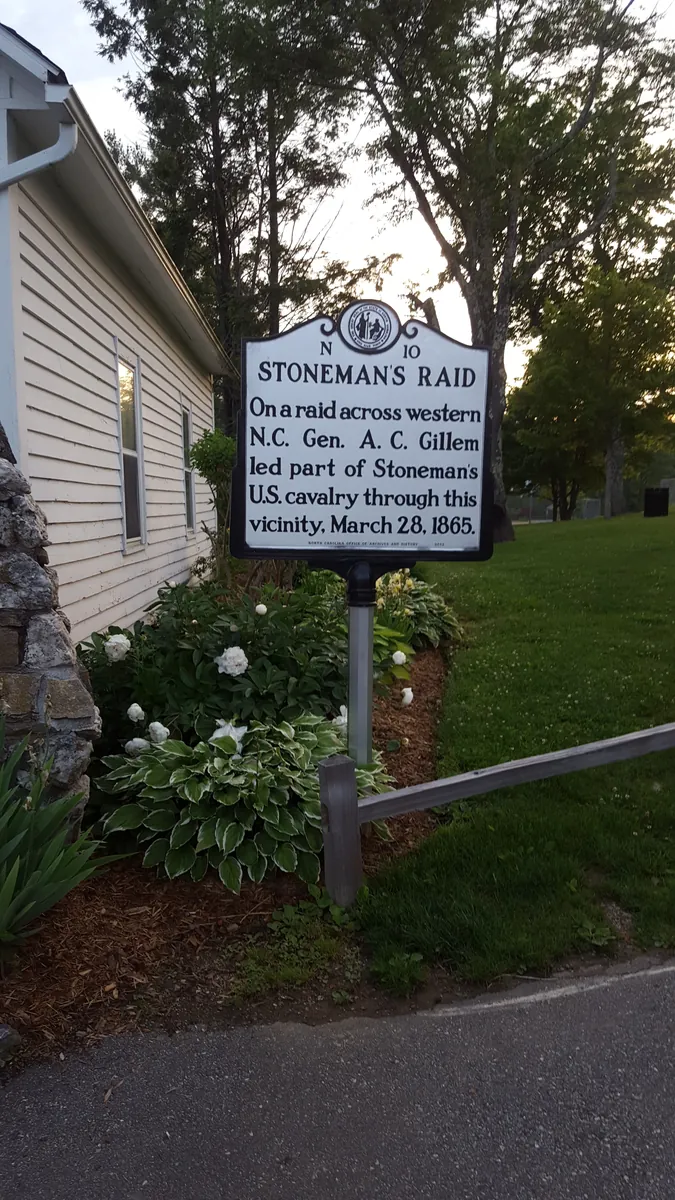
The site is marked now, north of downtown. Asheville survived the war mostly intact, which is why so much of the 19th-century city is still standing. The battle that didn't happen — the one Kirby walked away from — is part of that story.
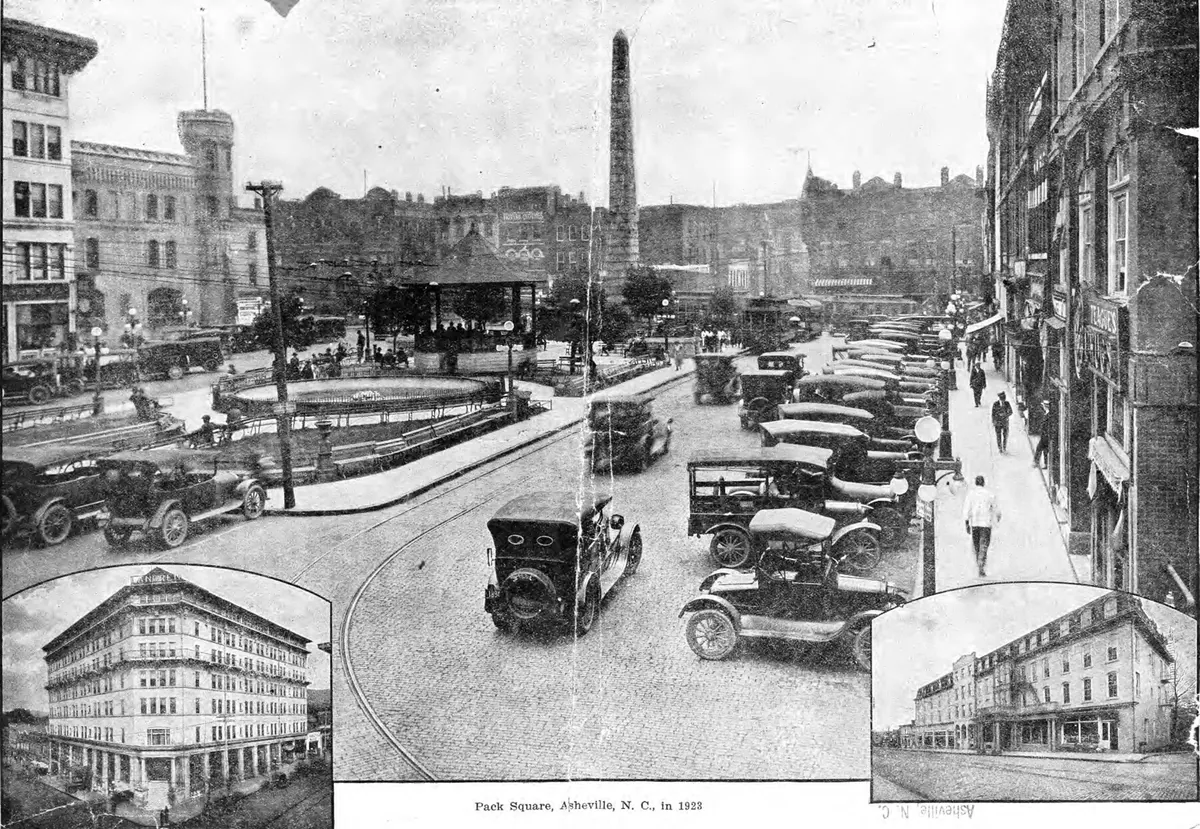
- ·Marker at approximate site. Confederate Hospital was at present-day 1 Pack Square (Biltmore Building). Asheville Armory produced Enfield rifles for the Confederacy until 1863.
More archive
Memories
Editorial content compiled with AI assistance. Place details verified against public records.