Frederick Law Olmsted, the landscape architect who shaped Biltmore Estate, wished in 1898 to create an arboretum there. The idea stretched forward nearly a century. In 1986 the General Assembly established today's arboretum as a facility of the University of North Carolina; in 1989 the site was officially designated the North Carolina Arboretum. It sits within the Bent Creek Experimental Forest of Pisgah National Forest, southwest of Asheville near the Blue Ridge Parkway. The 434-acre grounds hold cultivated gardens and hiking and biking trails still under active development.
George and Mrs. Staples of Butner donated a large number of bonsai plants and containers in 1992, establishing the collection. Curator Arthur Joura maintains approximately 100 display specimens — Japanese maple, Chinese elm, willow leaf fig, bald cypress, limber pine. The work draws on traditional Asian roots and features of a contemporary Appalachian garden.
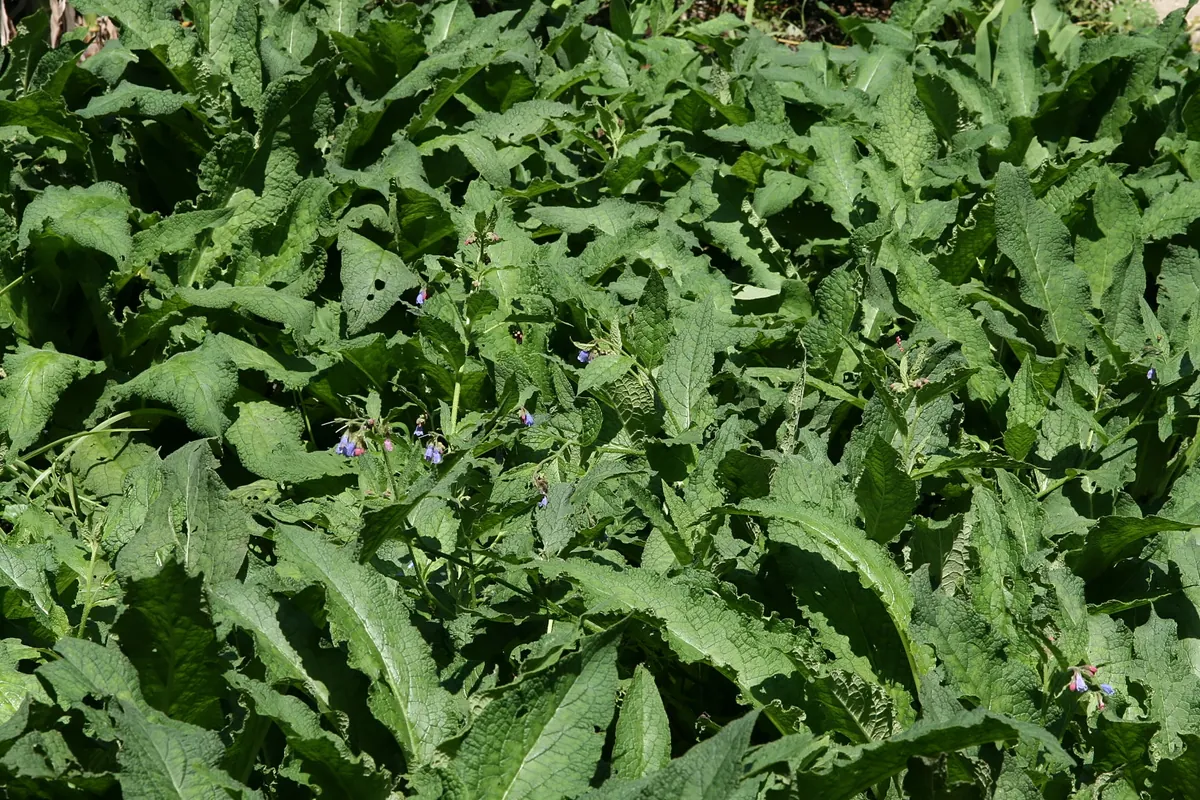
The National Native Azalea Repository holds almost every azalea species native to the United States, a streamside garden that is part of the North American Plant Collections Consortium. The Heritage Garden demonstrates plants used in traditional Western North Carolina crafts — dye-making, basketry, paper-making, broom-making. The Blue Ridge Quilt Garden is a parterre reflecting quilt designs of the mountains. A stand of Metasequoias planted in 1950 is said to be the tallest in the South, over 100 feet in height.
The arboretum is open daily except Christmas. No admission charge; parking fees apply.
- ·100 Frederick Law Olmsted Way. Initial bonsai collection donated 1992 by George Staples of Butner. National Native Azalea Collection, Heritage Garden.
Memories
Editorial content compiled with AI assistance. Place details verified against public records.