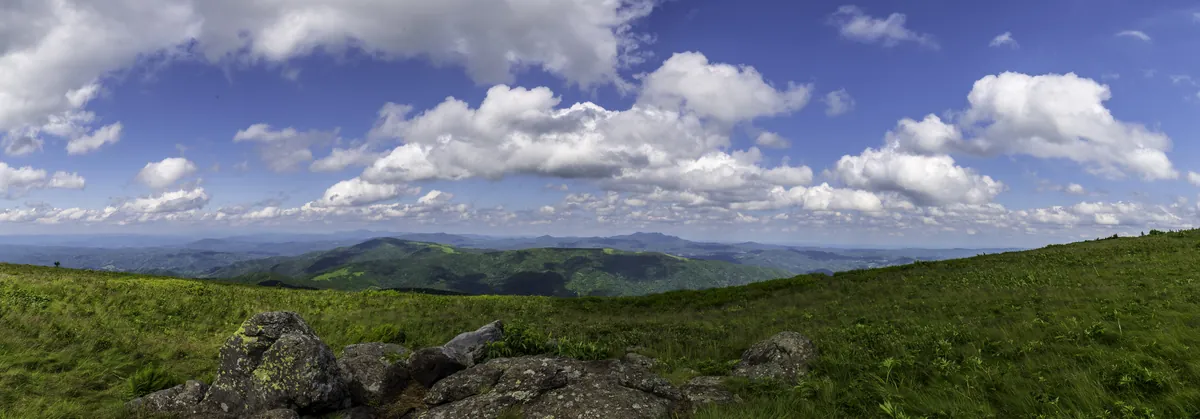
Top picks in Bristol
The places most worth your time here.
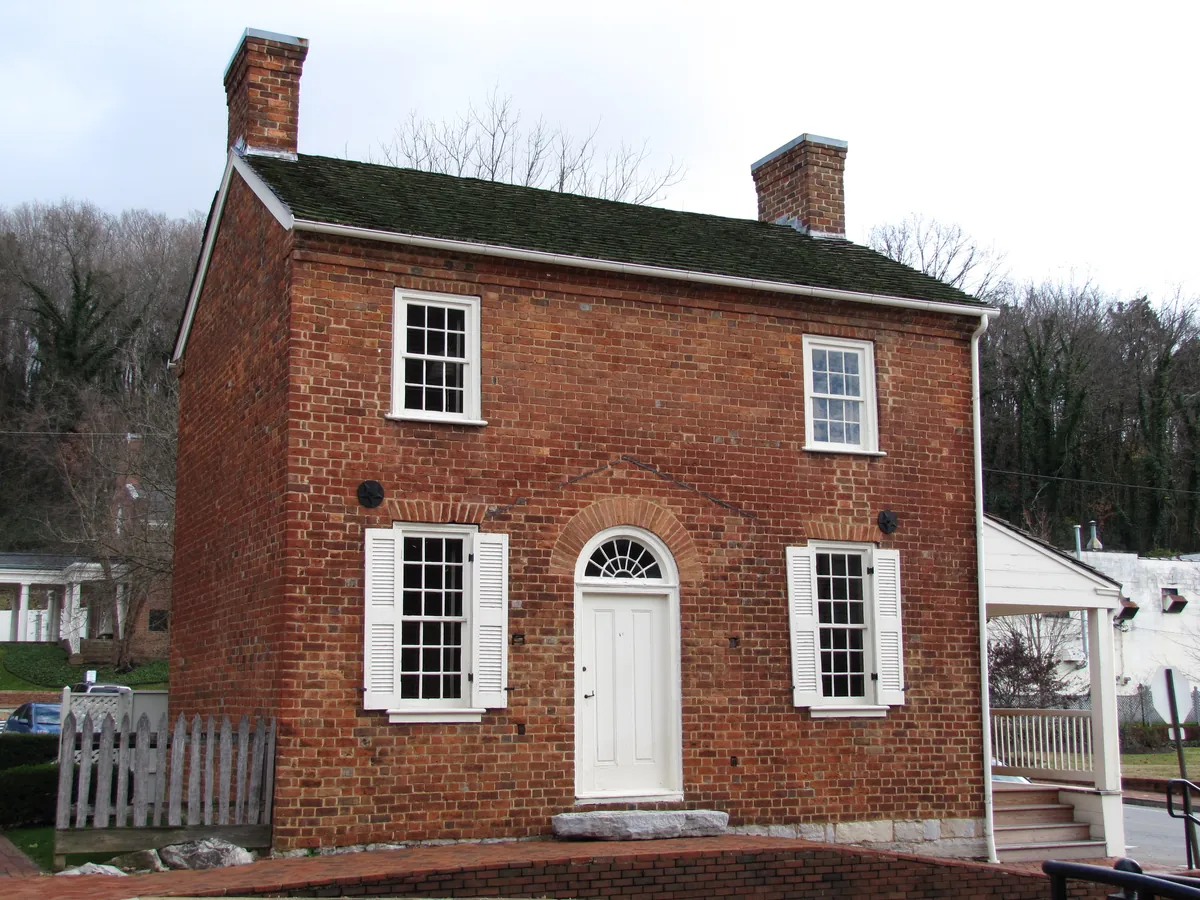
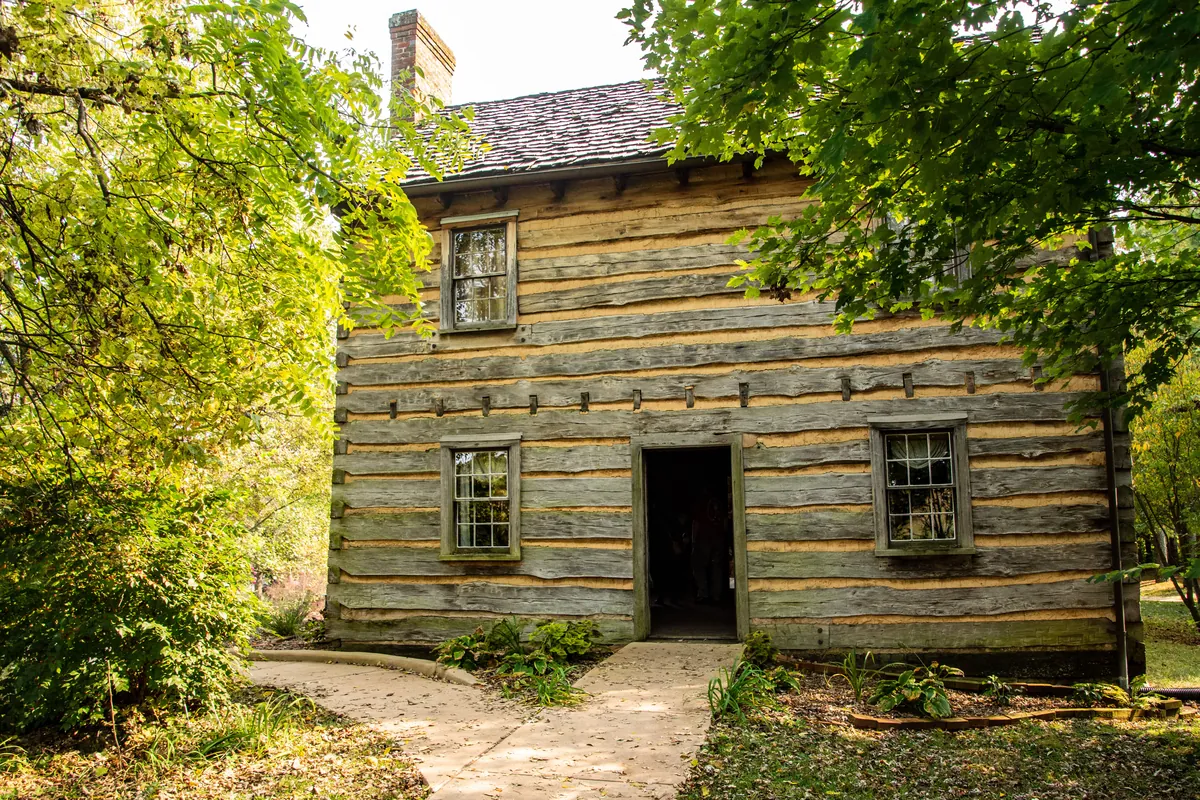
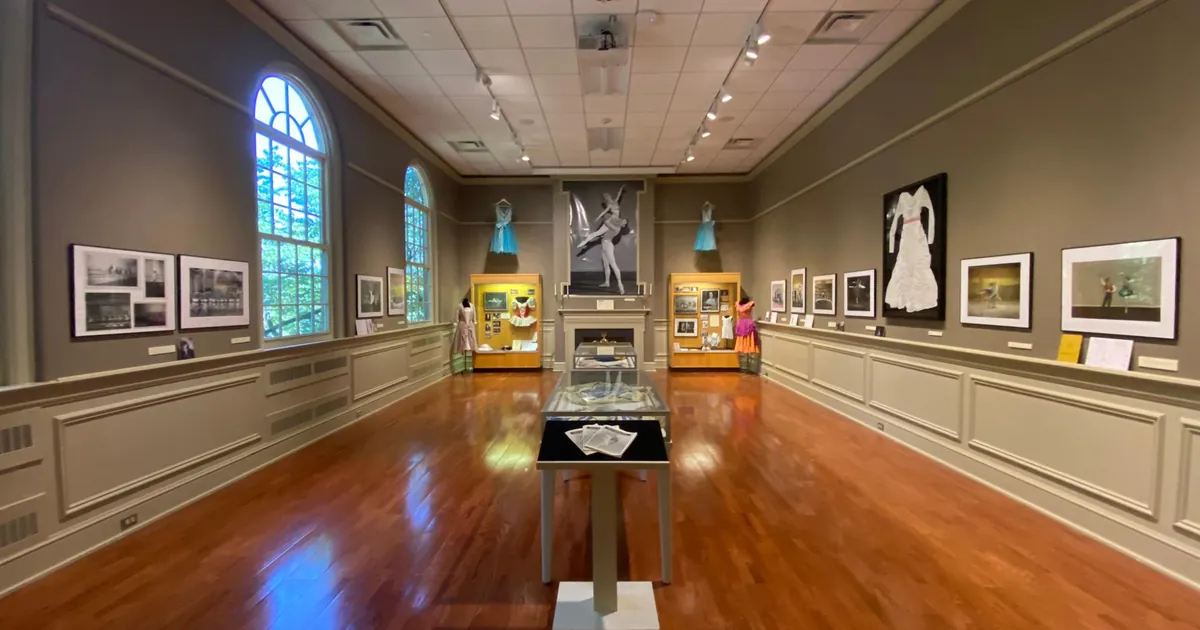
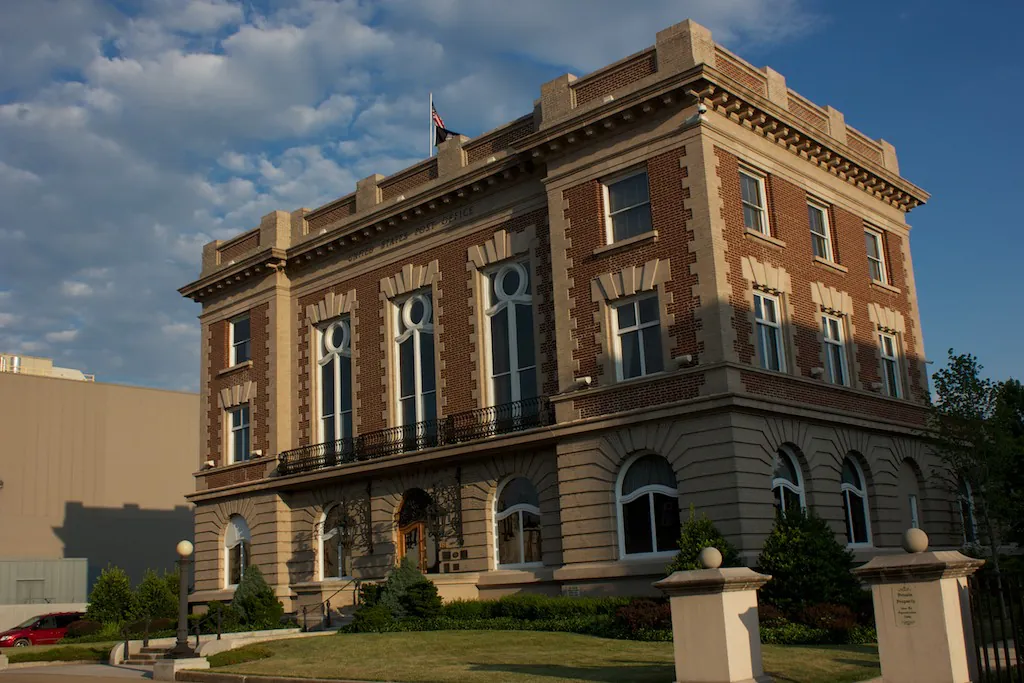
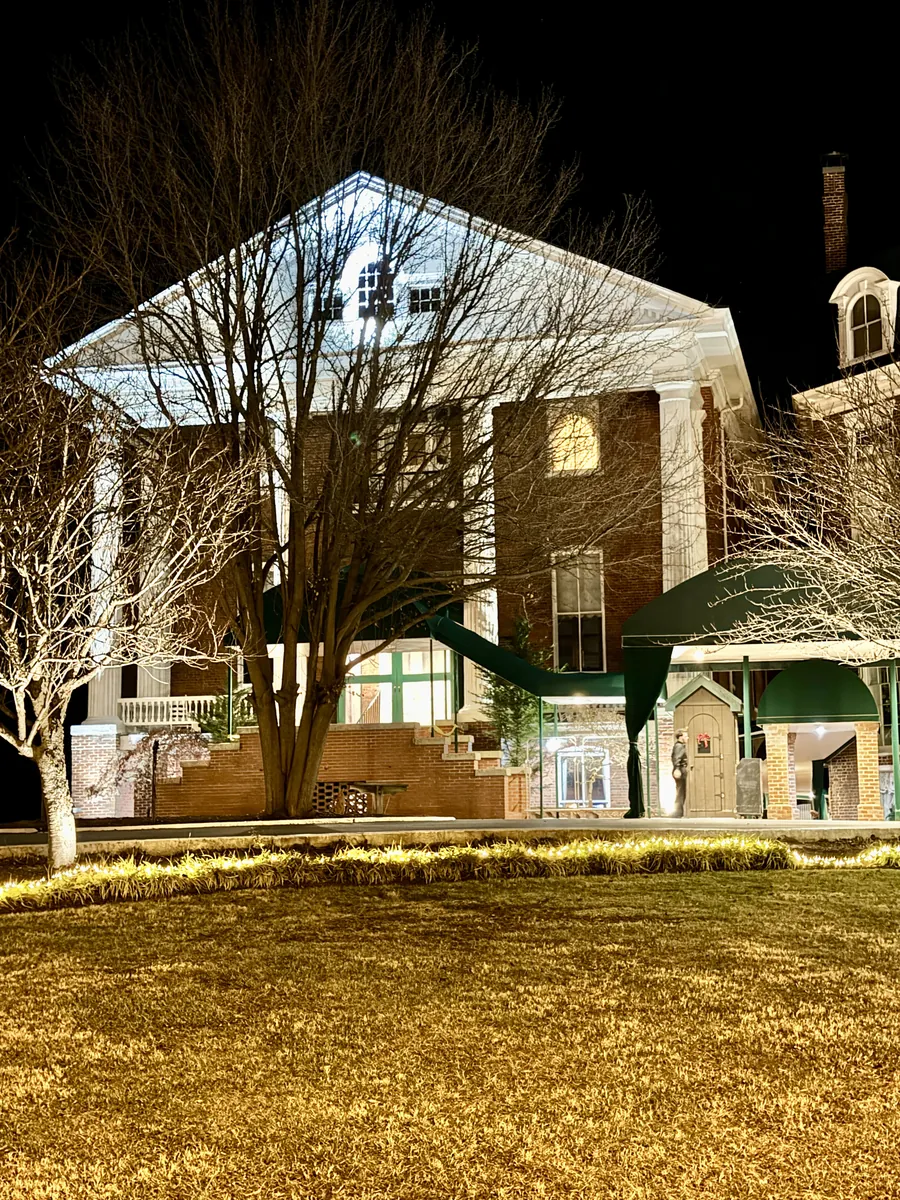
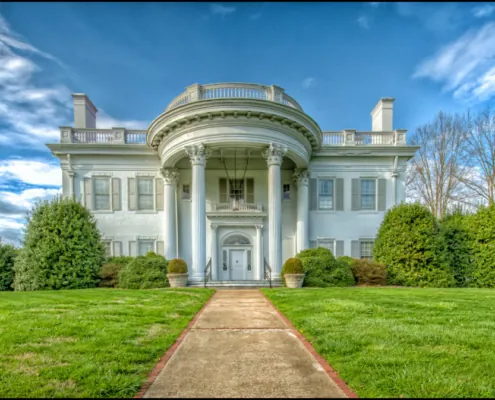
Connect your Cour circle to see which places friends and family recommend here.
Connect Cour →Landmarks
46 places worth the detour
tap the eye to open · swipe or use buttons to browse
The state line runs down the middle of State Street. That is not a metaphor — it is the actual condition of the place. Bristol, Virginia sits at the southwestern corner of the commonwealth, pressed…
Read the full storyReading
In Poor Valley at the foot of Clinch Mountain, the Carter Family Fold traces its founding to 1974, when Janette Carter — daughter of A.P. Carter — began hosting music gatherings to honor a promise to her father to keep traditional Appalachian old-time music alive. The dedicated building opened to the public in 1979, seating more than 800. Every Saturday evening from February through November, the no-electric-instruments rule holds — a deliberate preservation practice, keeping the stage clear of the amplified Nashville sound; per Wikipedia, the rule was often set aside for Johnny Cash, a Carter family in-law. Alongside this living tradition, ETSU's Reece Museum holds roughly 22,000 artifacts of Appalachian regional history, and its Archives of Appalachia carries nearly 400 audio and video recordings — folk music, religious worship, oral histories — documenting what this region built and passed down before anyone thought to call it preservation.
Washington County was carved from Fincastle County in 1776 and named for George Washington while he was still commanding the Continental Army — an act of conviction before the outcome was settled. Abingdon became its county seat and has held that role ever since, its brick Federal and antebellum buildings lining the Great Valley Road in what the historic register calls the best-preserved of the linear communities that grew along that corridor. Three Virginia governors lived here. The courthouse is still on the National Register. A building that opened as the Abingdon Male Academy in 1803 now houses the William King Museum of Art. In 1933, someone founded Barter Theatre on the logic that Depression-era audiences could pay admission with produce; it became the nation's longest-running equity theatre and the State Theatre of Virginia. What Abingdon built — governmental, cultural, institutional — simply kept going.
Kingsport, Tennessee, sits about twenty miles from Bristol, and in 1917 it was re-chartered with a specific ambition: to be built right. City planner John Nolen organized it into deliberate districts — commerce, churches, housing, industry — and laid in some of the earliest traffic circles in the United States. The result was one of the early American examples of a planned garden city, a place where the relationship between work and daily life was designed before the first shovel turned. That downtown grid still stands, listed on the National Register of Historic Places. For a traveler moving through the Appalachian highlands, Kingsport is a useful counterpoint to the organic, accidental growth of most American cities — proof that someone, once, tried to think the whole thing through before it got away from them.
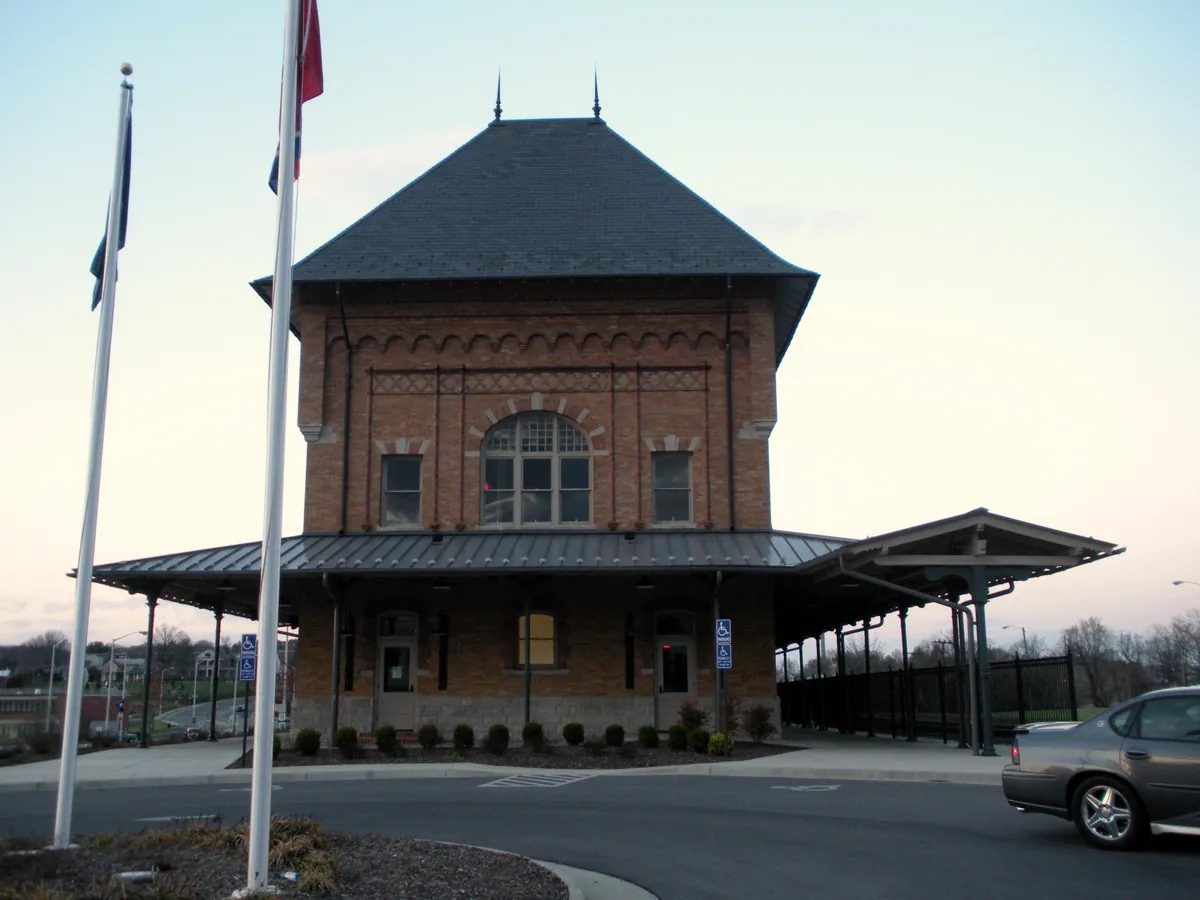
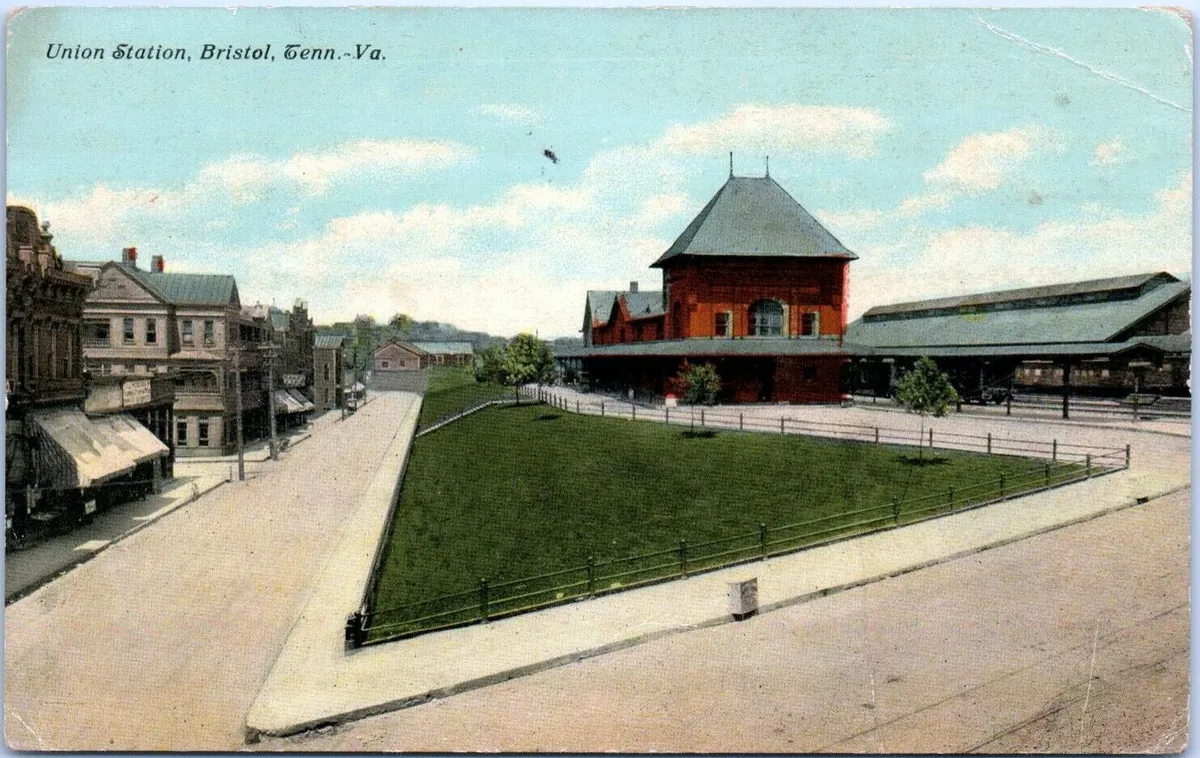
Rail reached Bristol in 1856 — the same year both the Tennessee and Virginia sides of town incorporated, which tells you everything about how the iron horse and the city arrived together. Before that, this had been a frontier crossing: Evan Shelby's fort at Sapling Grove in 1774, a way station for pioneers pushing west, the kind of place Daniel Boone and George Rogers Clark passed through on their way to somewhere else. The railroad changed that equation. By 1902, the Norfolk and Western had built a proper station — brick, Romanesque arches, $79,000 worth of permanence — signaling that Bristol was no longer a passage but a destination. Passenger trains stopped in 1971. The station still stands, listed on the National Register since 1980, freight still rolling past its windows. The foundation that runs it is waiting for passenger rail to return, which is another way of saying the city hasn't finished the argument the railroad started.
In September 1780, patriot militia gathered at Sycamore Shoals on the Watauga River, then marched over the Blue Ridge Mountains and defeated the British at the Battle of Kings Mountain — a victory the record calls critical for the Patriot cause. The route they walked passed through what is now four states, and 200 years later that corridor was designated the Overmountain Victory National Historic Trail, the first National Historic Trail in the eastern United States. The Great Cherokee War and Trading Path had already been moving people through this same corner of Tennessee long before any of that, and the Great Stage Road carried travelers — Andrew Jackson among them — through Kingsport well into the next century. This region didn't become significant because roads were built here. Roads were built here because the land already demanded movement, and the people who came through left enough behind to make it worth retracing.
The state line between Virginia and Tennessee doesn't run behind Bristol — it runs through it, down the center of State Street, splitting the asphalt into two jurisdictions that share one downtown. The Historic State Street District covers about 23 acres and 106 buildings, roughly 80 percent of them contributing masonry structures dating from around 1890 to 1952, listed on the National Register of Historic Places in 2003. A landmark bridge marking the border went up in 1910 and earned its own National Register listing in 1988. That same year, Bristol Gas and Electric erected a sign on that seam to advertise the city; its original slogan was PUSH! — THAT'S BRISTOL. A 1921 contest replaced it with A GOOD PLACE TO LIVE, lit by 1,332 bulbs, and nobody has changed it since. Two governments, one street, one sign — the division is the point.
In 1927, a record producer set up equipment in a historic building on State Street — the road that is itself the Tennessee-Virginia state line — and recorded 76 songs by 19 artists over a matter of days. Those sessions, including the commercial debuts of Jimmie Rodgers and the Carter Family, are what Congress recognized in 1998 as the birthplace of country music. The Carter Family themselves came from Hiltons, Virginia, thirty-five minutes out, where a daughter of A.P. and Sara Carter later established the Carter Fold — a rustic shed running weekly traditional music nights, the stage where Johnny Cash gave his final public performance. Back in Bristol, a Smithsonian-affiliated museum now holds the full story, and each year a three-day festival draws tens of thousands to the same downtown street where the recording happened. The state line still cuts down the middle of the asphalt. The music came from both sides.
Tickets & Shows
Before you go
Set on State Street in 1927, where country music was born. Walk those same blocks knowing what was recorded there.
Twelve days in 1927 on State Street gave country music its commercial birth. Watch it before you walk that line.
Plan your trip
The only thing left to do is go.
Some of these are partner links — if you book through them, Portage may earn a commission at no extra cost to you.
Editorial content compiled with AI assistance. Place details verified against public records.