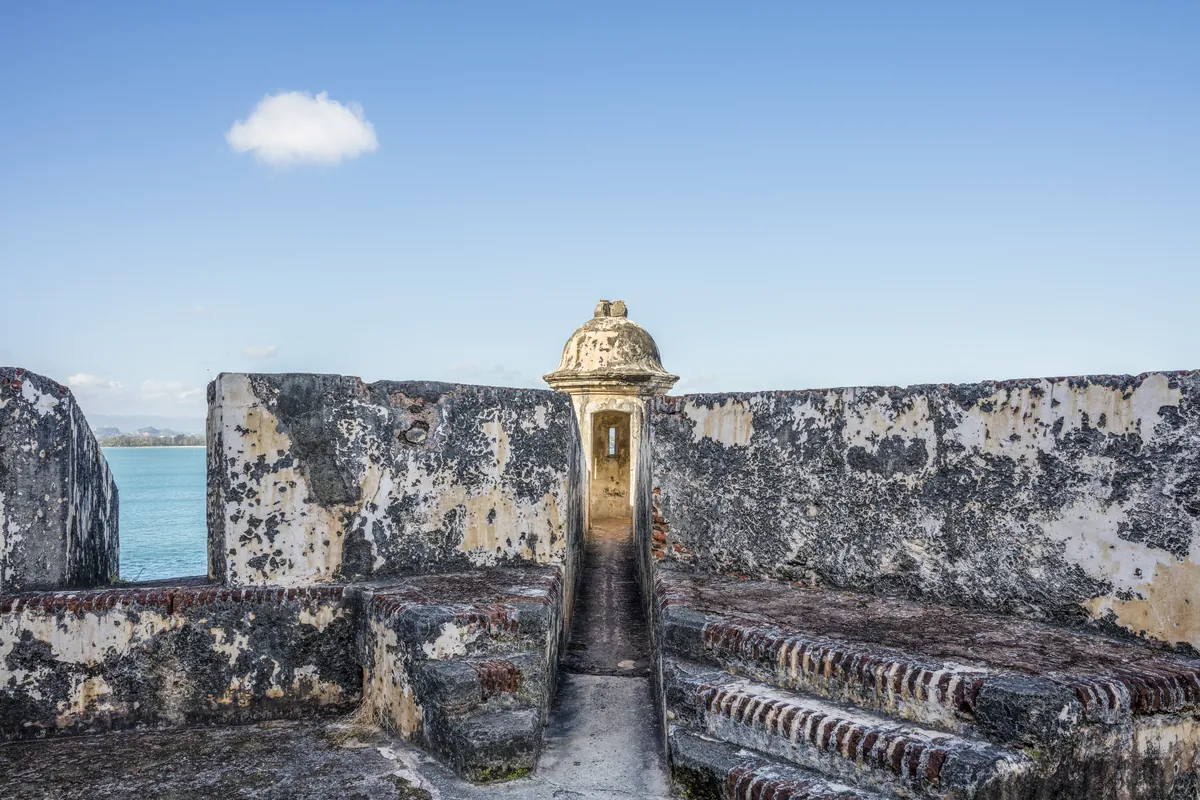
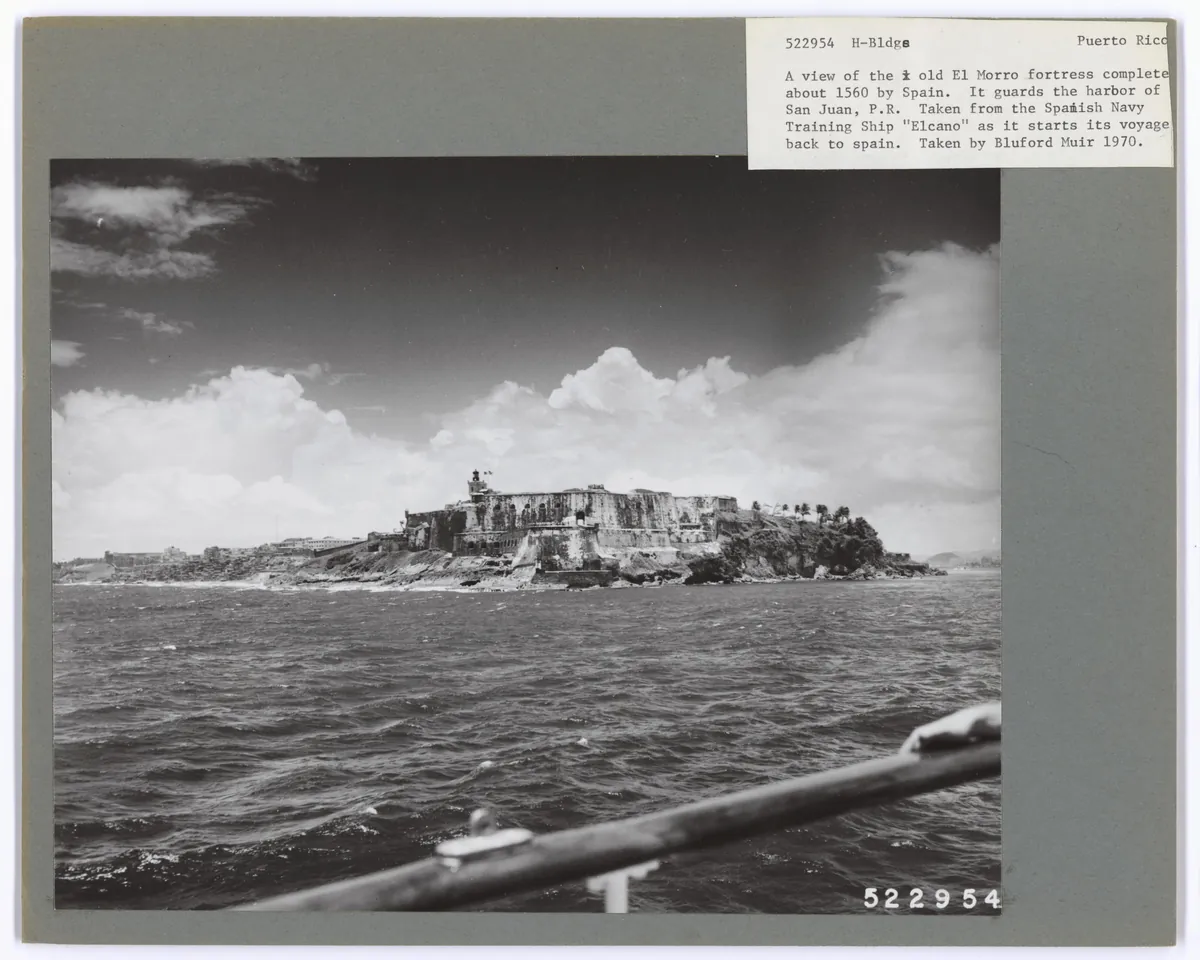
Six levels of limestone and sandstone rising 140 feet above the Atlantic — El Morro took more than two centuries to become what it is, commissioned by the Spanish Crown in 1539 and shaped by wars it survived and one it briefly lost. Sir Francis Drake attacked by sea and failed. The English came back overland and took it, only to be driven out by dysentery. The Dutch besieged it, couldn't break it, and burned the city on their way out. By the time two Irish-born engineers — Field Marshal Alexander O'Reilly and Colonel Thomas O'Daly — finished their renovations in the late 18th century, El Morro had earned its reputation as unconquerable from the sea.
The Spanish-American War ended that era in 1898. Puerto Rico passed to the United States, and the fort passed to the Army, then eventually to the National Park Service. It was declared a UNESCO World Heritage Site in 1983. Over two million visitors come annually — families from the island, history travelers from everywhere else. The esplanade out front, restored in 1992 to its colonial open-field appearance, is where Puerto Rican children have flown kites for generations. That's not a side note. That's the whole point.
Memories
Editorial content compiled with AI assistance. Place details verified against public records.