Top picks in Bend & the Oregon Cascades
The places most worth your time here.
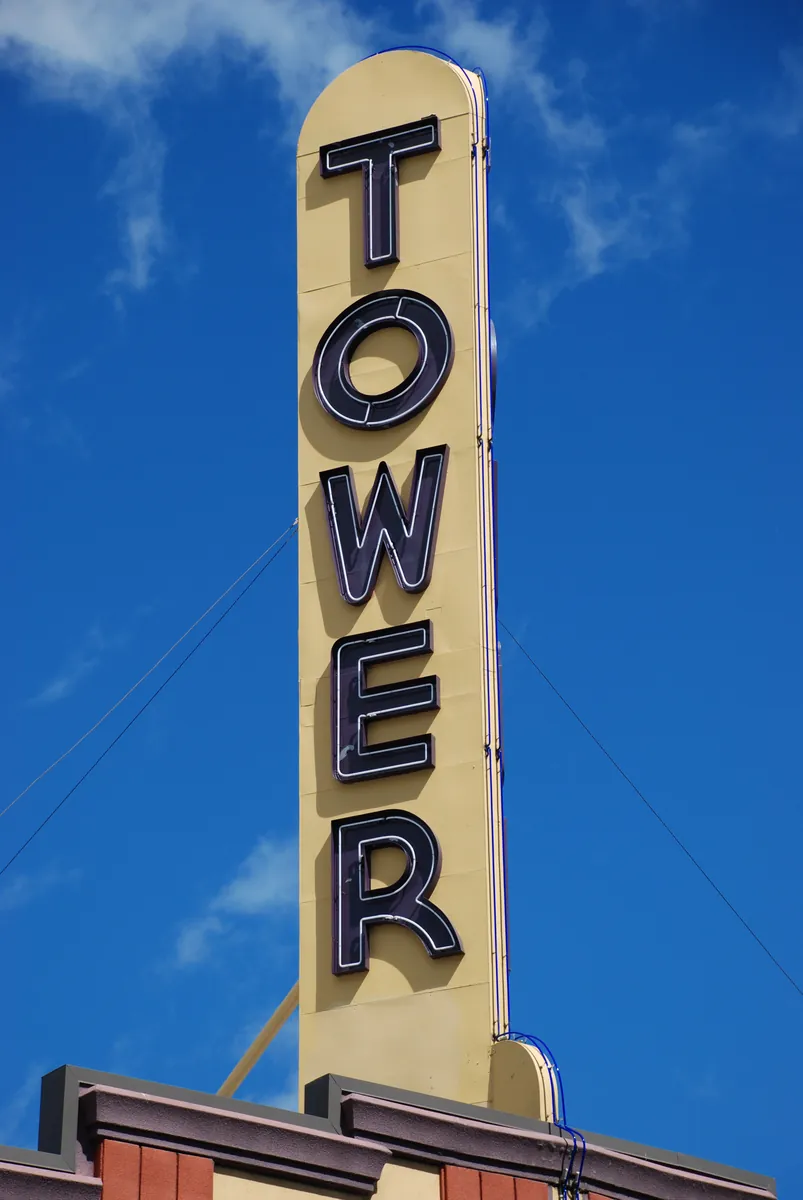
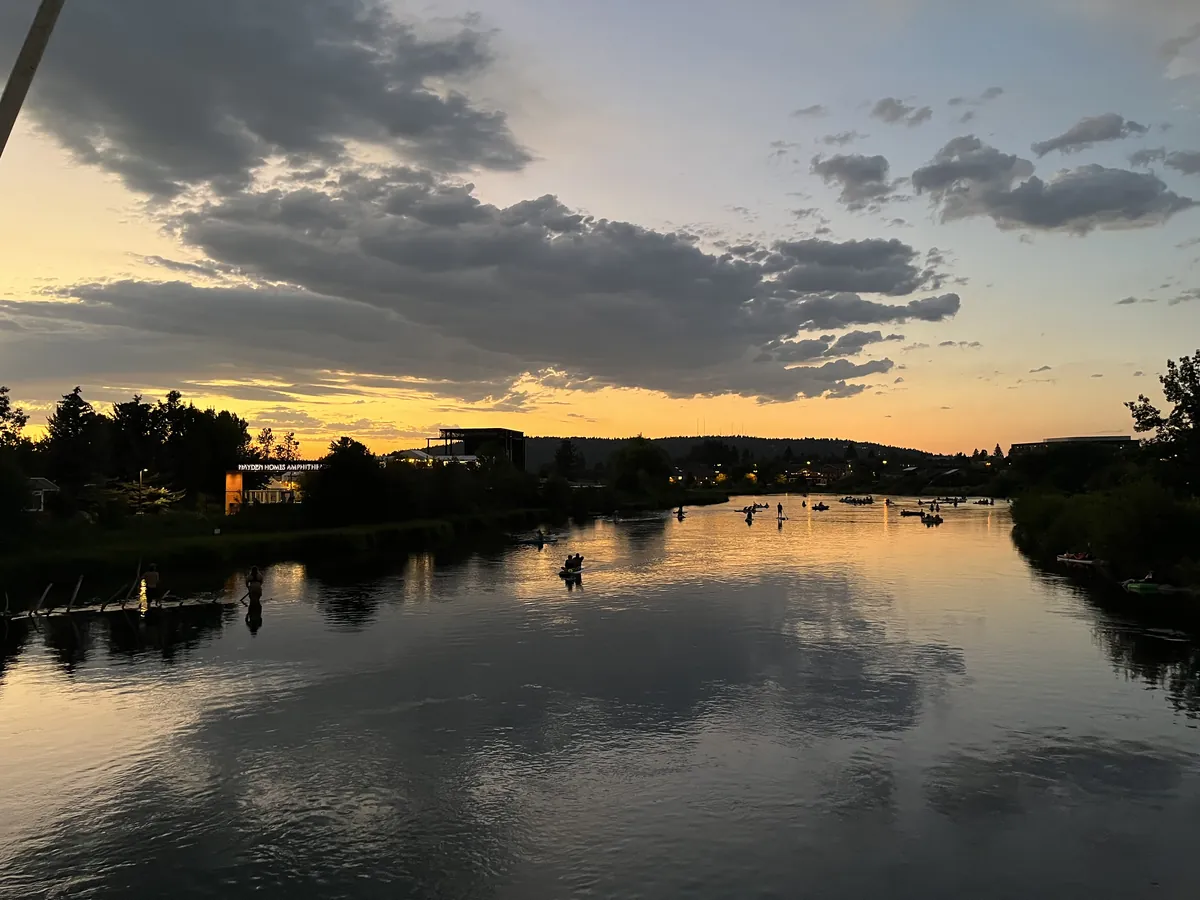
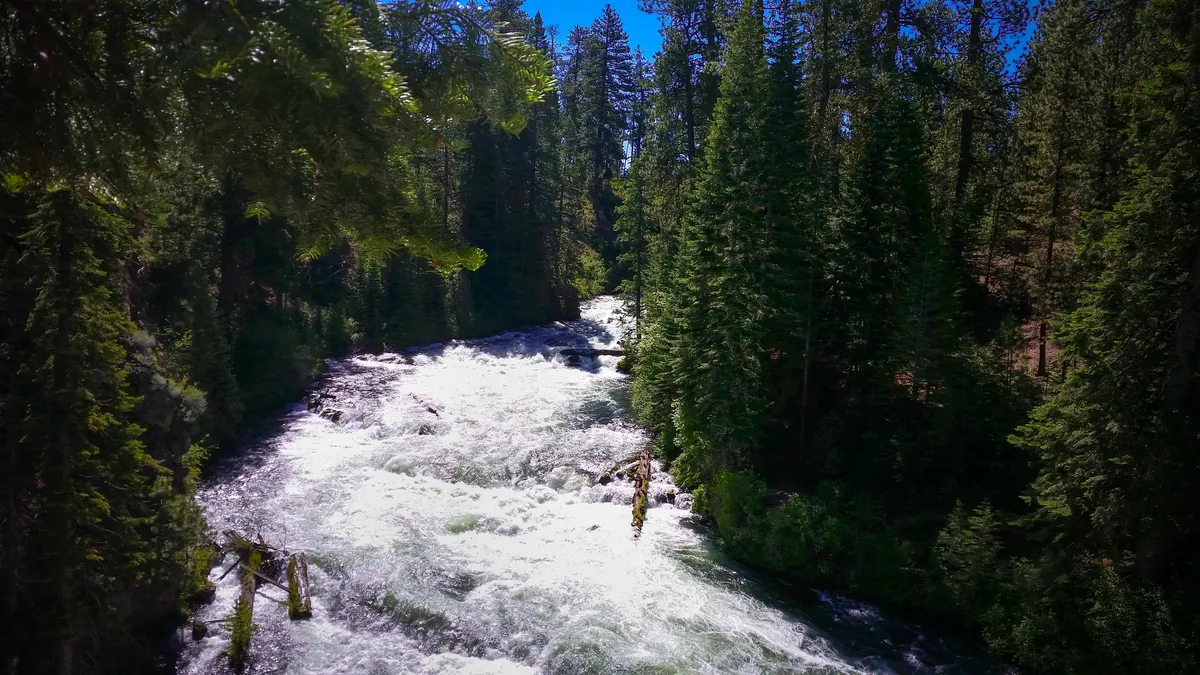
Connect your Cour circle to see which places friends and family recommend here.
Connect Cour →Landmarks
53 places worth the detour
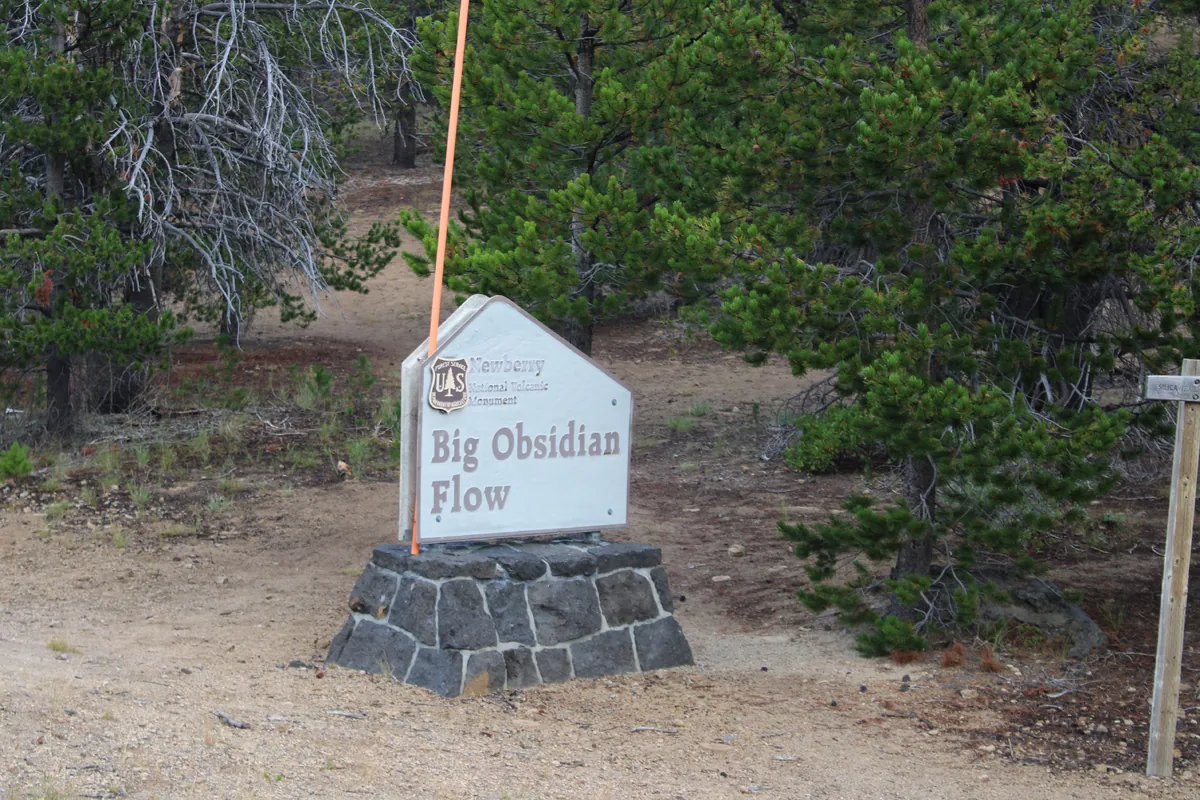
tap the eye to open · swipe or use buttons to browse
Bend sits on the east side of the Cascades at 3,623 feet, where the high desert begins and the ponderosa pine gives way to sagebrush. The Deschutes River cuts through it, running through a double…
Read the full storyReading
Sixteen months. That's how long Camp Abbot existed — 5,500 acres carved out of the high desert along the Deschutes River south of Bend, active from late 1942 until June 1944. In that window, over 90,000 soldiers cycled through 17-week courses in rifle marksmanship, demolition, and bridge construction under simulated combat conditions. North of the camp, the Army Air Forces ran bombers out of Roberts Field in Redmond — a base the federal government later sold to the city for one dollar. Almost nothing remains of either installation in the form it held then. The officers' mess at Camp Abbot, built from native logs and stones, still stands as the Great Hall at what is now Sunriver Resort. Roberts Field became the region's commercial airport, rebuilt into a passenger terminal by 1950. The war passed through Central Oregon fast, and left its infrastructure behind.
For nearly 12,000 years, Native American tribes hunted and fished along the Deschutes River before a single settler staked a claim in Central Oregon. The volcanic glass at Obsidian Cliffs in the Three Sisters Wilderness tells the longer story: tribes mined it here for centuries, and samples have turned up as far as the eastern United States — a trade network measured in thousands of miles, carved from a sharp edge of local stone. The Northern Paiute knew the deep canyon at what is now Cove Palisades as *udɨ huudɨ*. When Mount Mazama collapsed 7,700 years ago, Native Americans witnessed it and kept it alive in legend. Three tribes — the Warm Springs, Wasco, and Paiute peoples — hold that history today at the Museum at Warm Springs on the Warm Springs Reservation, just off Highway 26.
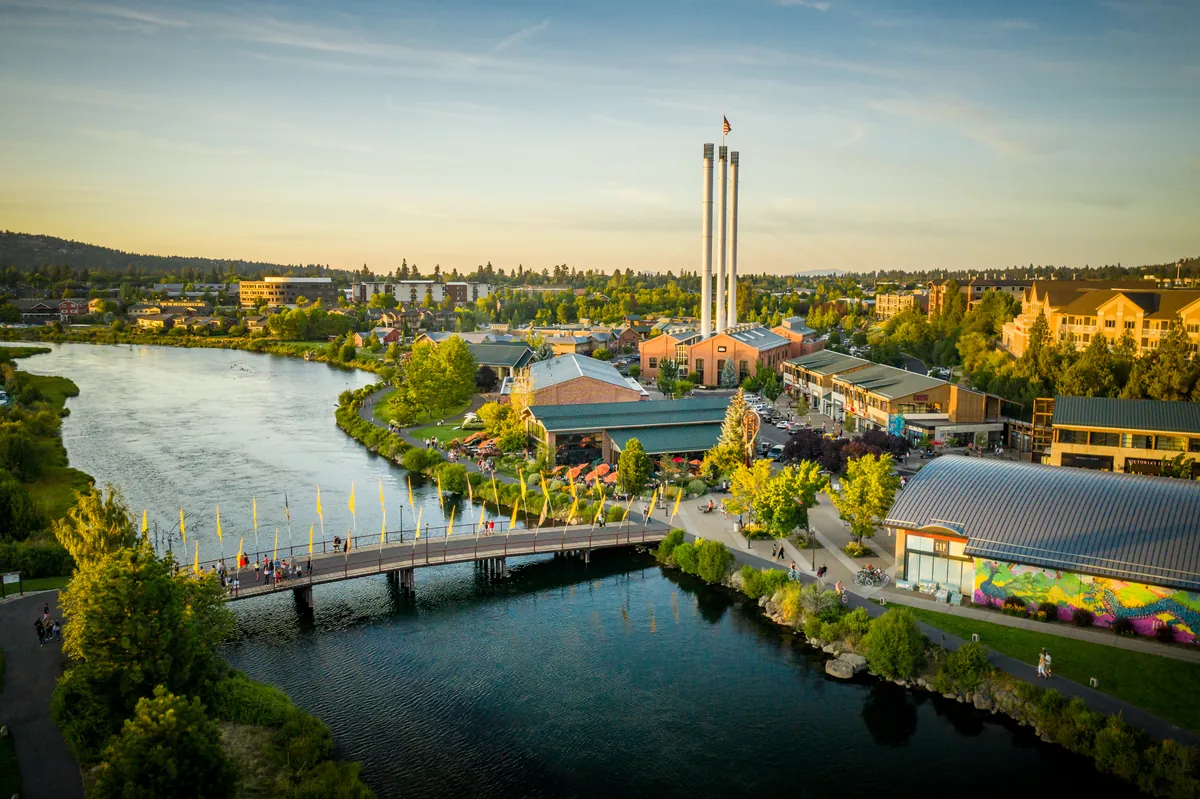
By 1916, two sawmills had opened on opposite banks of the Deschutes River — Shevlin-Hixon on the west, Brooks-Scanlon on the east — and at their peak each employed more than 2,000 workers, turning out more than 500 million board feet of lumber a year. By 1950, the forests were depleted and the mills were finished. Developer Bill Smith purchased the land in 1993, preserved the three signature smokestacks and nine original buildings, and restored 14,000 lineal feet of riverbank that had been closed to the public for close to 80 years. That reclaimed ground is now the Old Mill District. Meanwhile, the Bend Skyliners Mountaineering Club had been fundraising since the 1950s to build a ski area on Mt. Bachelor, which opened in 1958. The timber town had remade itself around the mountains and the river it once used only for industry.
Six thousand years ago, Lava Butte erupted and rerouted the Deschutes River — and everything downstream followed from that fact. The river cut through high desert shaped by forty million years of Cascade volcanism, sustaining Native American tribes who hunted and fished its banks for nearly twelve thousand years before European fur traders arrived in the early nineteenth century. Settlers came after, then sawmills in 1901 and 1903, then a railroad race that ran parallel tracks up the river canyon to reach the young town named for a bend in this same water. The mills closed by 1950 when the forests gave out. What remained was the river itself: still running through Drake Park, still dropping hard through Benham Falls, still bending visibly at the curve that gave Bend its name. The city has been rebuilt around that fact more than once. It keeps working.
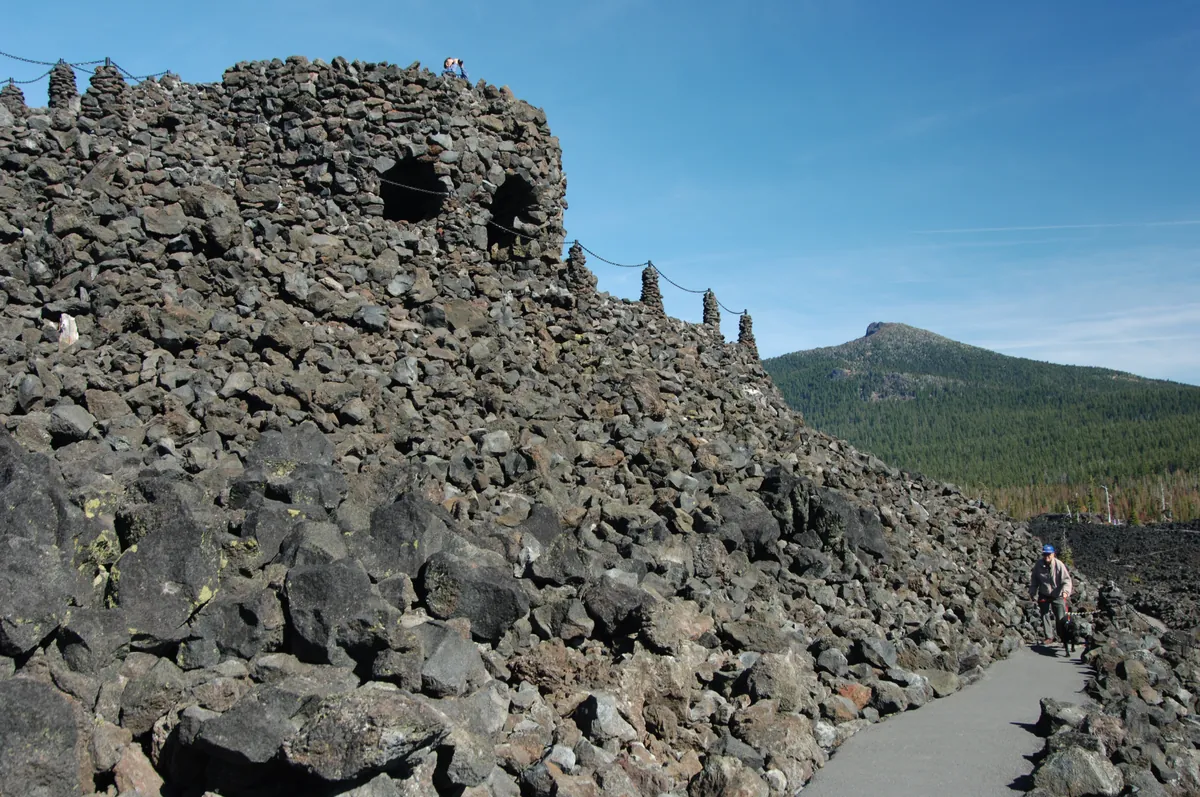
Forty million years ago, the Cascades began pulling themselves out of the earth, and they haven't stopped. The range that rose here created a rain shield that left everything to its east dry and open. Seven thousand years ago, a single eruption buried the Deschutes River under more than a hundred feet of basalt and left behind Lava Butte's cinder cone, still largely bare. Eighty thousand years ago, a lava river drained its own tunnel and left a mile-long corridor underground, holding at 42 degrees to this day. Thirteen hundred years ago, obsidian poured liquid from a magma chamber two to four miles down — the youngest lava flow in Oregon, and the same material Native Americans had already been working into tools for generations. This landscape wasn't backdrop. It was instruction. The river, the cave, the black glass underfoot — all of it still here, still legible, for anyone willing to read it.
Tickets & Shows
Before you go
Bend's actual streets, the Ochoco backcountry, and the golf-resort land grab — Percy grew up here and it shows.
Noir Western shot in the Cascade winter that made you feel the cold before you ever arrived — the landscape does the threatening.
Plan your trip
The only thing left to do is go.
Some of these are partner links — if you book through them, Portage may earn a commission at no extra cost to you.
Editorial content compiled with AI assistance. Place details verified against public records.