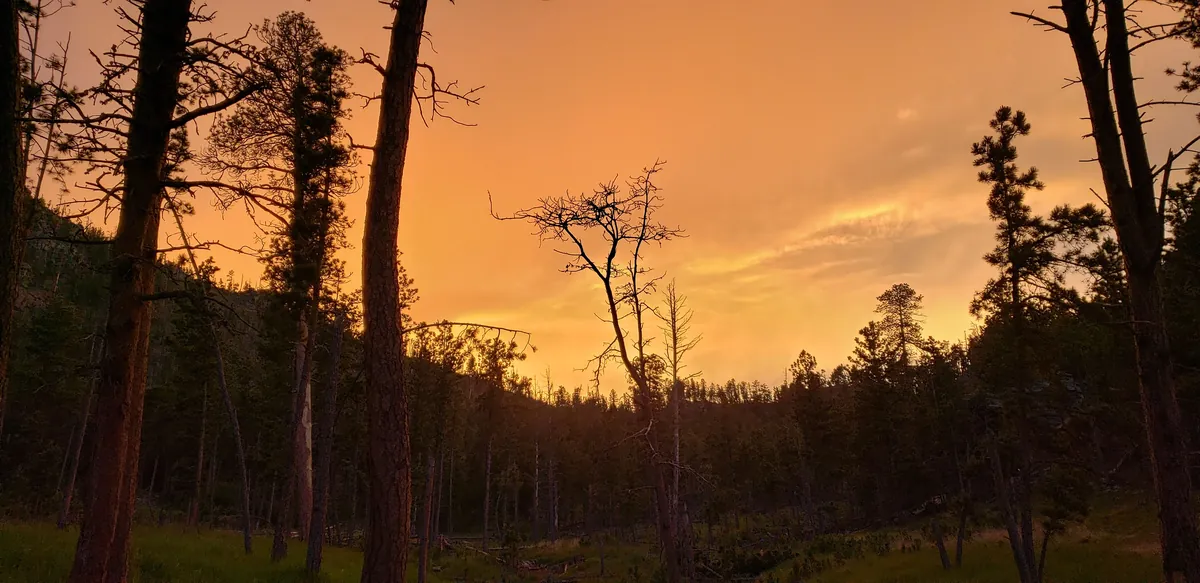
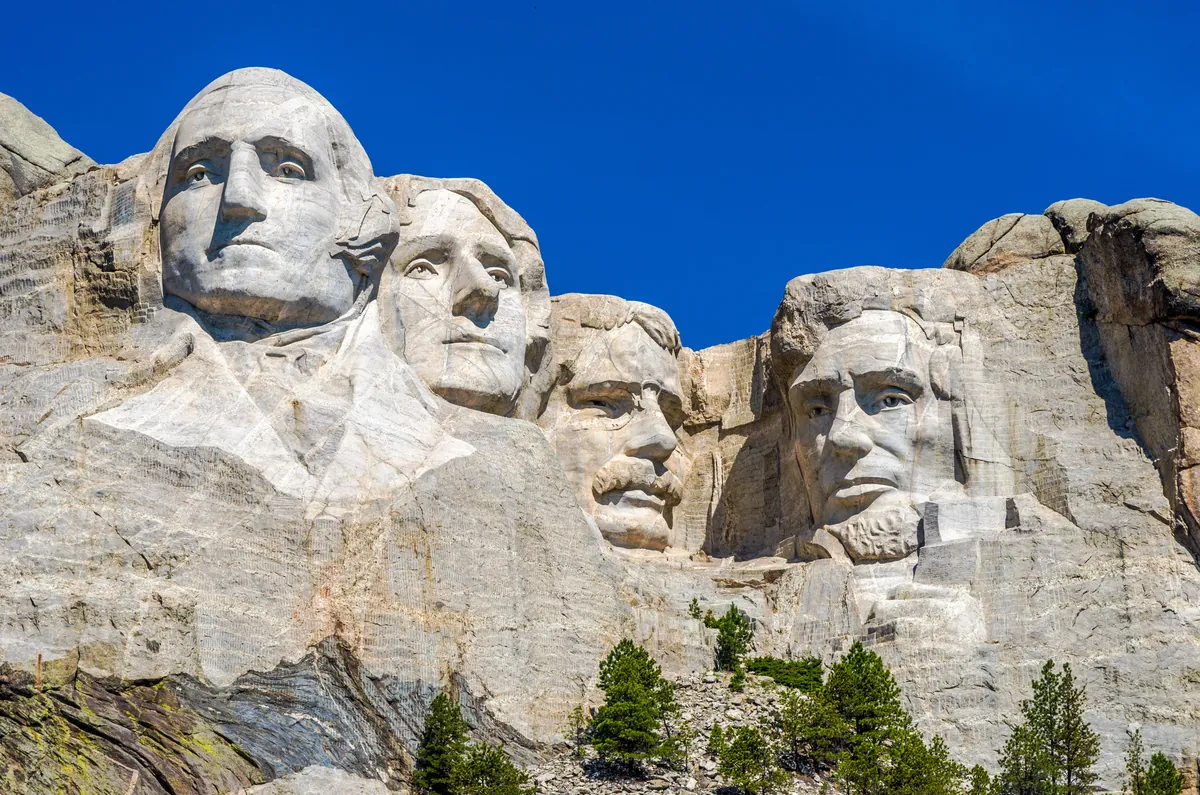
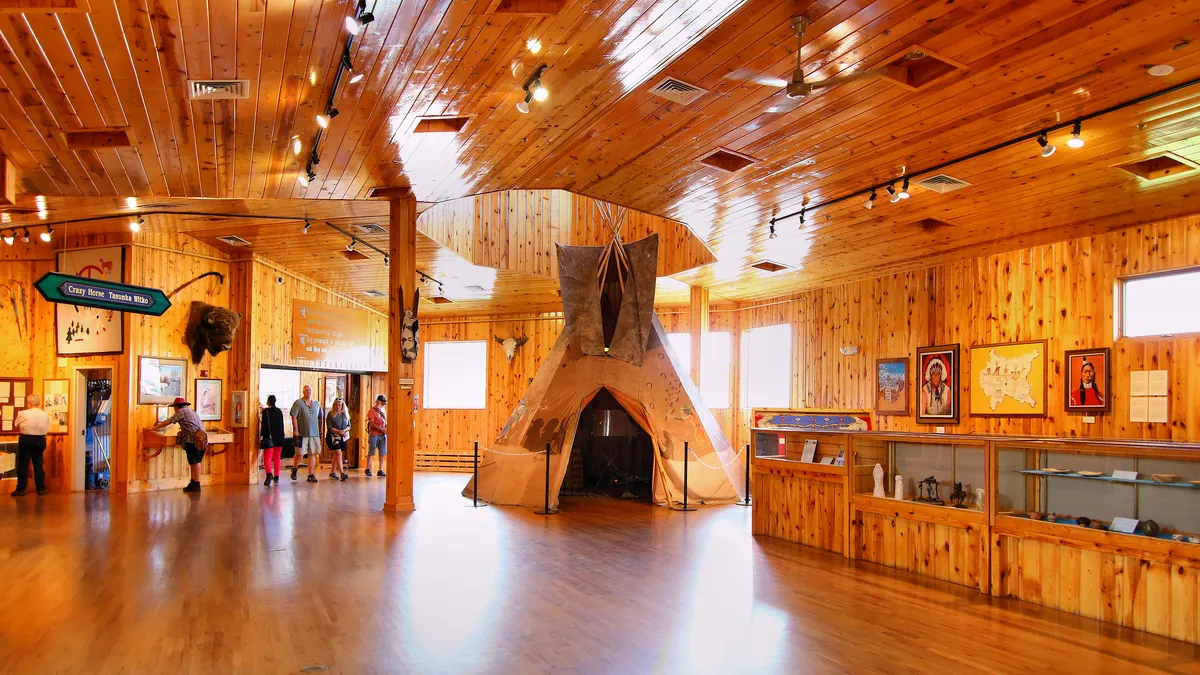
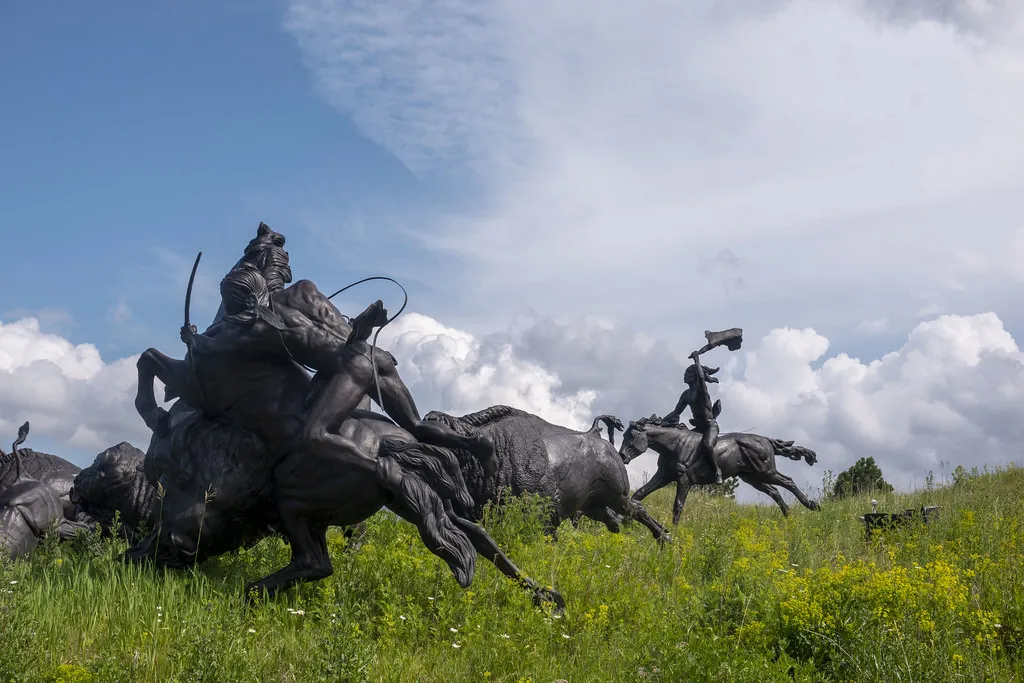
The Lakota called it Pahá Sápa — the Black Hills — and held it as the center of their culture. The 1868 Fort Laramie Treaty guaranteed it to them, exempting the land from non-indigenous settlement forever. Then George Armstrong Custer's 1874 expedition found gold, miners flooded in, and after the Great Sioux War of 1876 the U.S. government seized the Hills anyway, forcibly relocating the Lakota to five smaller reservations and selling off nine million acres of their former land. In 1980, the Supreme Court ruled the seizure unconstitutional and awarded $106 million in compensation. The Sioux Nation refused it. They want the land. That fund now sits at over $1.3 billion, uncollected — the most precise measure available of what this place still means, and what the Lakota have never agreed to surrender.