Top picks in The Black Hills
The places most worth your time here.
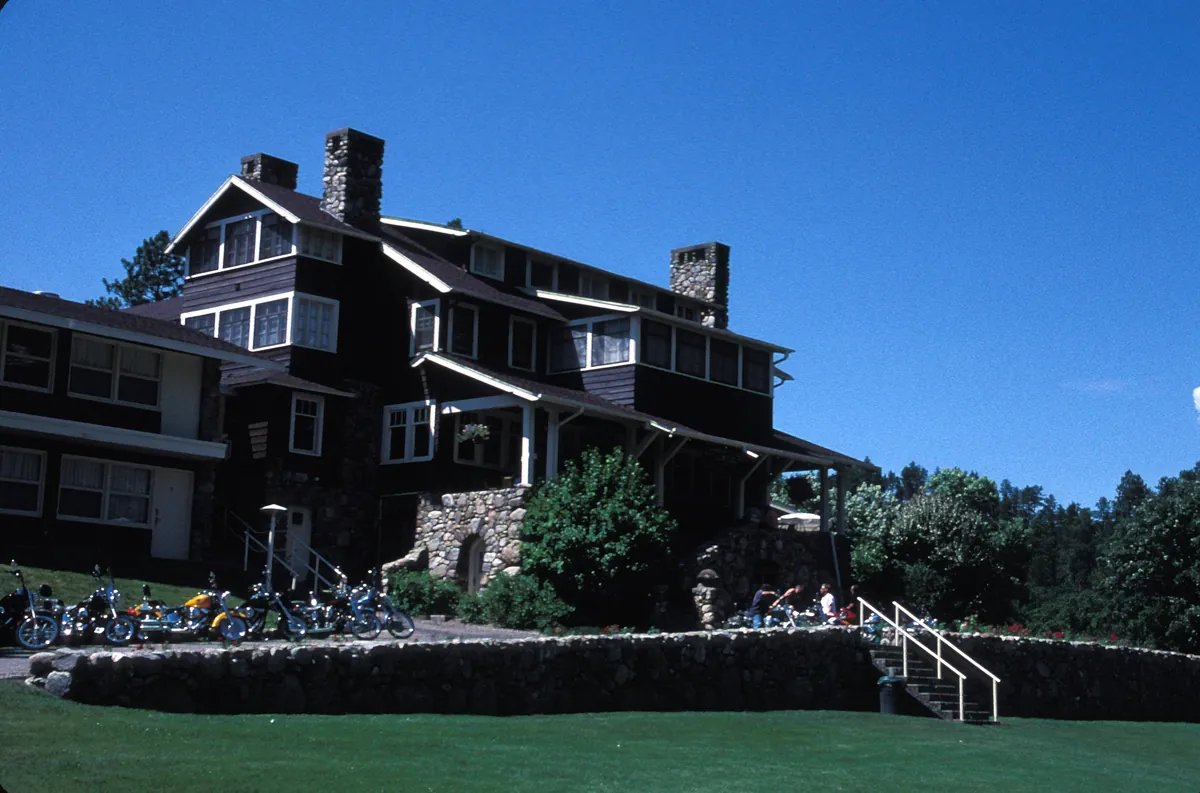
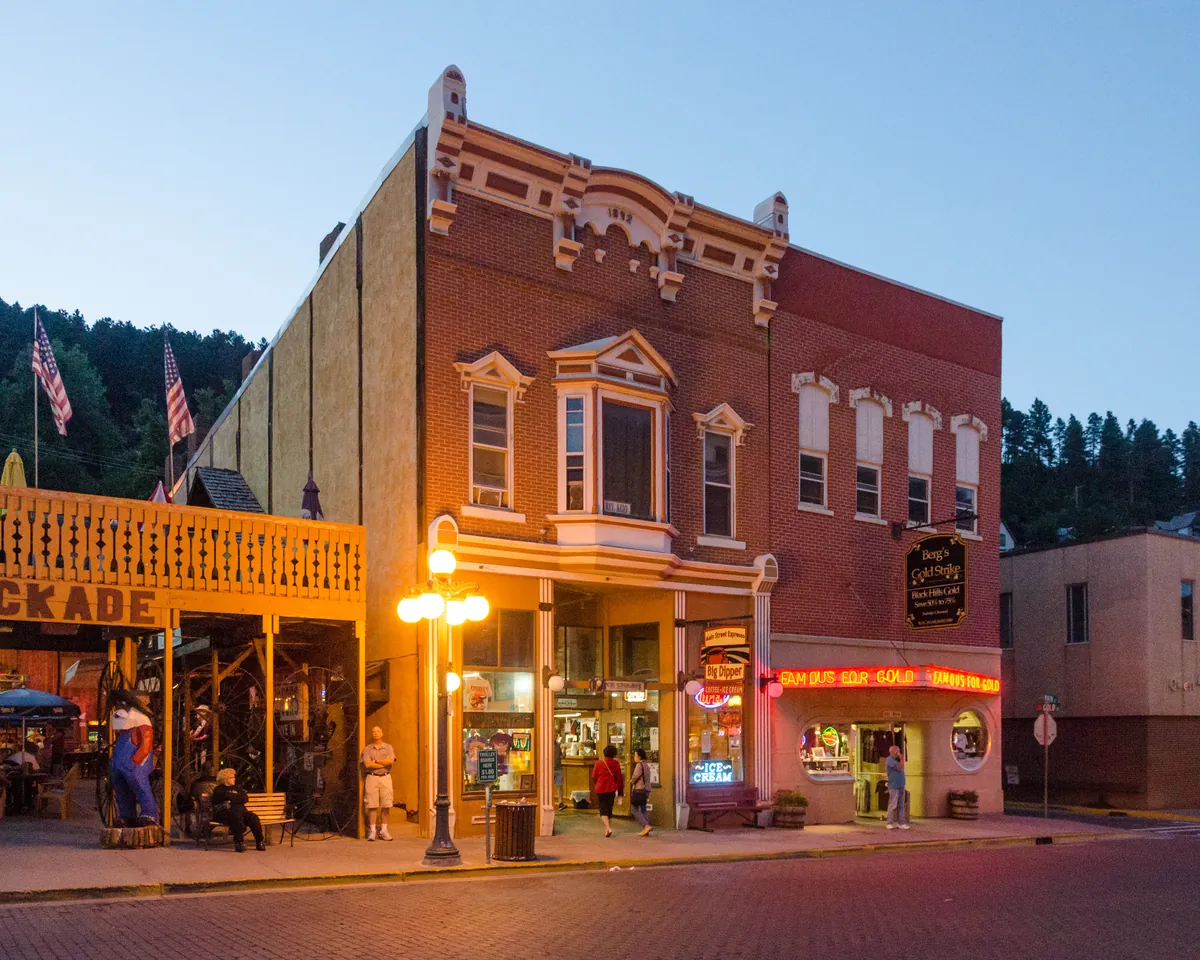
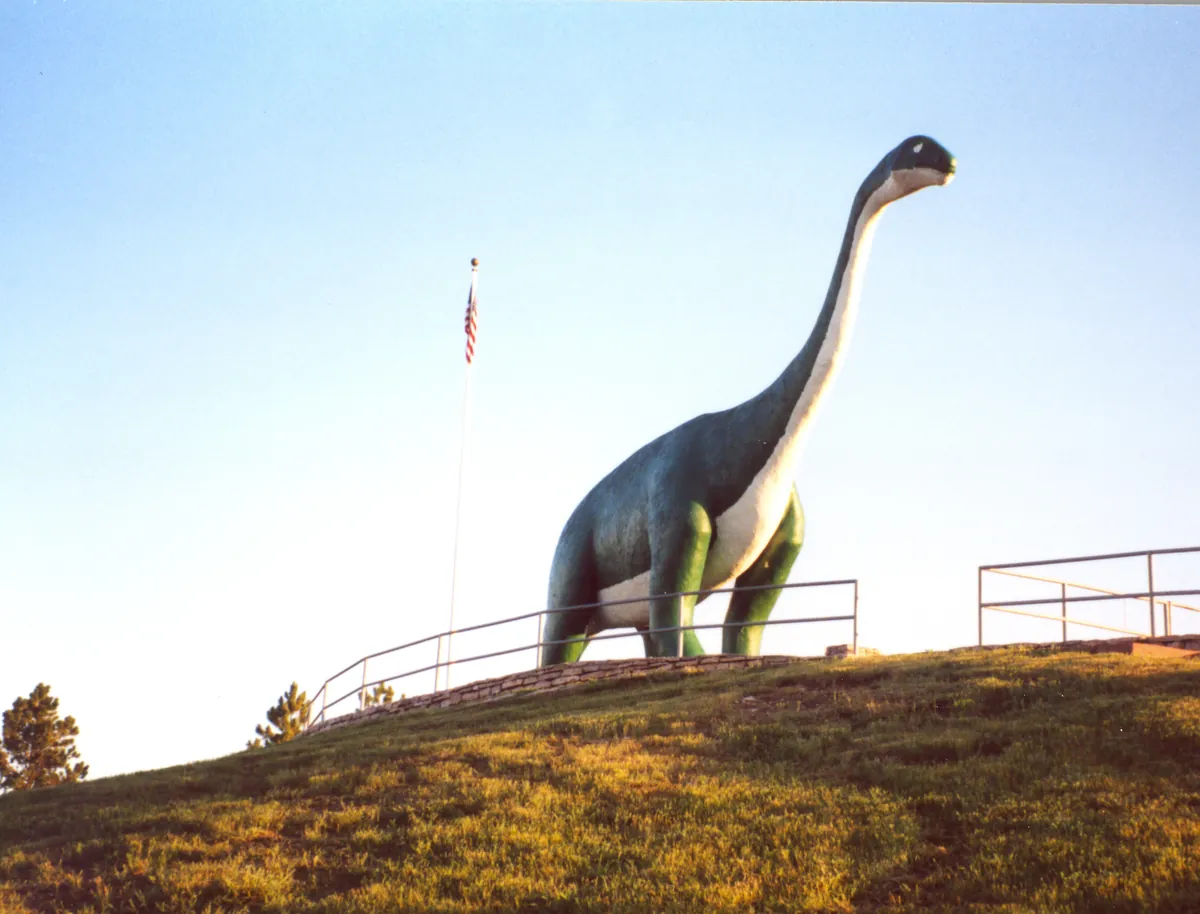
Connect your Cour circle to see which places friends and family recommend here.
Connect Cour →Landmarks
56 places worth the detour
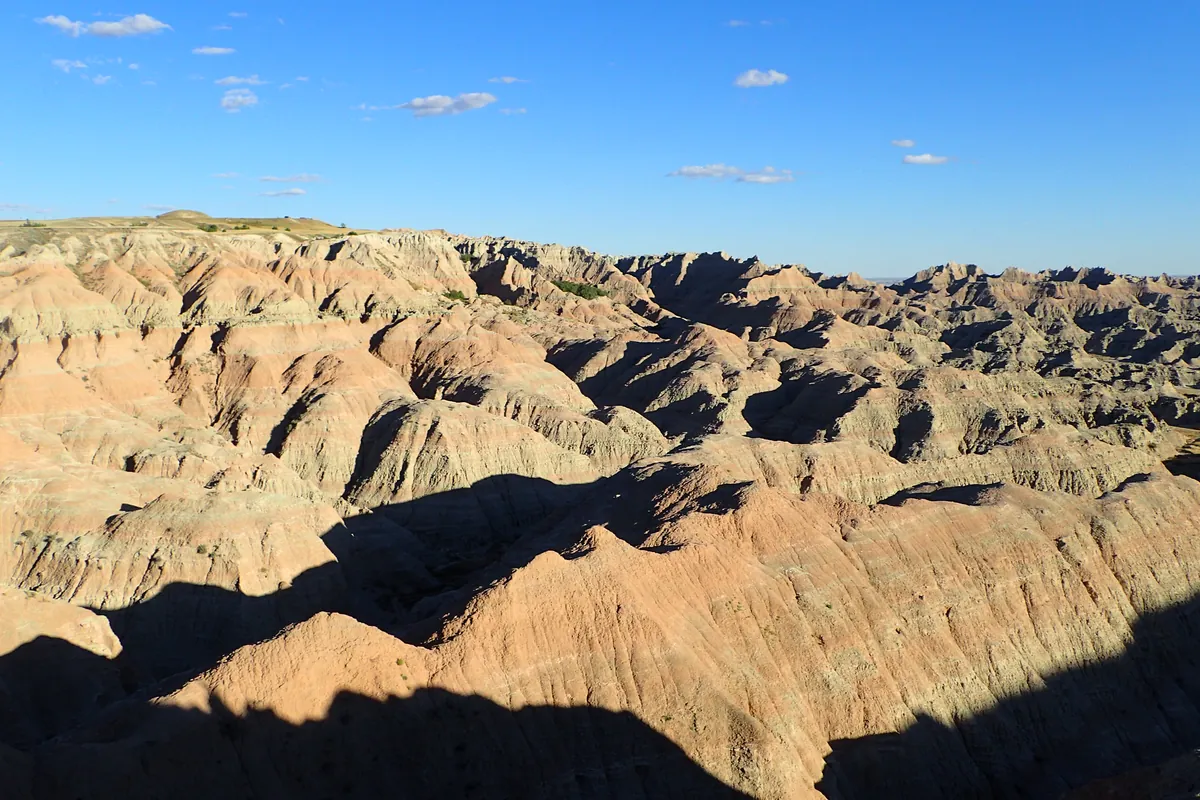
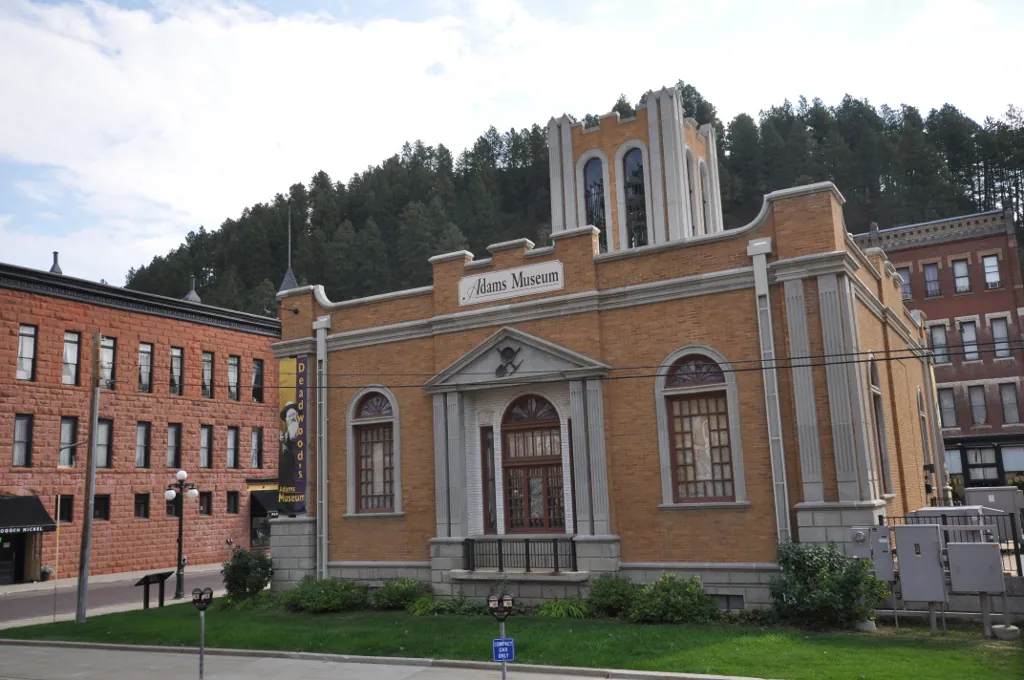
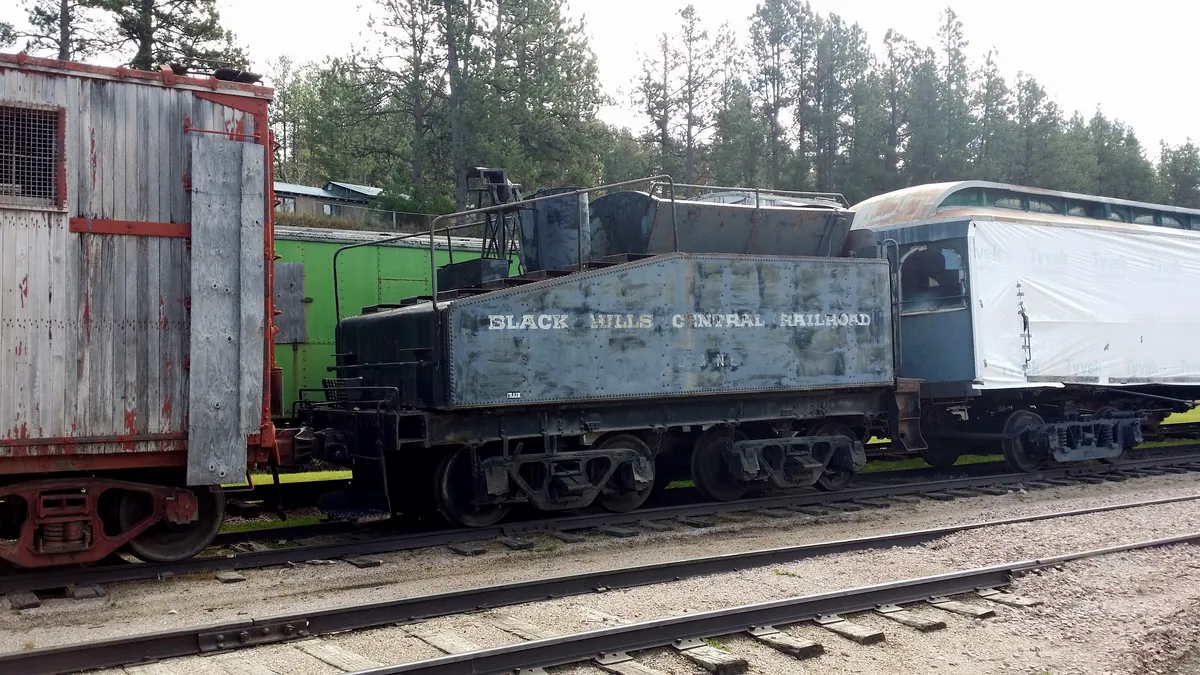
tap the eye to open · swipe or use buttons to browse
The Black Hills rise from the Great Plains like an island — dark with ponderosa pine against the surrounding grassland, visible from a long distance and, to people who had never seen mountains,…
Read the full storyReading
In 1974, a construction worker's blade hit something white in a South Dakota hillside — a tusk, sliced clean — and the Black Hills began revealing what it had held for millennia. That discovery became the Mammoth Site of Hot Springs, now the world's largest mammoth research facility, still actively excavating 61 mammoths and at least 87 other Late Ice Age animals without ongoing federal, state, or local funding. The Lakota had named this place Pahá Sápa long before excavation was a concept, and their relationship to it runs deeper than fossil beds: the 1868 Fort Laramie Treaty promised the Black Hills to the Sioux forever; by 1889, that promise was broken. What remains is a landscape that holds both the ancient record and the unresolved one — tended now by researchers, co-managed tribal land in the Badlands, and institutions like the Museum of Geology and the Journey Museum that refuse to let either story go quiet.
The Black Hills were never easy terrain to move through — ancient rock upwarped from the plains, carved into ridges and granite spires by millennia of stream erosion. The roads and trails built here in the early twentieth century didn't fight that fact; they used it. Peter Norbeck mapped the Needles Highway on foot and horseback before a single charge was set; the 14-mile route, finished in 1922, tunneled straight through sheer granite walls. Iron Mountain Road, constructed in 1933, answered the same problem with 314 curves, 14 switchbacks, and three pigtail bridges — engineered deliberately to hold traffic to 35 miles per hour. When the Chicago, Burlington and Quincy railroad corridor finally quit running in 1986, it became something else: 108.8 miles of trail from Deadwood to Edgemont, finished in 1998, the rail line converted into the Mickelson Trail — the hills made passable again, on different terms.
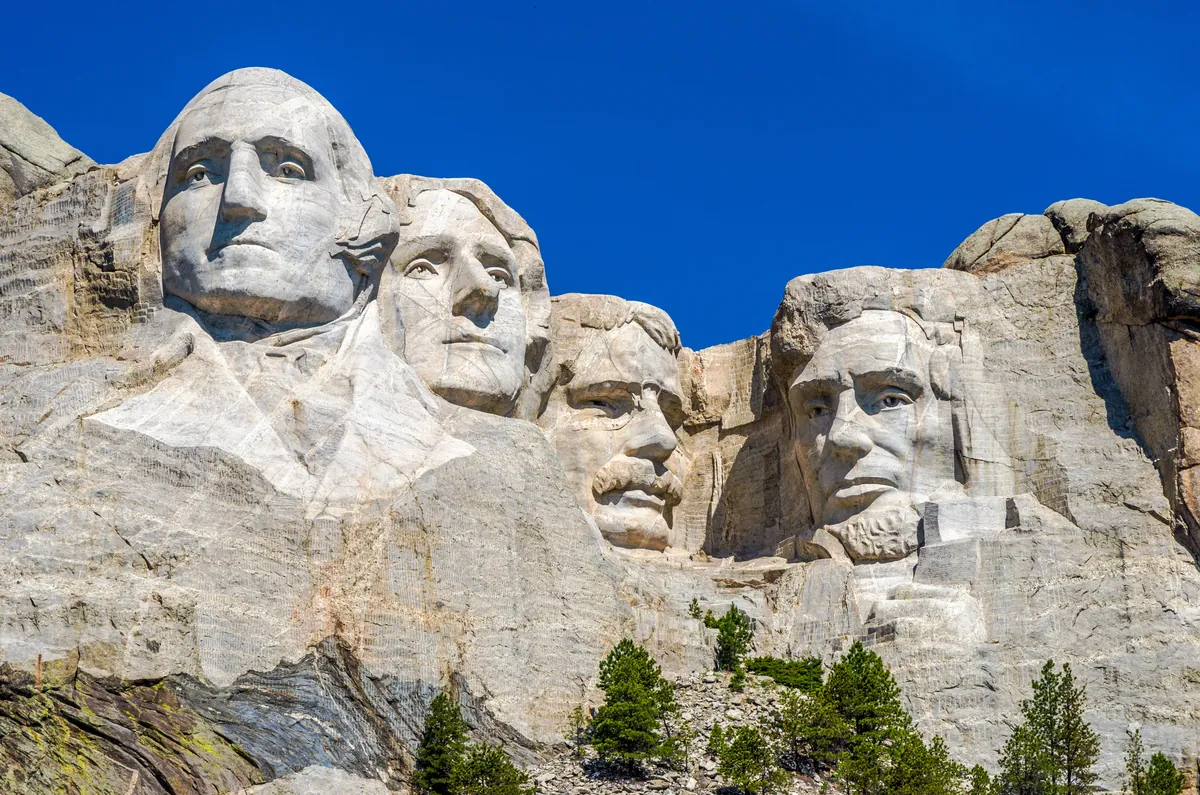
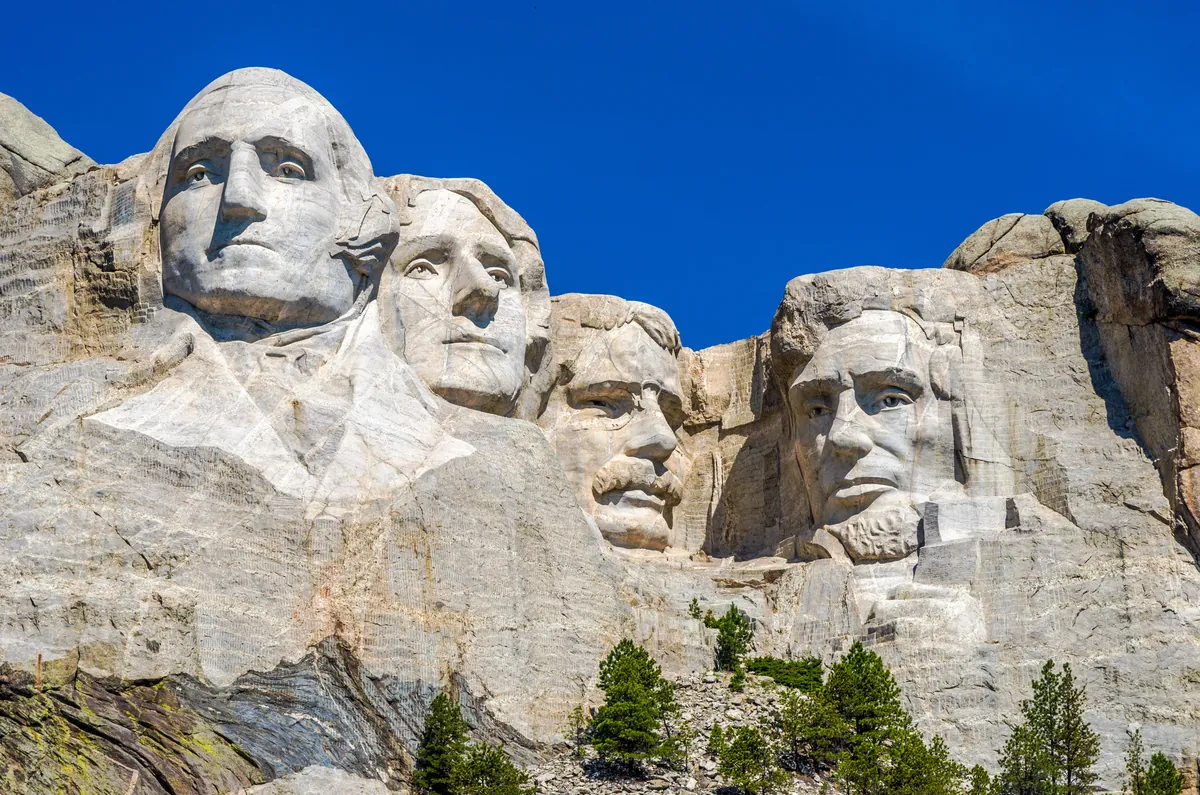
The Lakota called this range Pahá Sápa — sacred ground, taken anyway. The U.S. broke the Fort Laramie Treaty in 1877, and between 1927 and 1941, Gutzon Borglum and 400 workers blasted 60-foot presidential faces into granite the Lakota had never ceded. The Sioux have never stopped demanding it back. Into that unresolved argument, in 1948, Henry Standing Bear invited Polish-American sculptor Korczak Ziolkowski to Thunderhead Mountain with a clear purpose: the white man should know the red man has great heroes, too. The resulting carving of Crazy Horse — 641 feet long, 563 feet high when finished, the largest mountain carving in the world — accepts no government funding. That decision explains both why it's unfinished and why it matters. Two mountains, four miles apart, carving competing claims into the same stolen rock.
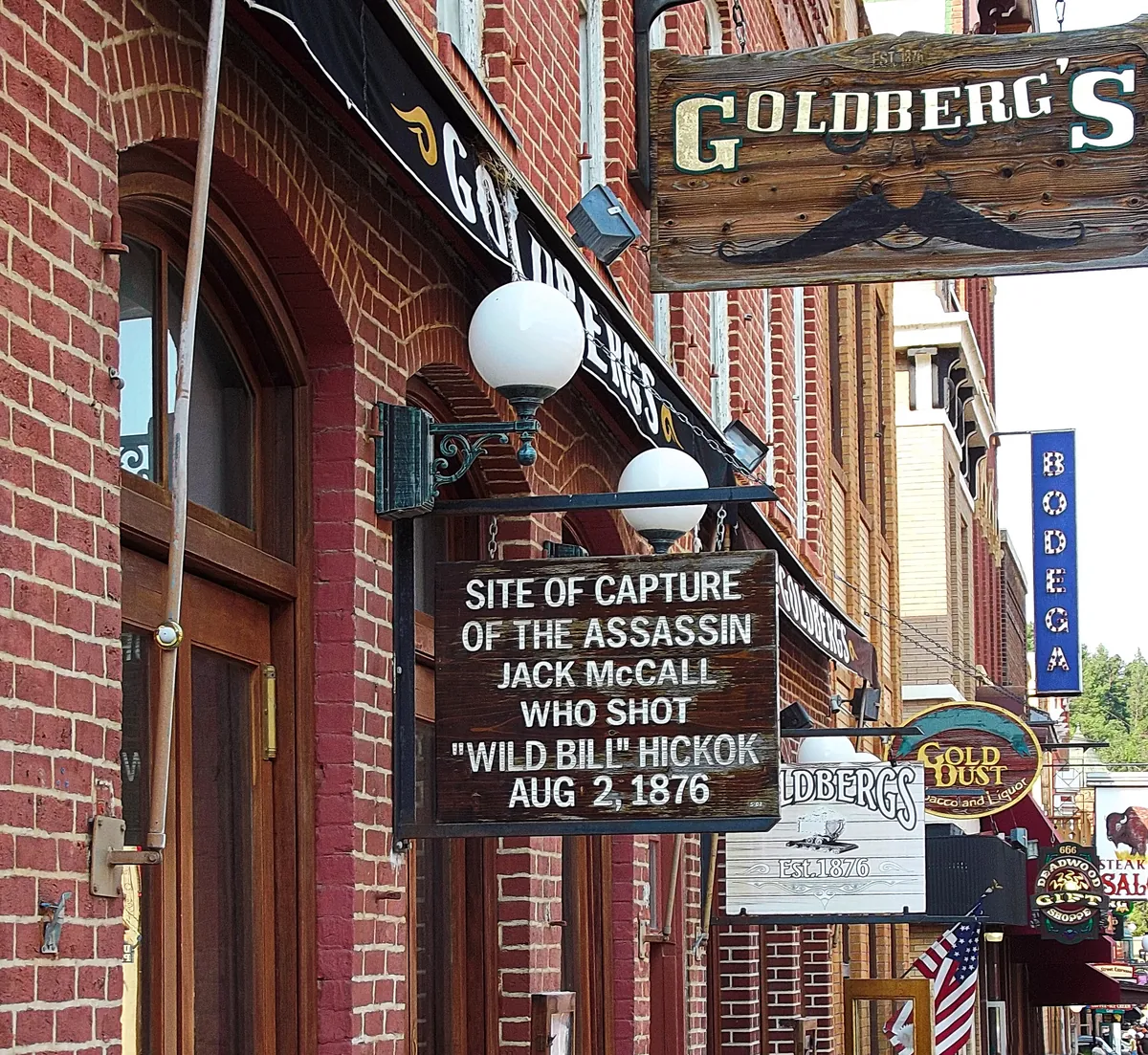
The Black Hills were Lakota land — guaranteed by the Fort Laramie Treaty of 1868, exempted from settlement forever. Then Custer's 1874 expedition announced gold, and the promise collapsed. Miners poured in from Colorado and Montana, built illegal boomtowns on stolen ground, and drove into the earth with a ferocity the landscape still wears. Deadwood peaked at 25,000 people and buried Wild Bill Hickok. The Homestake Mine, staked in 1876, pulled more than forty million troy ounces before closing in 2002 — the largest and deepest gold mine in the Western Hemisphere. Smaller operations like the Broken Boot and Big Thunder mines found modest ore, then found other uses, then found tourists. The economy has shifted from extraction to hospitality, but the terms haven't changed much: the hills still draw people who come looking for something valuable buried in the dark.
The Lakota called it Pahá Sápa — the Black Hills — and held it as the center of their culture. The 1868 Fort Laramie Treaty guaranteed it to them, exempting the land from non-indigenous settlement forever. Then George Armstrong Custer's 1874 expedition found gold, miners flooded in, and after the Great Sioux War of 1876 the U.S. government seized the Hills anyway, forcibly relocating the Lakota to five smaller reservations and selling off nine million acres of their former land. In 1980, the Supreme Court ruled the seizure unconstitutional and awarded $106 million in compensation. The Sioux Nation refused it. They want the land. That fund now sits at over $1.3 billion, uncollected — the most precise measure available of what this place still means, and what the Lakota have never agreed to surrender.
Tickets & Shows
Before you go
Deadwood, 1876: lawbreakers on stolen Lakota ground, gold-sick and dying. Dexter doesn't romanticize a single second.
The land you're standing on was taken. This film, made by a Lakota man from South Dakota, tells you exactly how.

Plan your trip
The only thing left to do is go.
Some of these are partner links — if you book through them, Portage may earn a commission at no extra cost to you.
Editorial content compiled with AI assistance. Place details verified against public records.