Good forOutdoor loversFood & drink loversHistory buffs
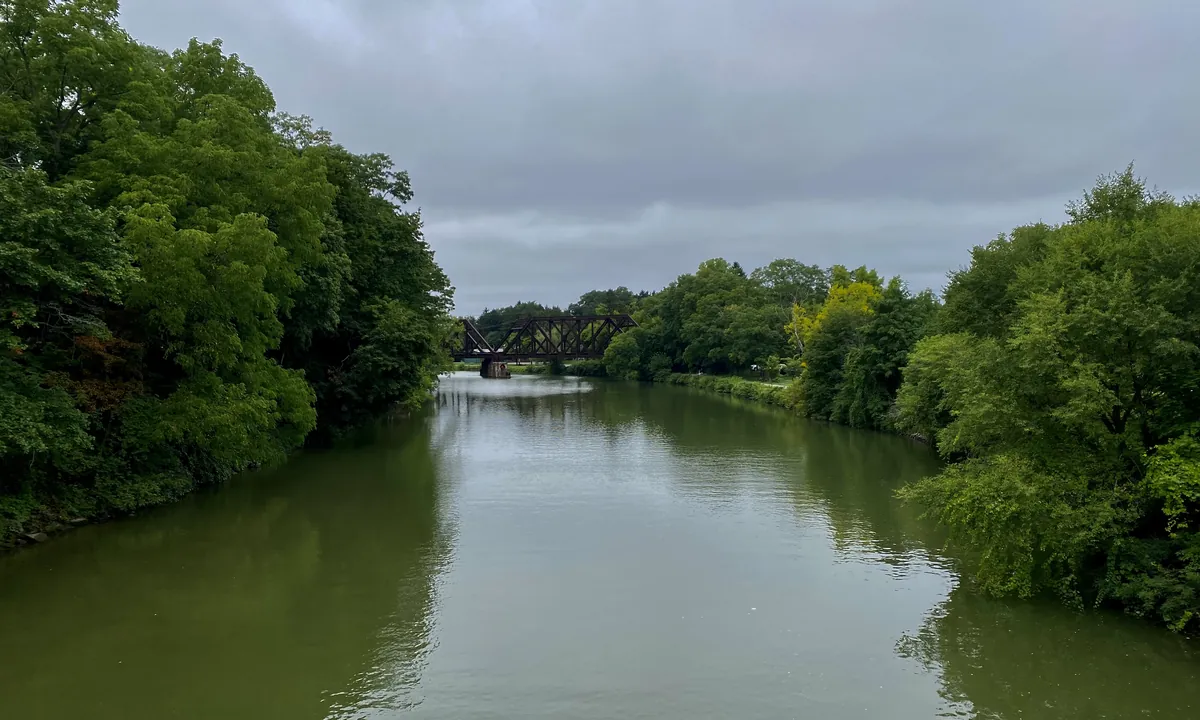
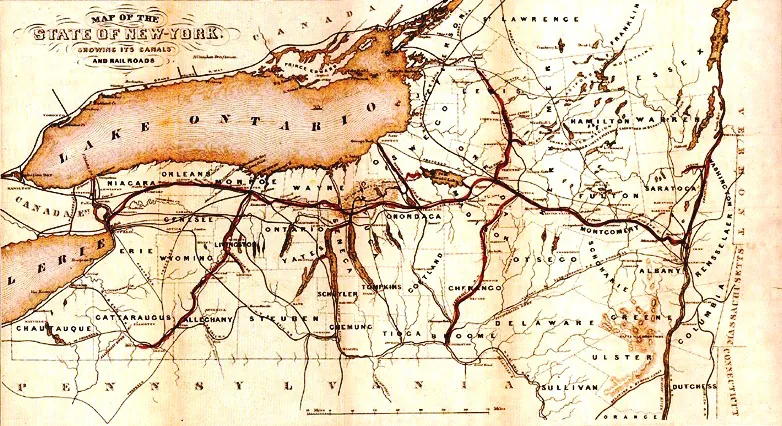
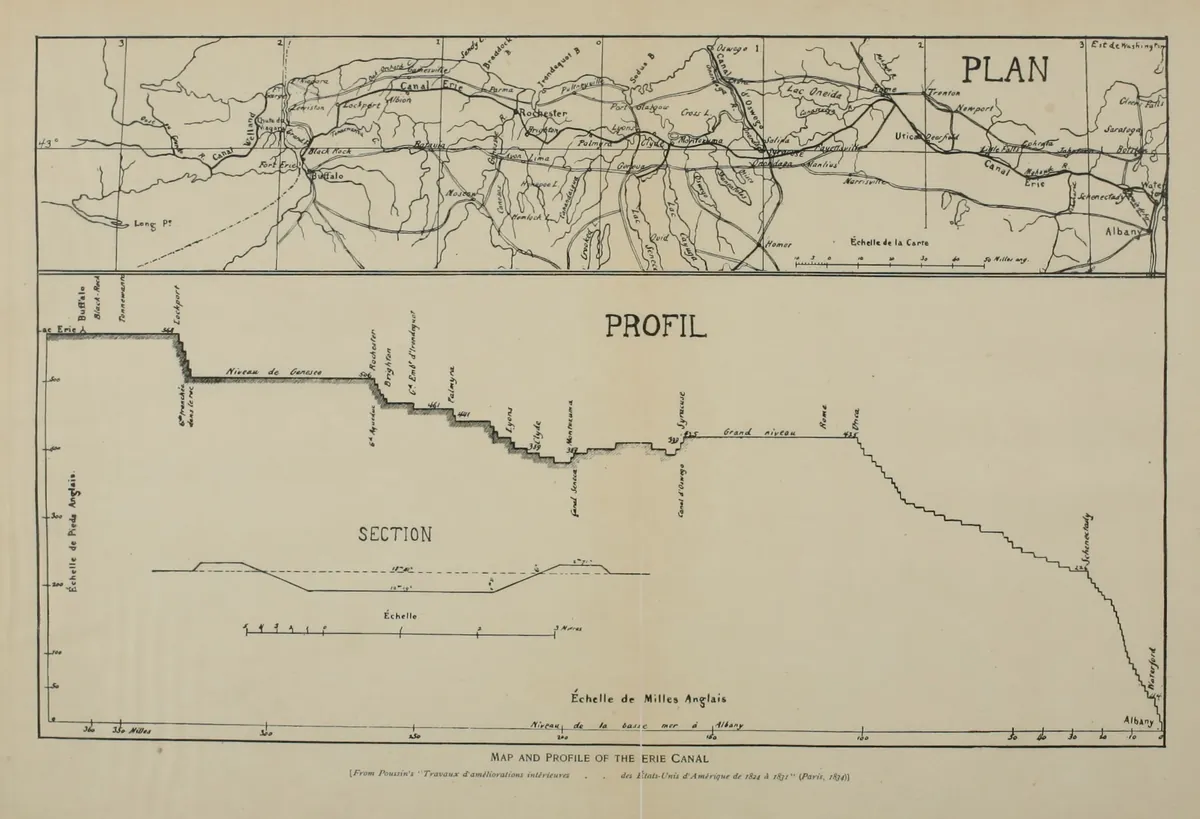
Completed in 1825, the Erie Canal connected Albany to Buffalo across 363 miles, becoming the first navigable waterway linking the Atlantic to the upper Great Lakes above Niagara Falls. It cut transport costs dramatically, made New York City the dominant American port, and accelerated settlement of the Great Lakes region. The Cayuga-Seneca Canal, a branch running 12 miles into the Finger Lakes, brought that commerce directly into this wine country. Today the canal runs primarily recreational traffic, but the engineering argument it settled — that the interior was reachable — still shapes everything around it.
Quick facts
- ·By 1823, an average of eight boats a day were passing through the lock at Waterloo, carrying flour, potash, pork, whiskey, lumber and wool and returning with other products and merchandise. (Verbatim-confirmed on the cited Wikipedia Cayuga–Seneca Canal page.)
- ·From 1825 to 1835, Rochester was the fastest-growing urban center in America, a period that coincided with the Erie Canal's opening and the growth of canal-borne trade. (Core claim — "fastest-growing urban center in America" 1825–1835 — is a direct quote confirmed on the cited The Conversation article; tightened here to avoid asserting a stronger, unsupported direct-causation claim than the source states.)
More archive
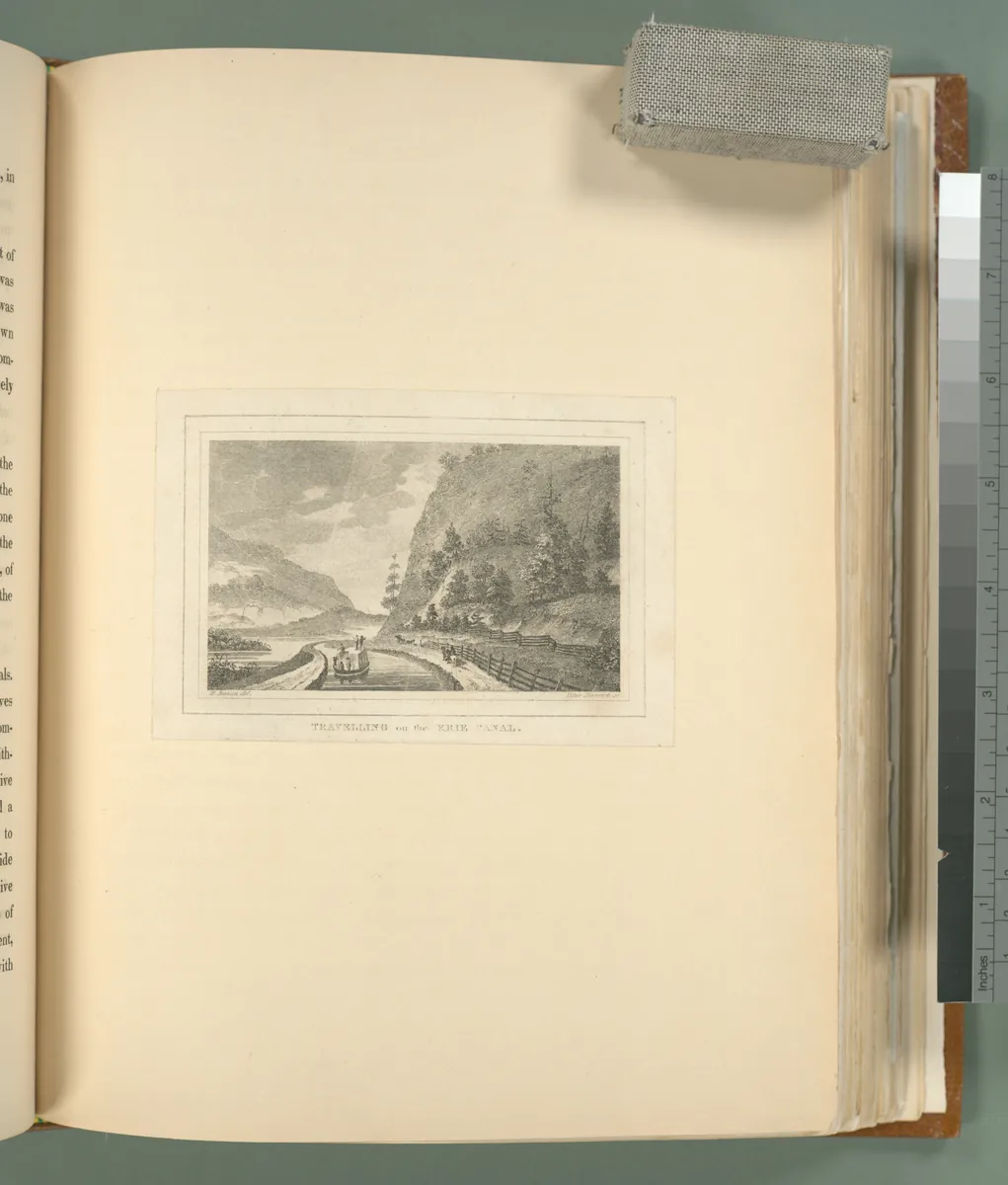
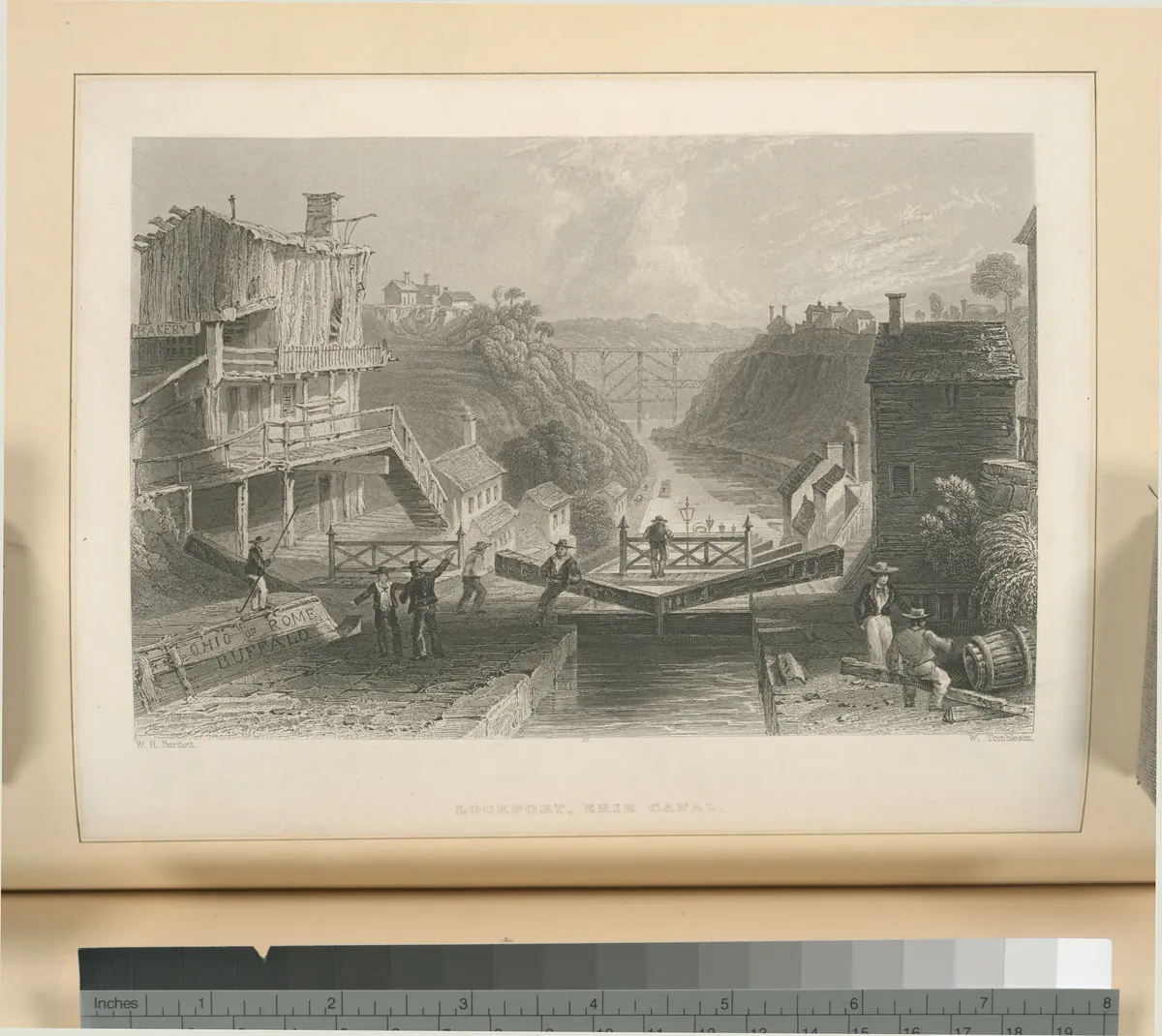
4 historical photographs.
Memories
Be the first to leave a memory at Erie Canal.
Sign in to see memories your family has left at this place.
Editorial content compiled with AI assistance. Place details verified against public records.