Top picks in The Finger Lakes
The places most worth your time here.
Connect your Cour circle to see which places friends and family recommend here.
Connect Cour →Landmarks
56 places worth the detour
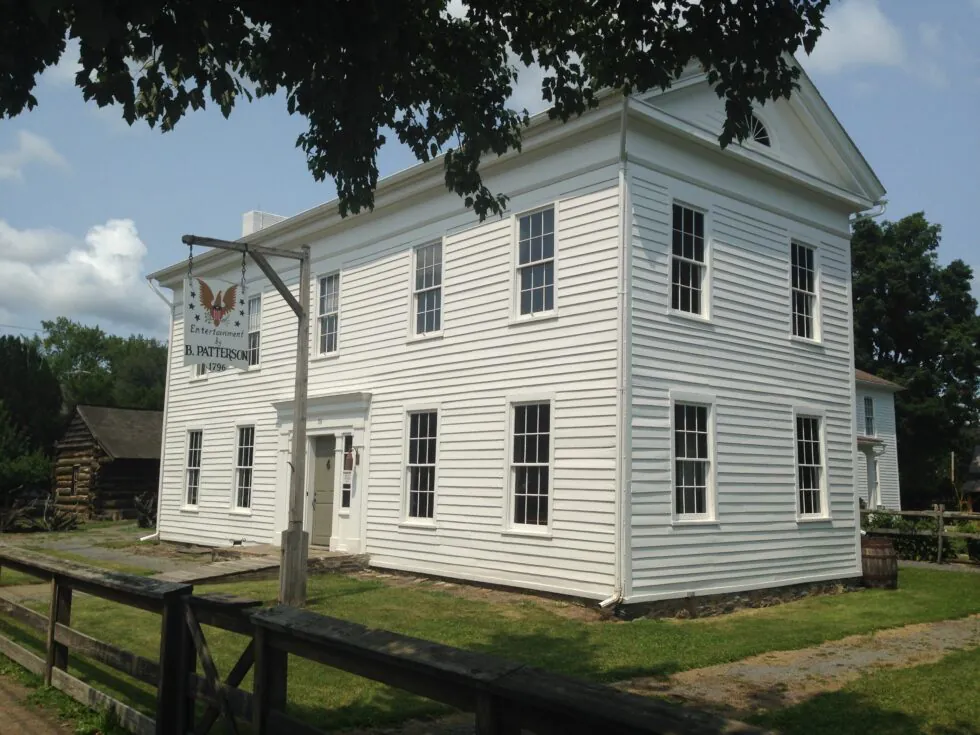
tap the eye to open · swipe or use buttons to browse
The eleven lakes didn't arrive on a map — they were carved. Two million years of continental glaciation sent the Laurentide Ice Sheet southward from the Hudson Bay area, again and again, grinding…
Read the full storyReading
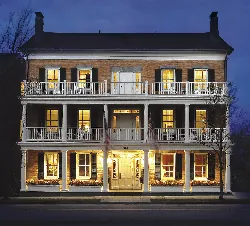
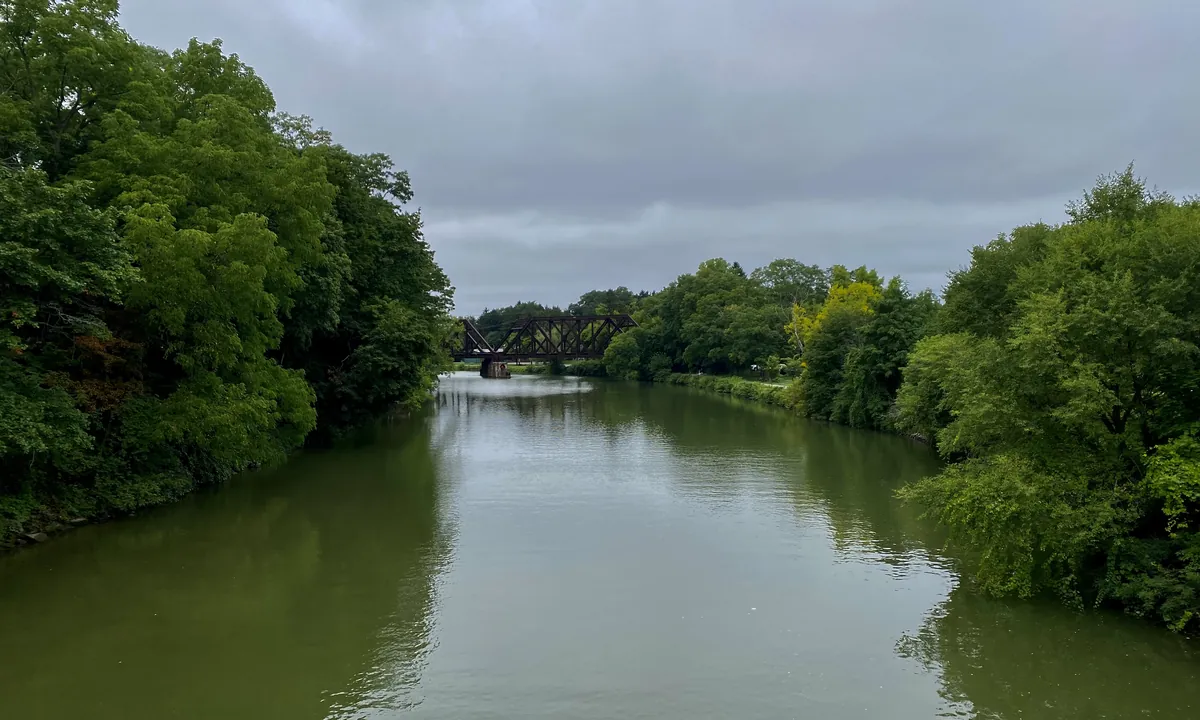
Around 1500, the Cayuga settled Skoi-Yase — "flowing water" — at the rapids of the Seneca River near present-day Waterloo, drawn by an abundant supply of fish, especially eels. They hunted, trapped, farmed, and fished these watersheds for centuries. Archaeologist Jack Rossen of Ithaca College has worked since 2000 on roughly ten major sites along the east side of Cayuga Lake, dating from the tenth to the eighteenth century, documenting how long this water sustained human life. Then commerce arrived. By 1823, eight boats a day moved through the Waterloo lock — flour, potash, pork, whiskey, lumber, wool. When the Erie Canal opened in 1825, the region locked into Atlantic trade: Aurora became a shipping point, Edwin B. Morgan built the Aurora Inn in 1833, and a newspaper praised its "uninterrupted view of the water scenery of the most enchanting kind." The same water. Different hands.
For three centuries, conventional wisdom held that European wine grapes couldn't survive northeastern winters. Konstantin Frank, a Ukrainian viticulturist who arrived in America in 1951, disagreed. He planted vinifera vines on Keuka Lake in 1958 and proved everyone wrong. Hermann Wiemer heard the same discouragement in 1973 when he chose an abandoned soybean farm on Seneca Lake for Riesling — then watched his wines land on Wine Spectator's top 100 list. What made the defiance possible is geology: Seneca Lake runs 618 feet deep, rarely freezes, and holds enough heat in its hillsides to create cool-climate growing conditions serious winemakers have worked ever since. By 1981, local wineries had organized the country's first wine trail on Cayuga Lake. Seven years later, the region earned its AVA designation — the nation's 100th. The conventional wisdom was wrong. The lakes were right.
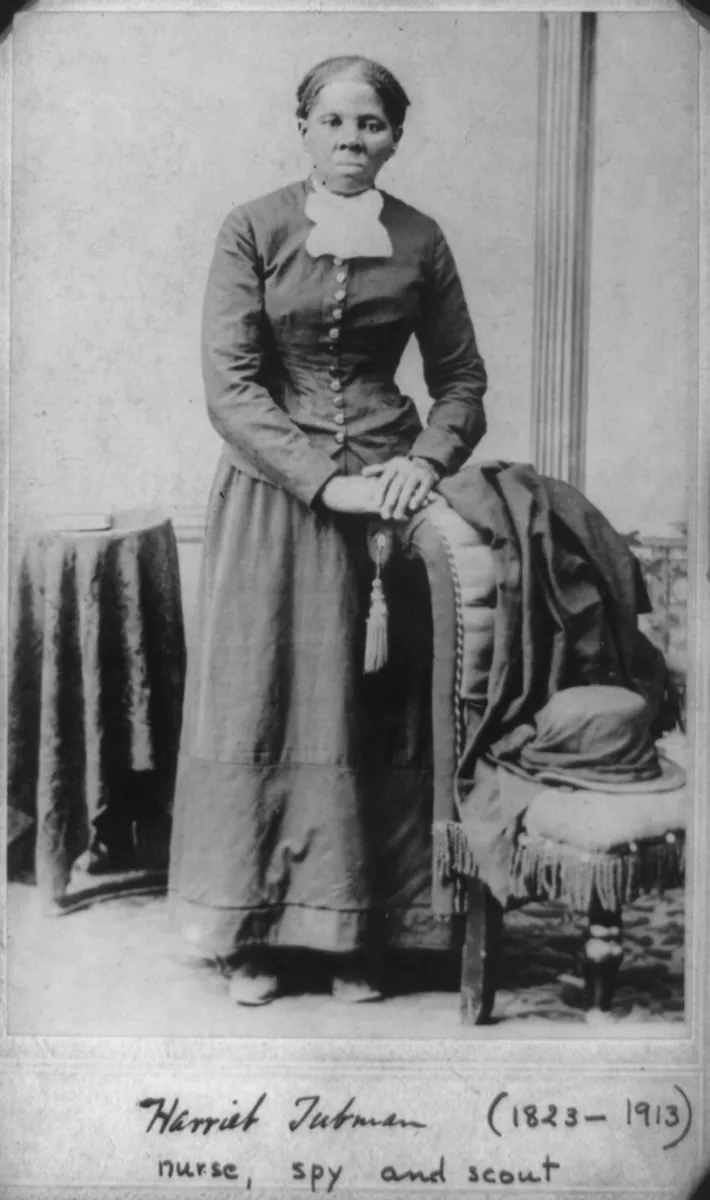
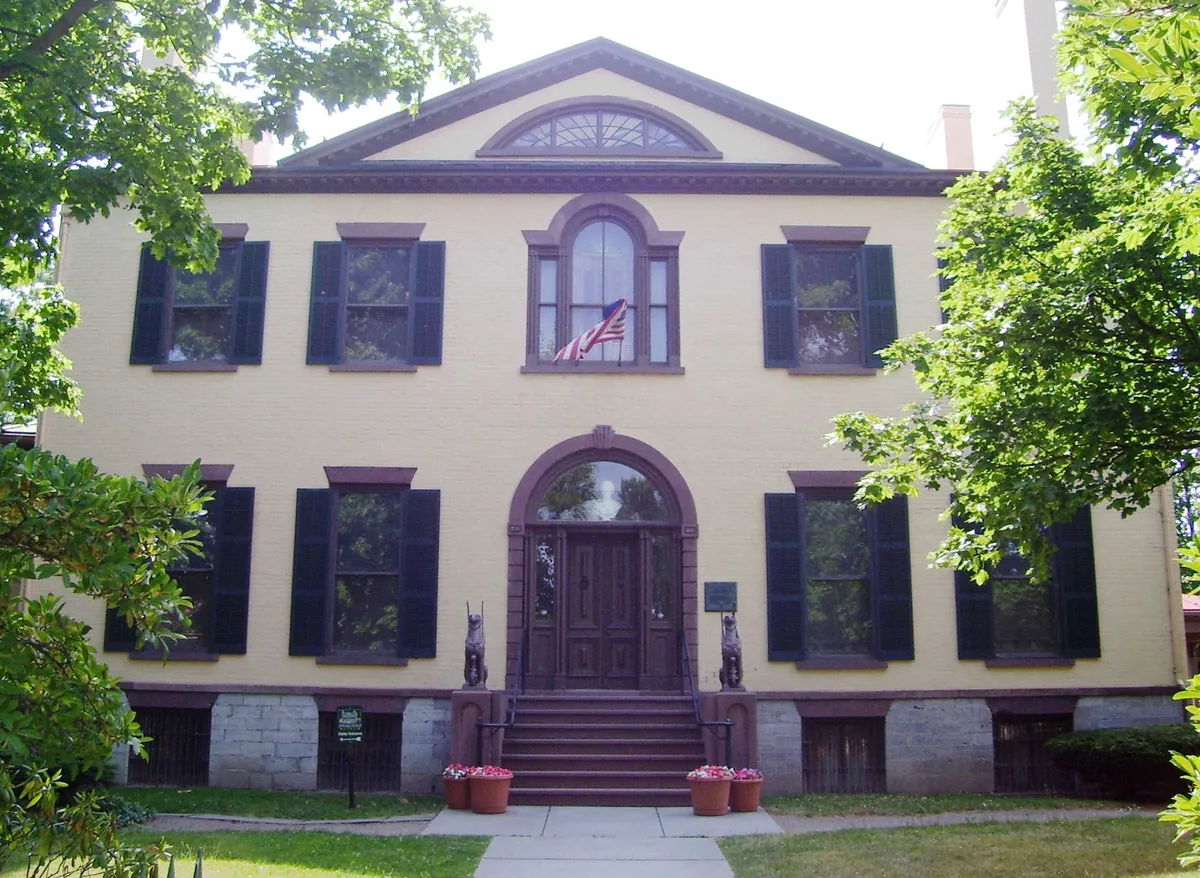
In the summer of 1848, more than 300 people gathered at a Methodist church in Seneca Falls and signed their names to an argument: that all men and women are created equal. The Declaration of Sentiments they produced there was radical enough that the region never quite shed the impulse. Eleven years later, Harriet Tubman arrived in Auburn, bought land from the wife of an abolitionist senator, founded a Home for the Aged, and stayed until 1913. William Henry Seward — senator, governor, the man who bought Alaska — lived down the road. Fort Hill Cemetery holds Tubman, Seward, and the buried site of a Cayuga Nation village beneath it all. The National Women's Hall of Fame, incorporated in Seneca Falls in 1969, now occupies an old knitting mill. What happened here wasn't coincidence — the Finger Lakes produced people who refused to let the argument die.
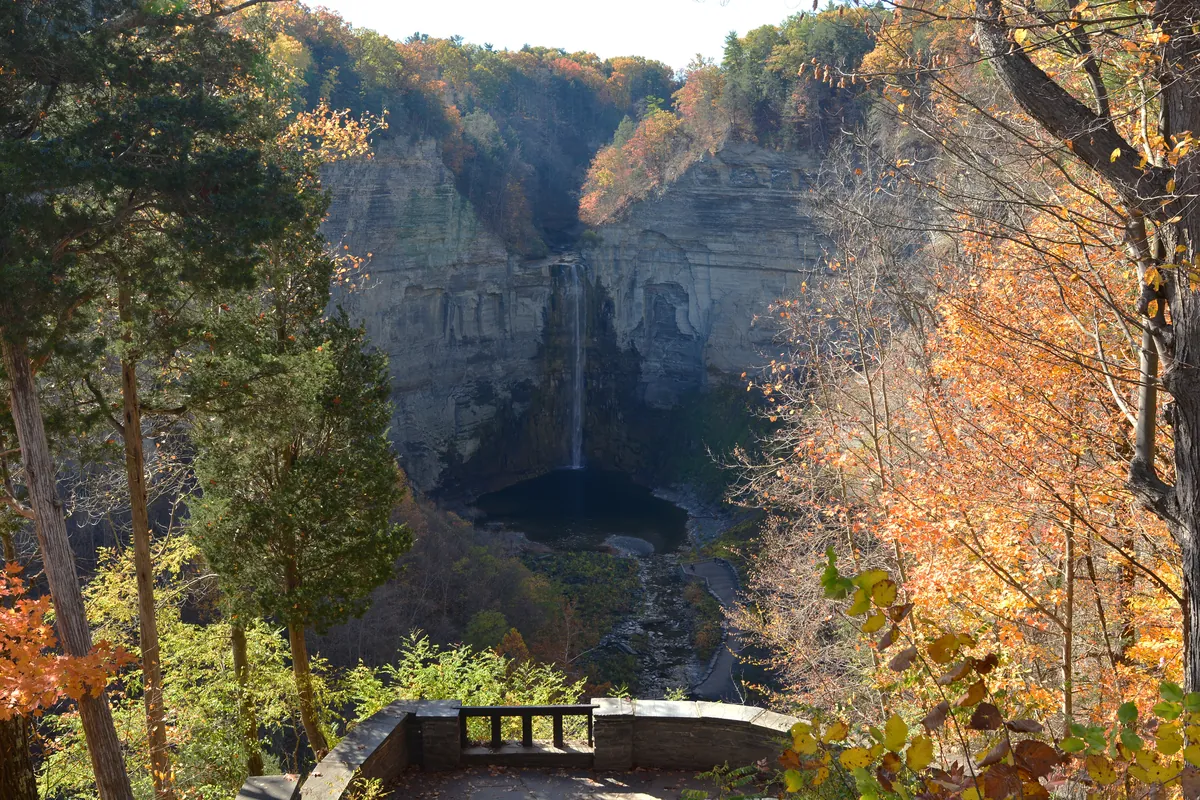
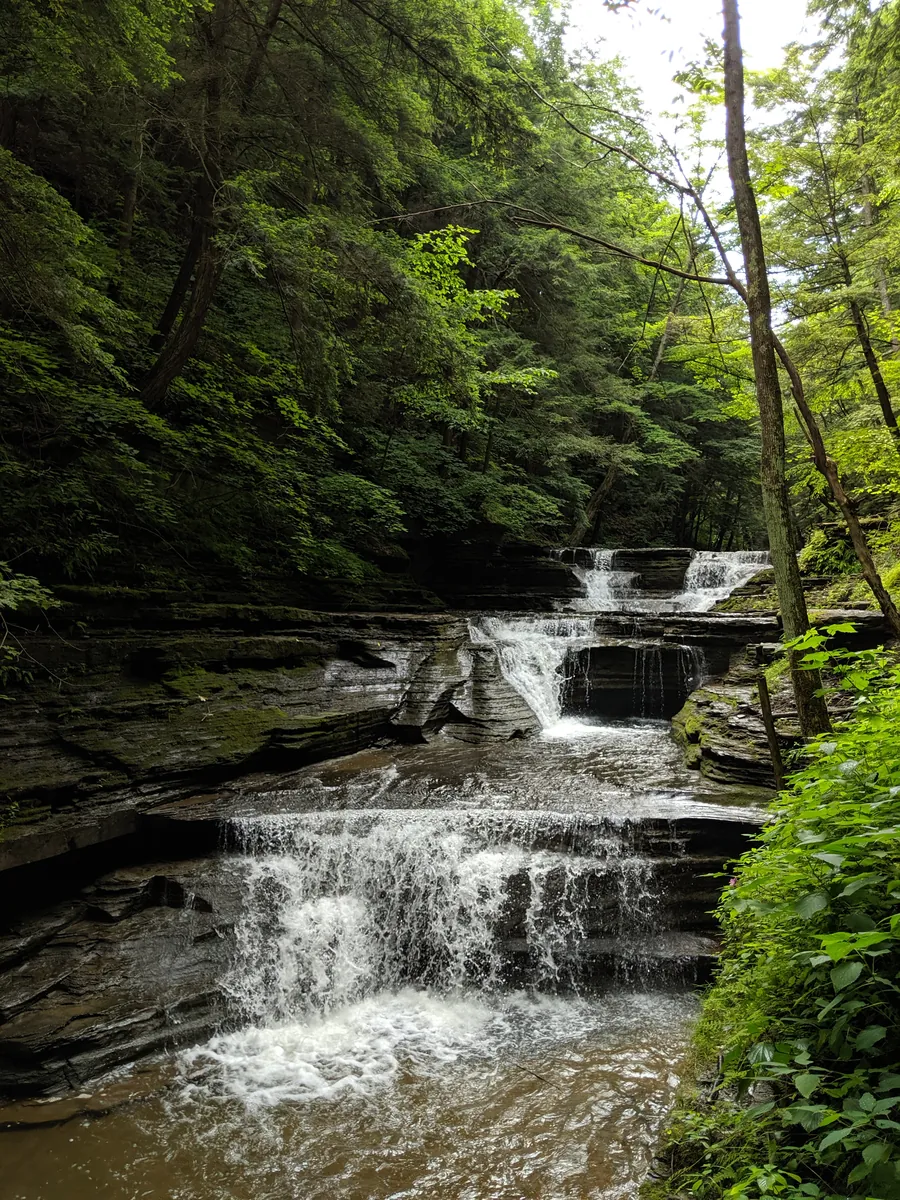
The glaciers didn't leave the Finger Lakes gently. When the last continental ice sheet pulled back — twenty to thirty thousand years ago — it diverted rivers into new valleys, hung tributary streams hundreds of feet above lake level, and left behind a geology of layered Devonian shale and sandstone built to fracture. Water did the rest. At Taughannock, the falls drop 215 feet — 33 feet more than Niagara — into a gorge still being slowly widened by freeze-thaw cycles working the shale at the base. At Buttermilk Falls, ten waterfalls drop 600 feet along a single gorge trail. At Letchworth, the Genesee River inherited a glacier-diverted valley and cut canyon walls rising 550 feet over 17 miles. The gorges here are not scenery — they are the operating mechanism of the landscape, still cutting, still fracturing, the same way they have since the ice let go.
Tickets & Shows
Before you go
Edwards grew up in Skaneateles. The Finger Lakes isn't backdrop here — it's the engine. Water, suffrage, what got buried.
The land before the wine list: glaciers, Haudenosaunee people, Tubman, Anthony — what the place actually cost to become itself.
Plan your trip
The only thing left to do is go.
Some of these are partner links — if you book through them, Portage may earn a commission at no extra cost to you.
Editorial content compiled with AI assistance. Place details verified against public records.