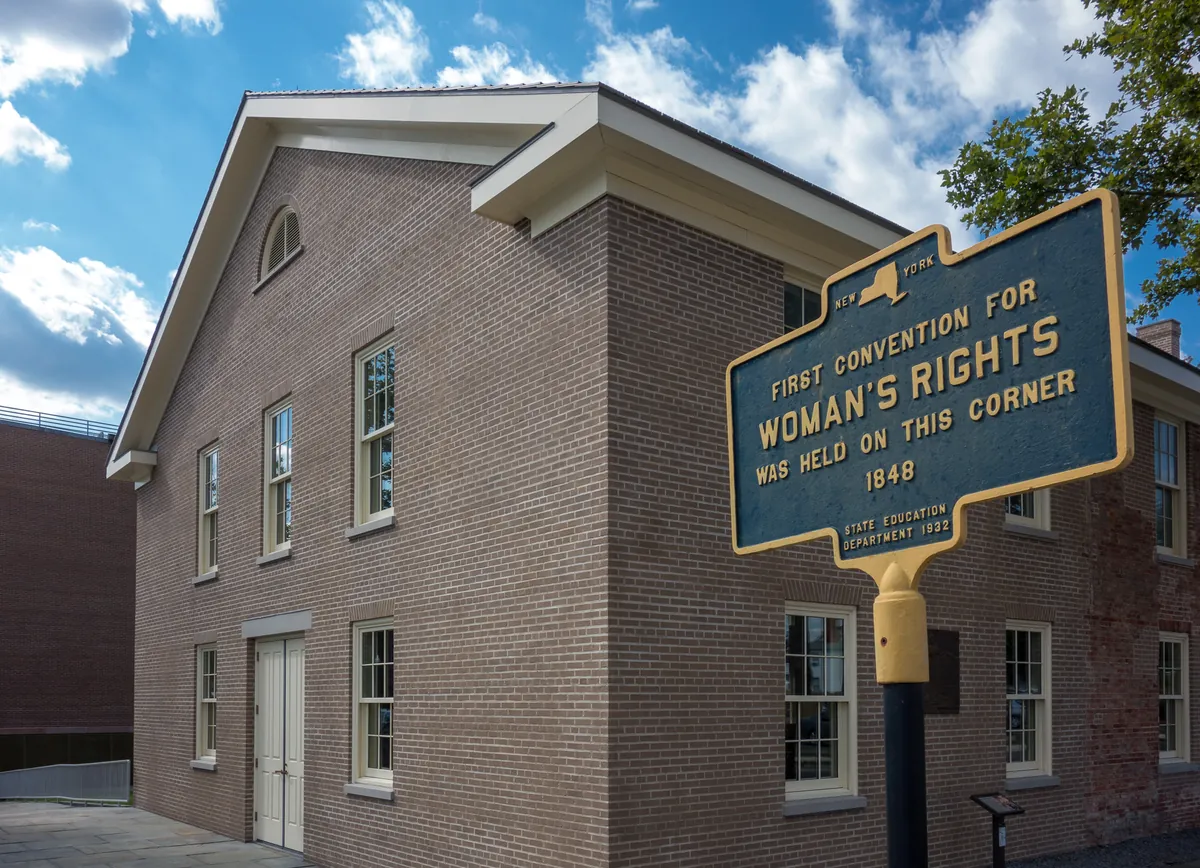
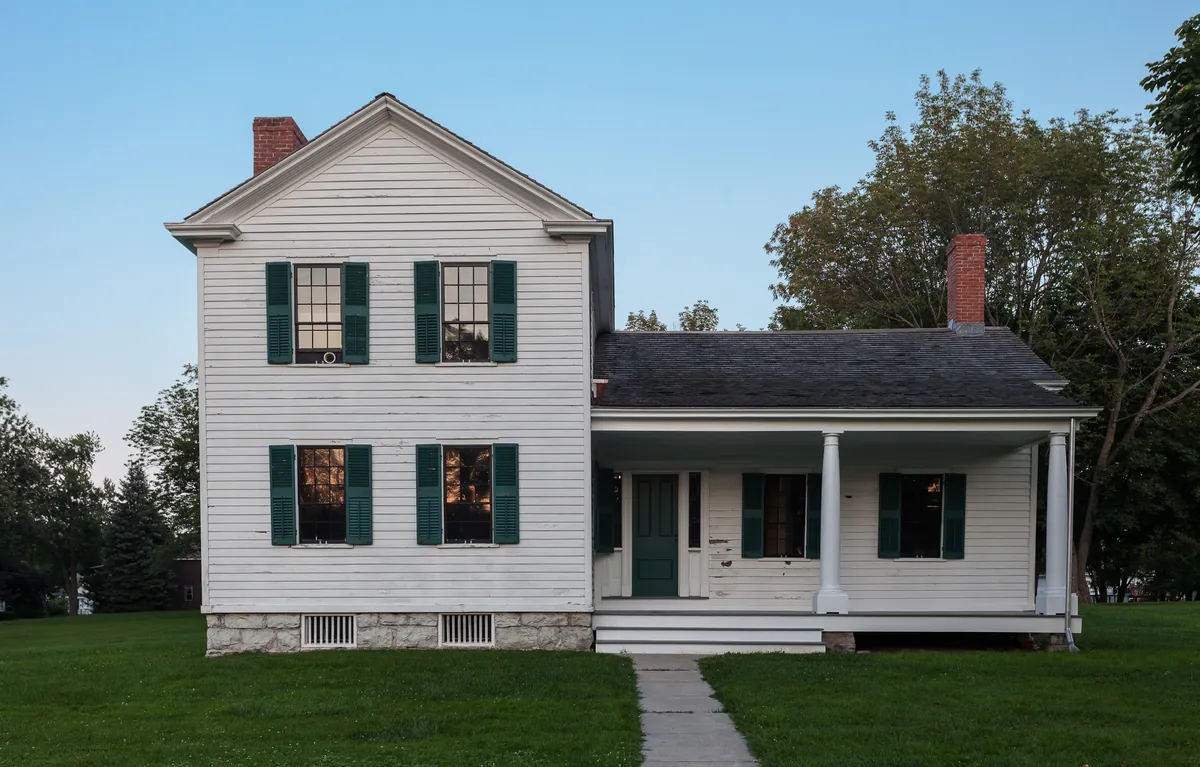
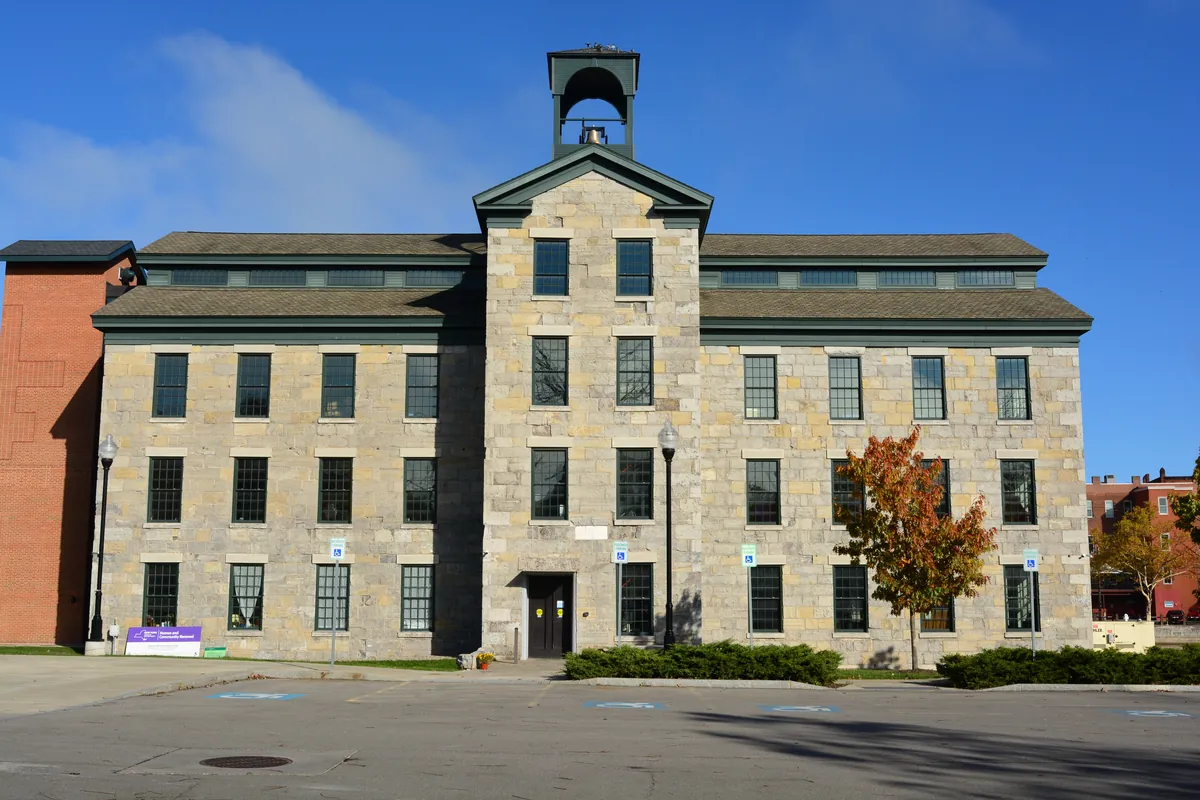
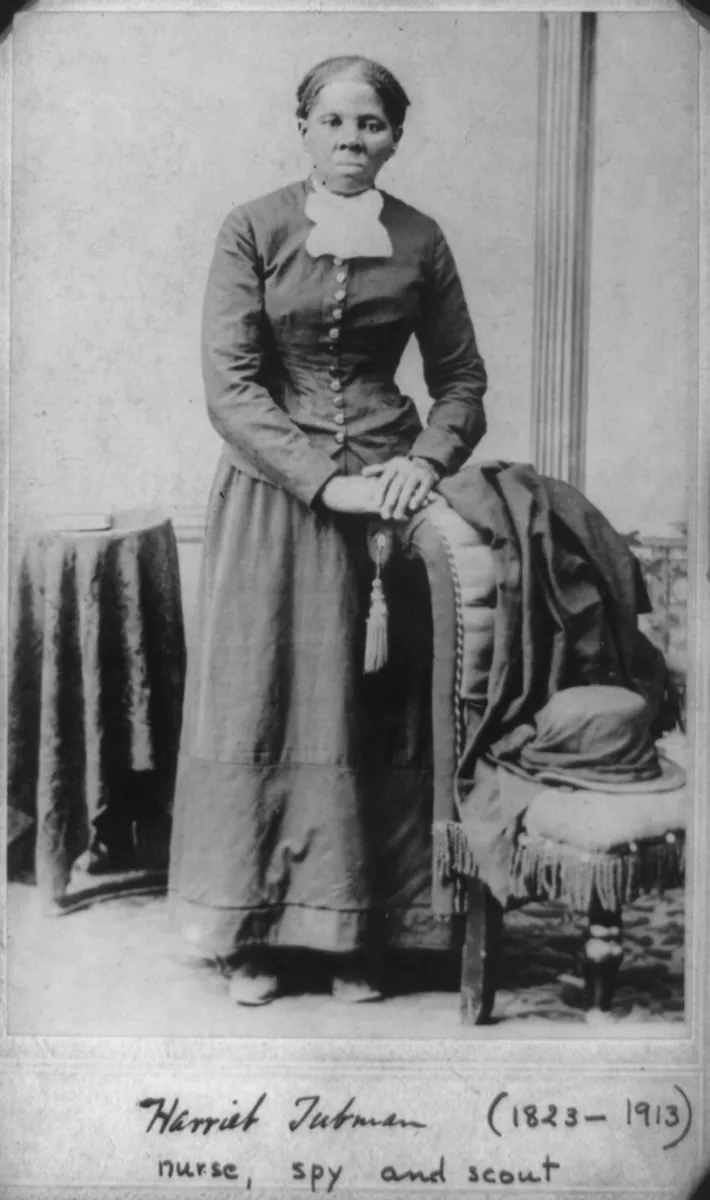
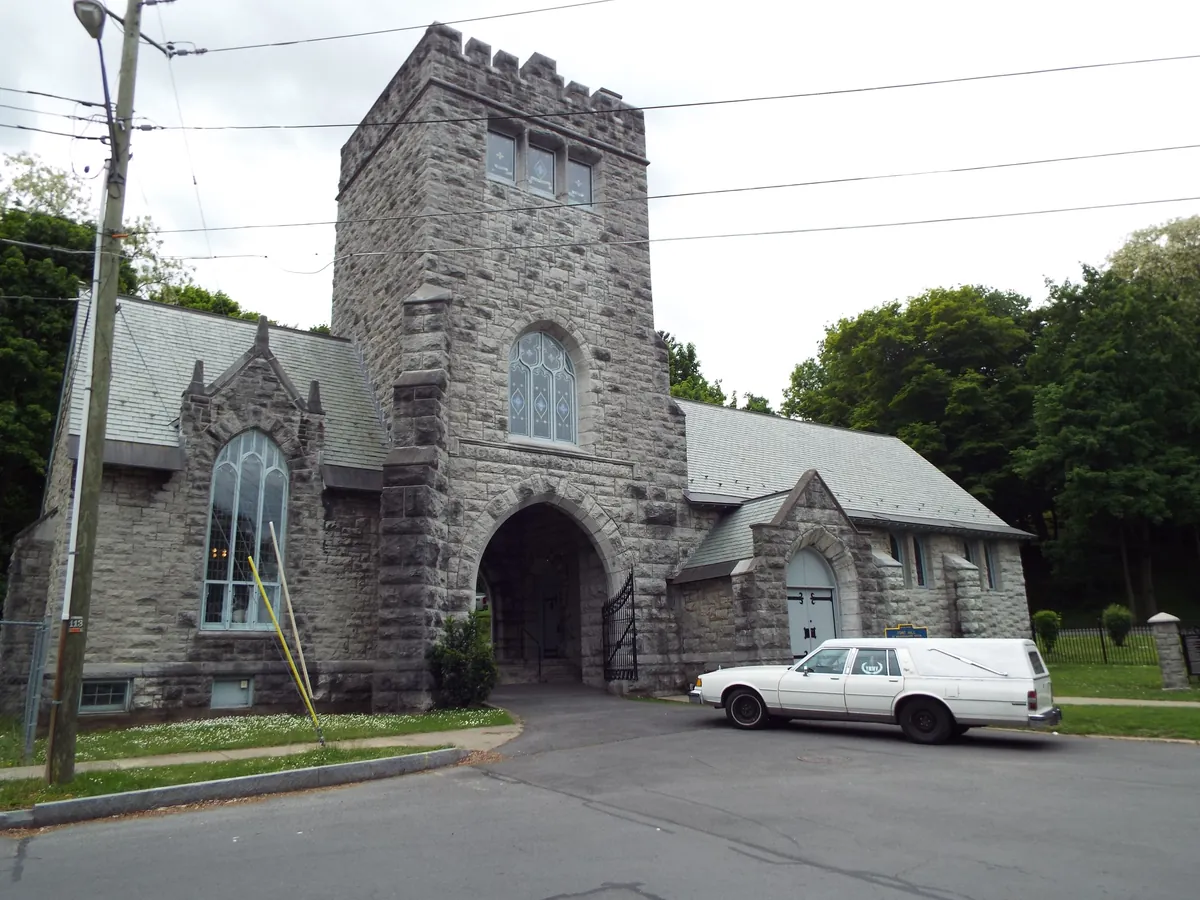
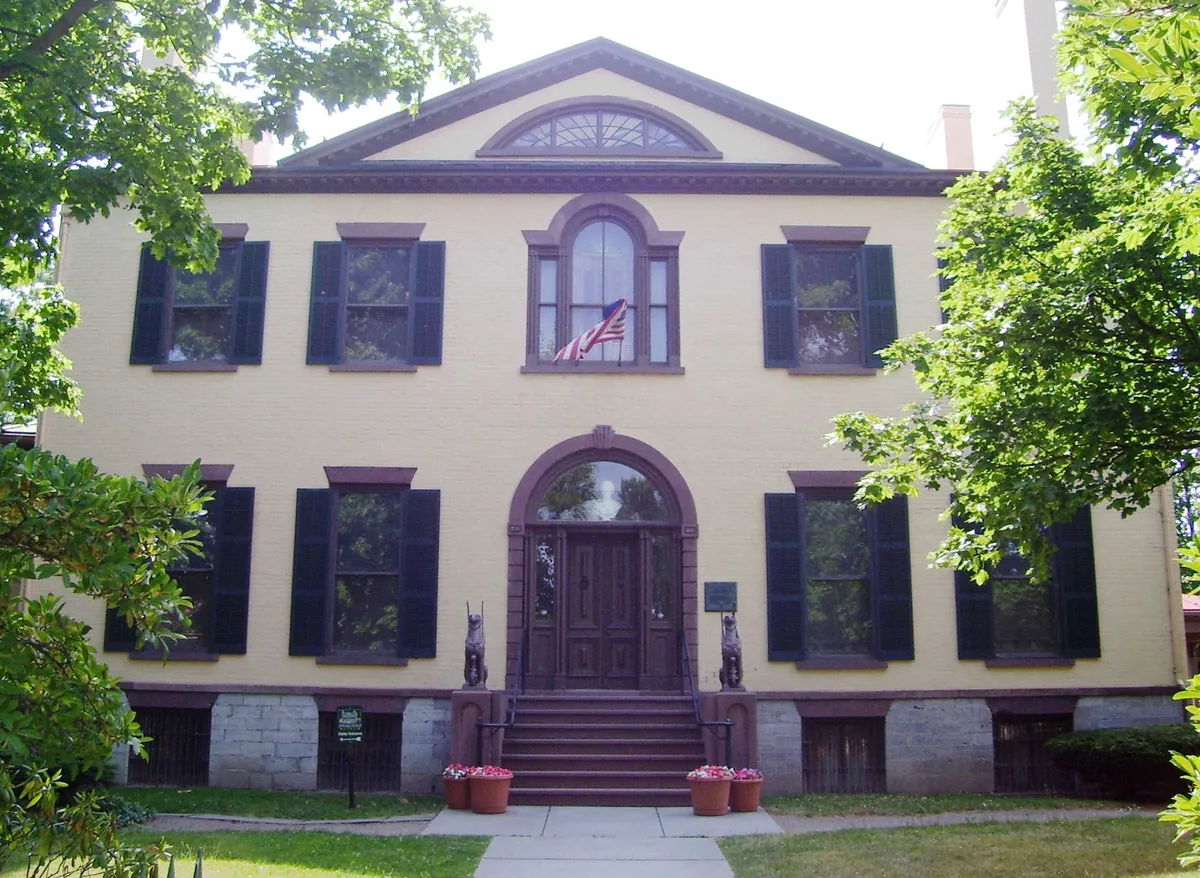
In the summer of 1848, more than 300 people gathered at a Methodist church in Seneca Falls and signed their names to an argument: that all men and women are created equal. The Declaration of Sentiments they produced there was radical enough that the region never quite shed the impulse. Eleven years later, Harriet Tubman arrived in Auburn, bought land from the wife of an abolitionist senator, founded a Home for the Aged, and stayed until 1913. William Henry Seward — senator, governor, the man who bought Alaska — lived down the road. Fort Hill Cemetery holds Tubman, Seward, and the buried site of a Cayuga Nation village beneath it all. The National Women's Hall of Fame, incorporated in Seneca Falls in 1969, now occupies an old knitting mill. What happened here wasn't coincidence — the Finger Lakes produced people who refused to let the argument die.