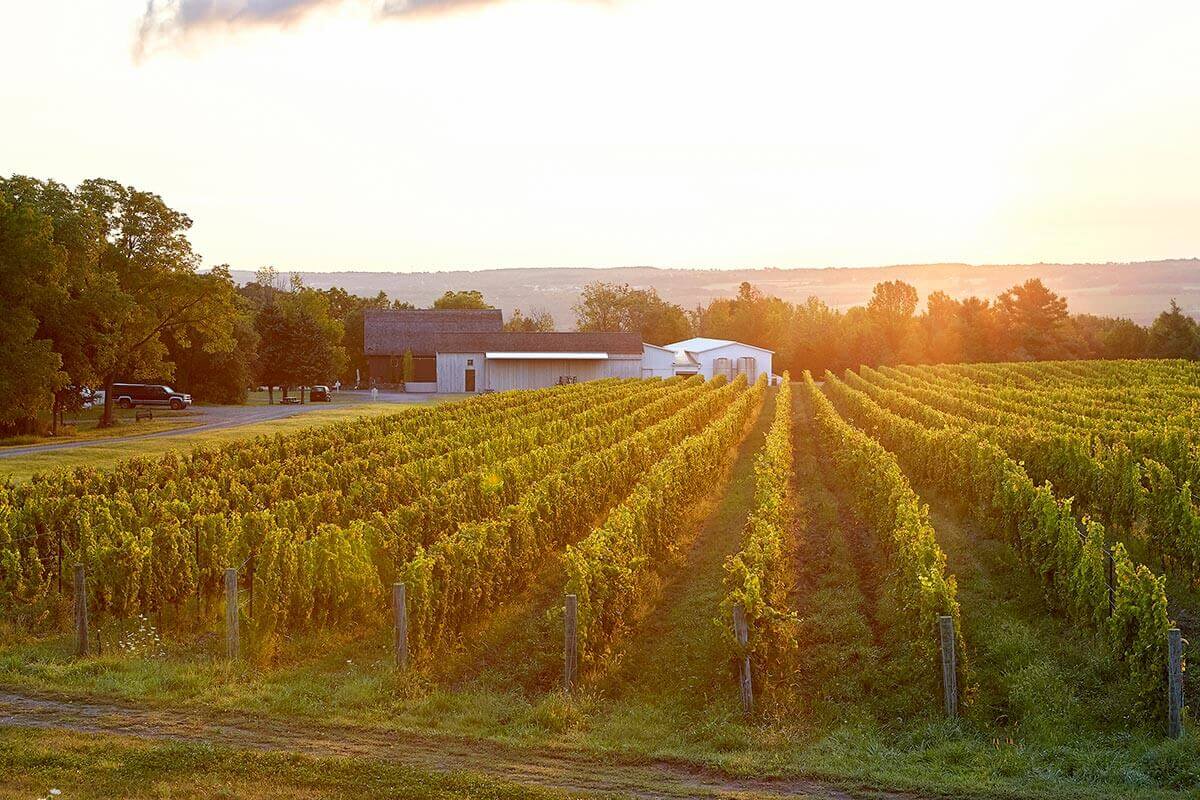
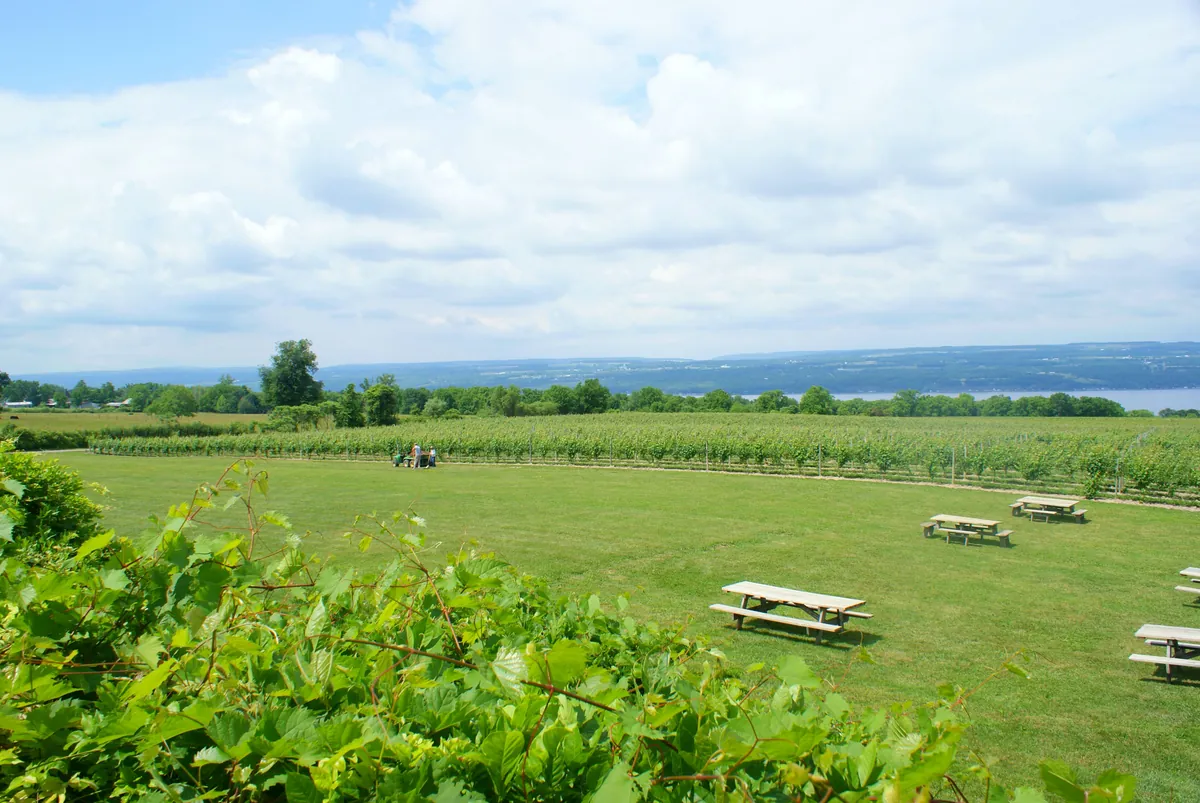
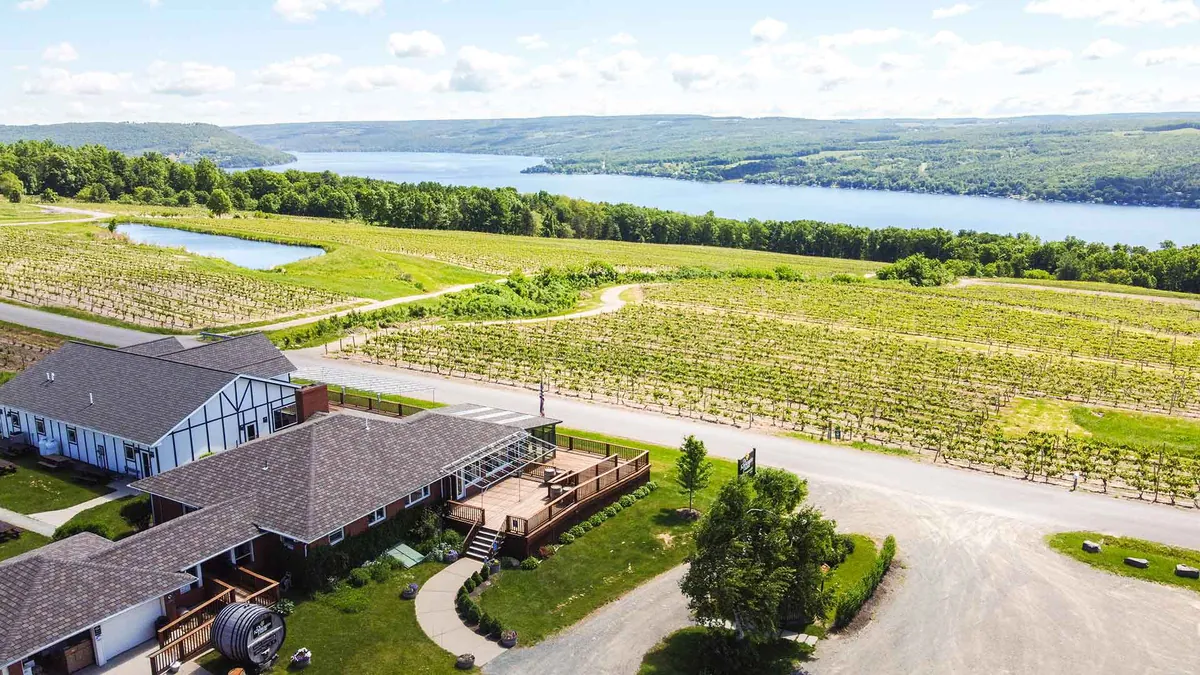
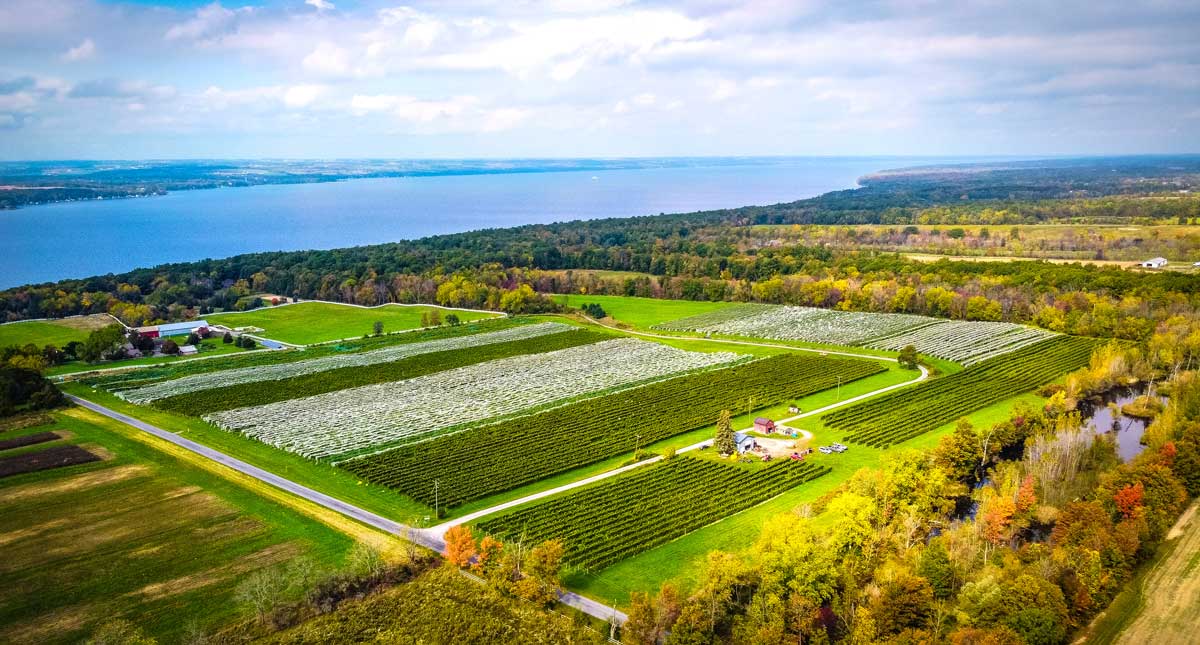
For three centuries, conventional wisdom held that European wine grapes couldn't survive northeastern winters. Konstantin Frank, a Ukrainian viticulturist who arrived in America in 1951, disagreed. He planted vinifera vines on Keuka Lake in 1958 and proved everyone wrong. Hermann Wiemer heard the same discouragement in 1973 when he chose an abandoned soybean farm on Seneca Lake for Riesling — then watched his wines land on Wine Spectator's top 100 list. What made the defiance possible is geology: Seneca Lake runs 618 feet deep, rarely freezes, and holds enough heat in its hillsides to create cool-climate growing conditions serious winemakers have worked ever since. By 1981, local wineries had organized the country's first wine trail on Cayuga Lake. Seven years later, the region earned its AVA designation — the nation's 100th. The conventional wisdom was wrong. The lakes were right.