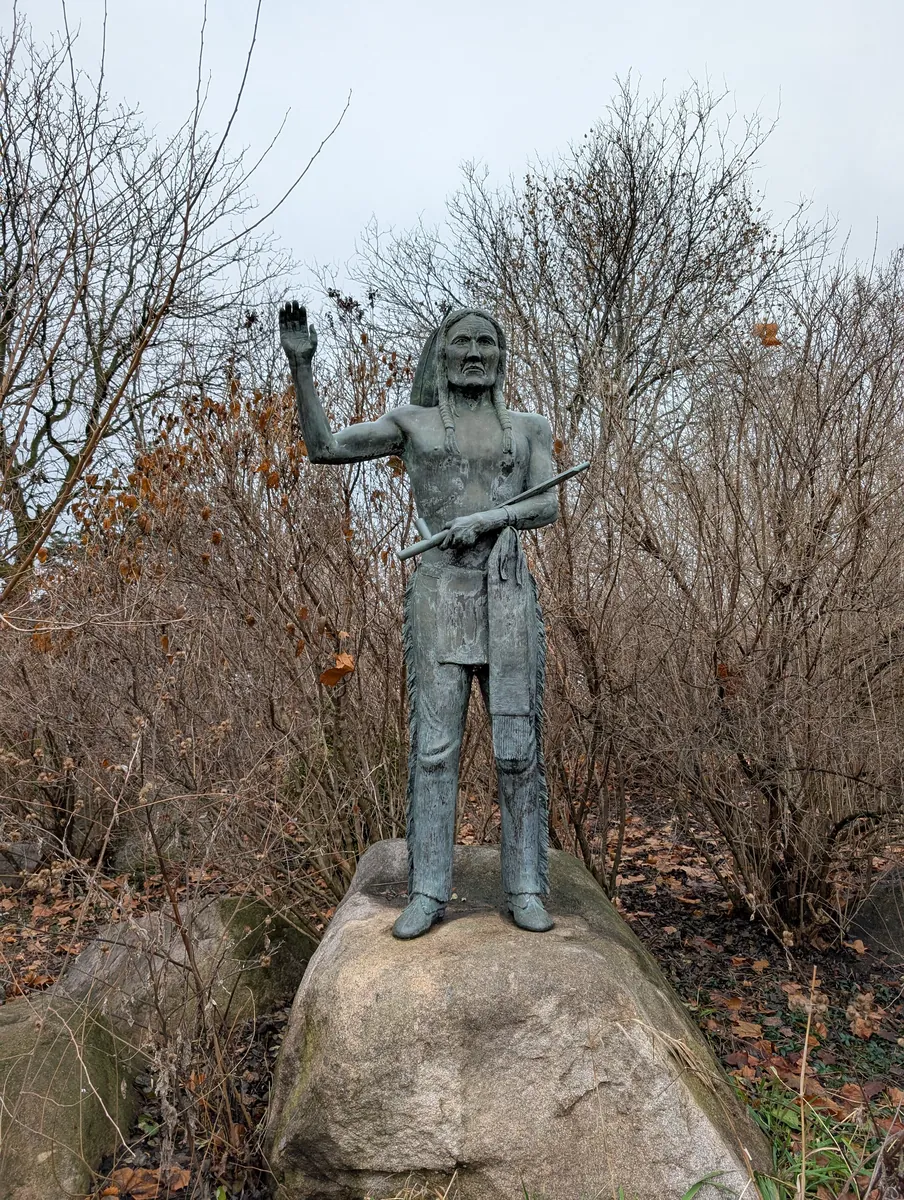
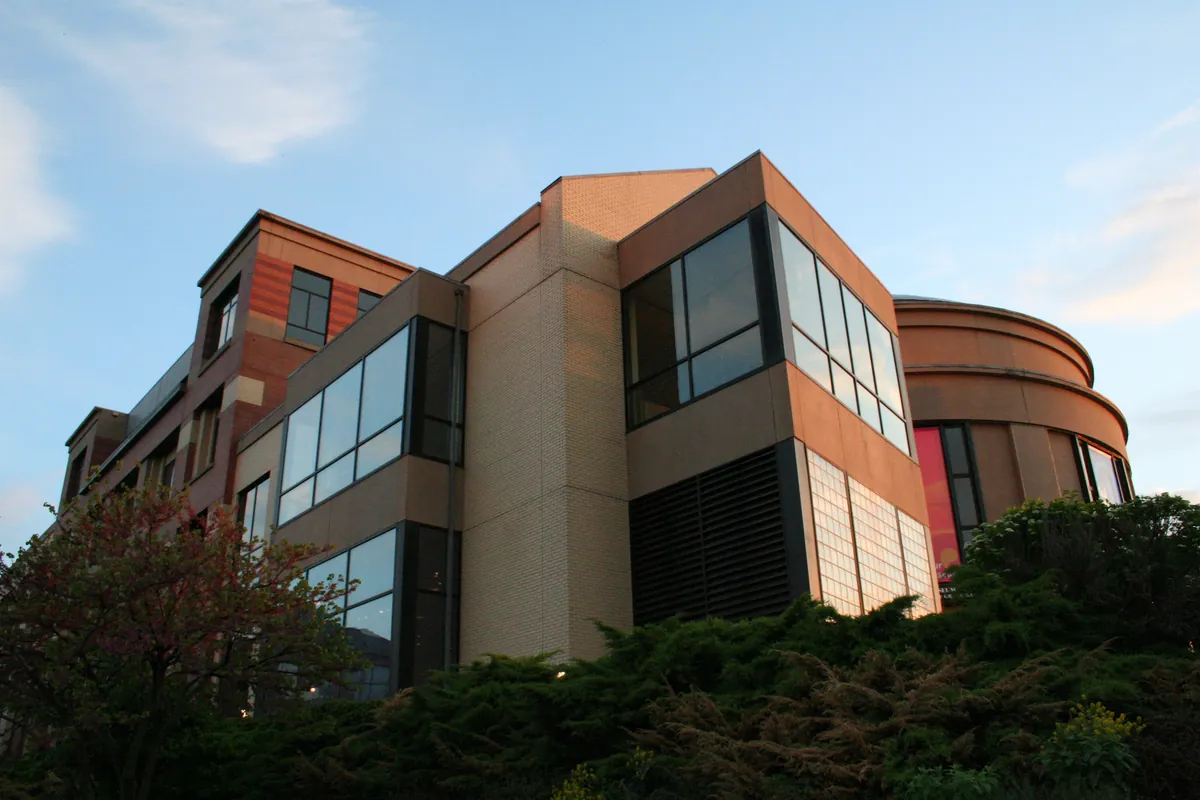
The Grand River stopped ships 25 miles short of Lake Michigan, and that bottleneck made everything. The Odawa and Potawatomi were here first — Ah-Nab-Awen, the "resting place" in Anishinaabe, marks the ground they occupied long before European contact. In 1806, Joseph and Madeline La Framboise built the first European-American trading post in West Michigan on the river. After Joseph died, Madeline kept the operation running, eventually merging with the American Fur Company. Then came Louis Campau in 1826 — trading post, blacksmith shop, 72 acres bought from the federal government for $90 — and the place had a founder. The city that grew from that transaction would become a lumber processor, then a furniture capital, then a craft-beer destination. But the original logic never changed: a river that stopped you in your tracks, and people who decided to stay.