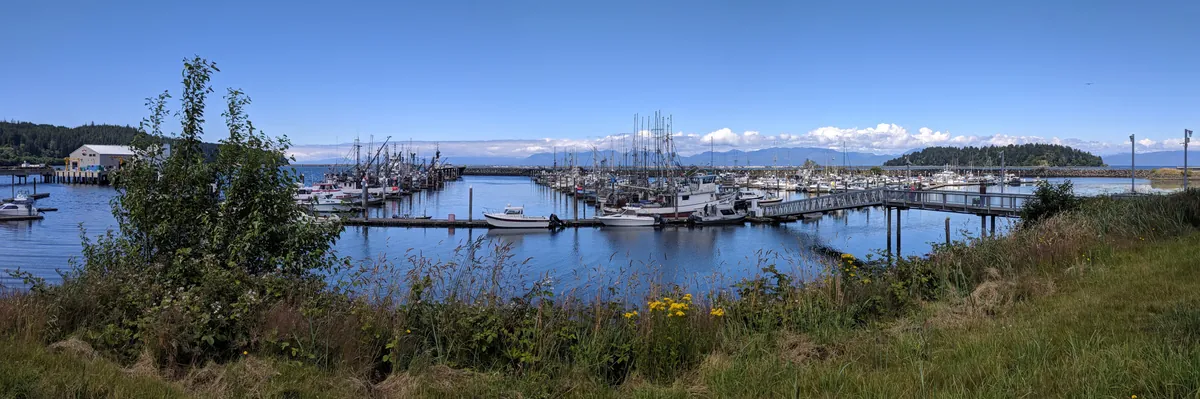
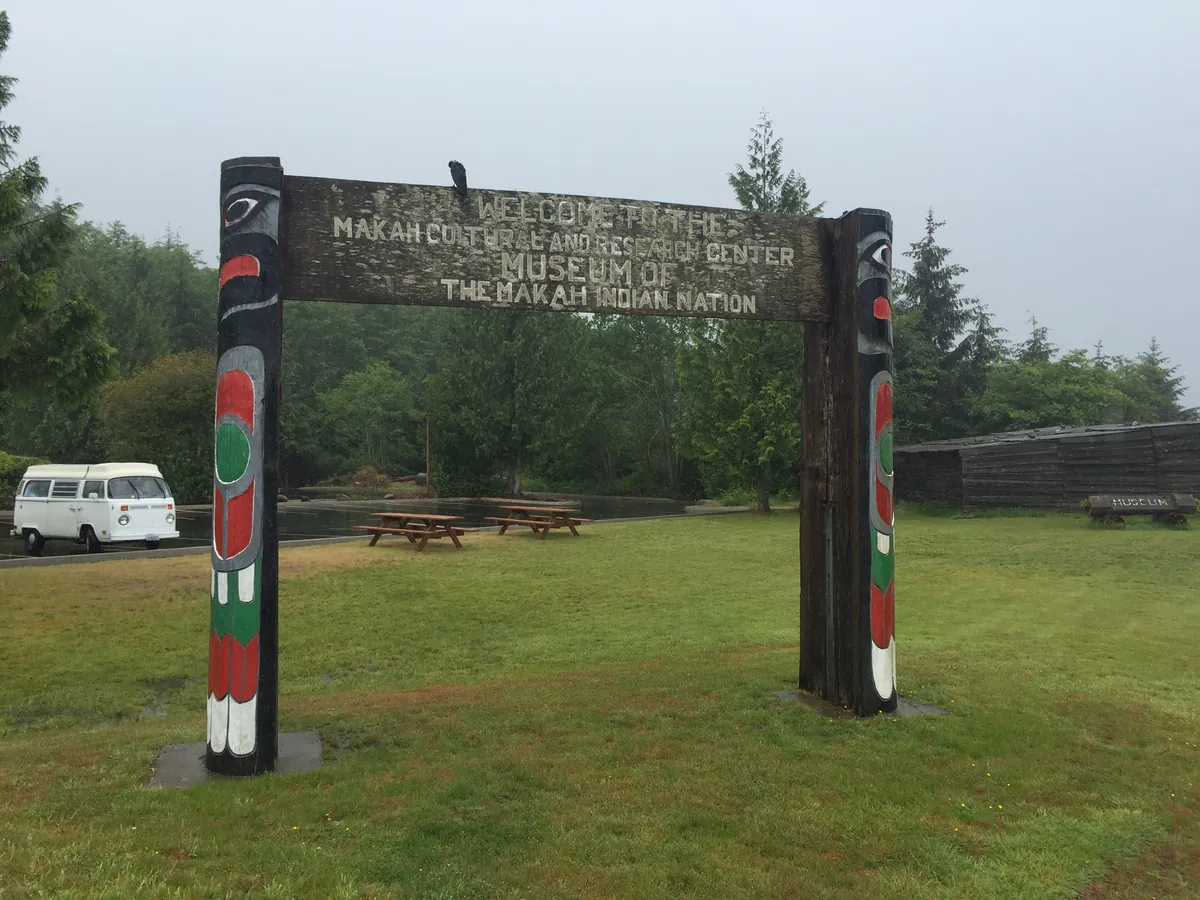
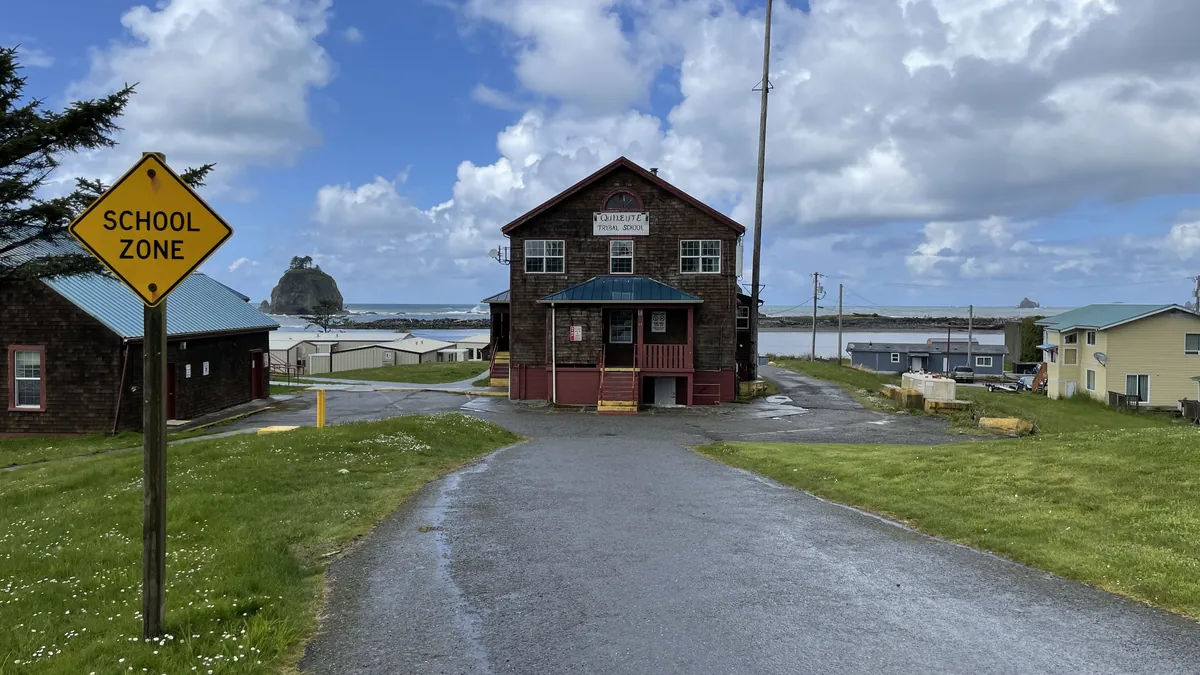
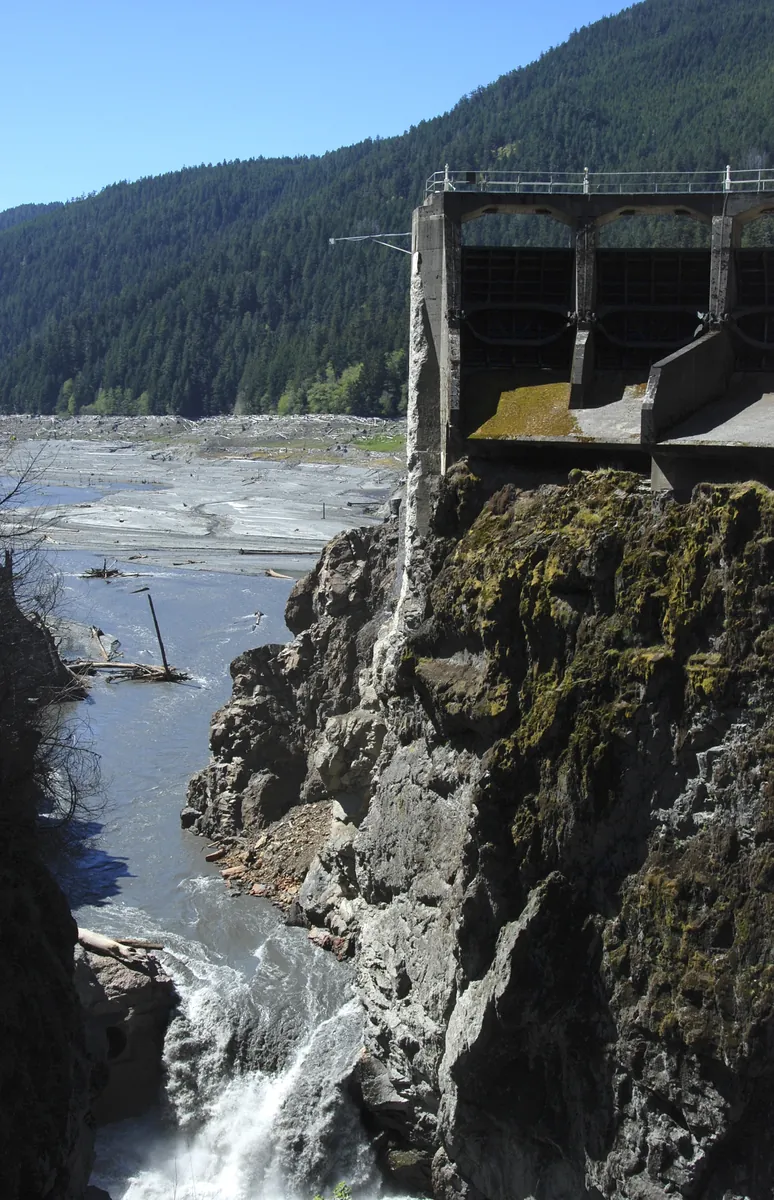
Around 1750, a mudslide buried a Makah coastal village at Lake Ozette whole — sealing it so completely that what archaeologists eventually pulled from the ground included canoes, basketry, and whaling gear from a pre-contact world the NPS now calls the North American Pompeii. That material lives today at the Makah Cultural and Research Center in Neah Bay, opened in 1979 under tribal chairman Edward Eugene Claplanhoo, still managed by the tribe. Forty miles south at La Push, the Quileute have held this stretch of coast for at least 8,000 to 9,000 years; in 1889, a settler burned all twenty-six houses there, destroying regalia, baskets, and carved masks in a single act. The language went dormant in 1999. It is being taught again, with a language and culture app released in 2021. On the Elwha, two dams built in the early 1900s reduced salmon returns from an estimated 392,000 annually to fewer than 3,000. Both dams are gone now. The river flows free.