Top picks in The Olympic Peninsula
The places most worth your time here.
Connect your Cour circle to see which places friends and family recommend here.
Connect Cour →Landmarks
53 places worth the detour

tap the eye to open · swipe or use buttons to browse
The Olympic Peninsula occupies the far northwestern corner of the contiguous United States with the deliberate completeness of a fortress. The Pacific Ocean holds its western flank. The Strait of…
Read the full storyReading
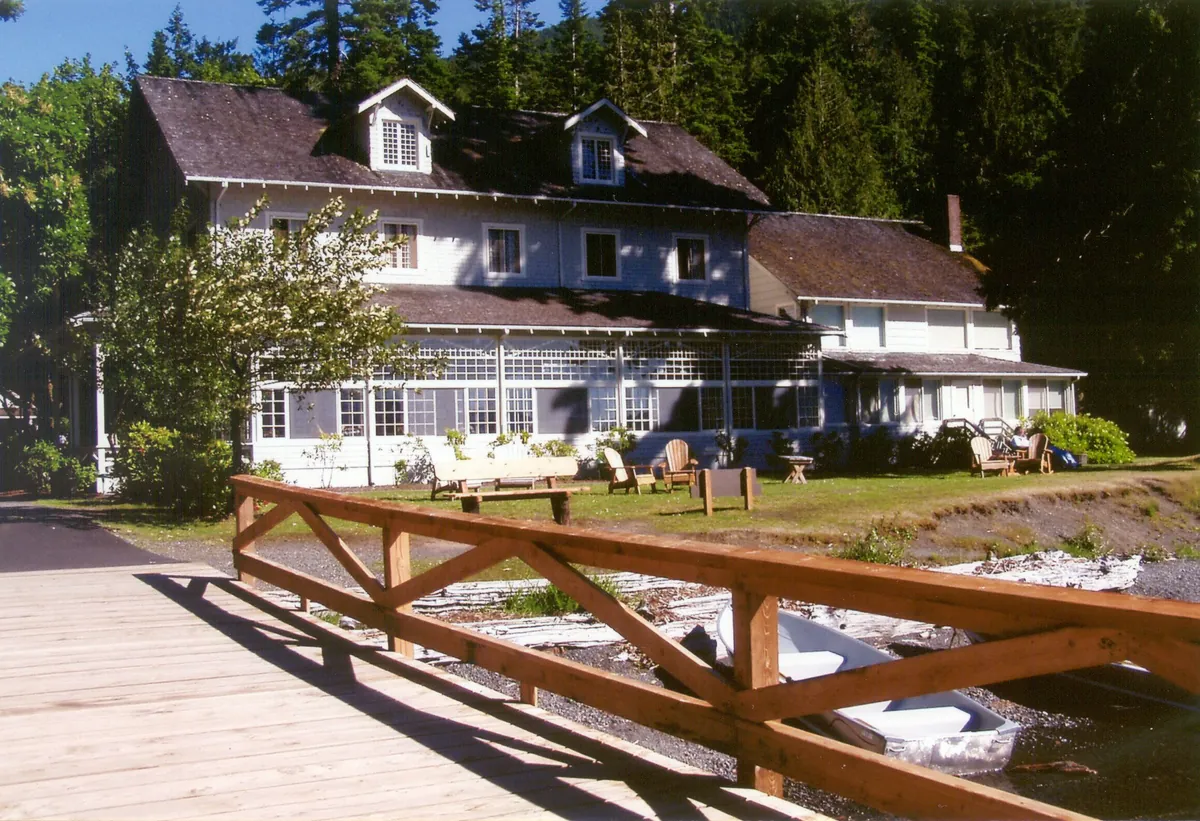
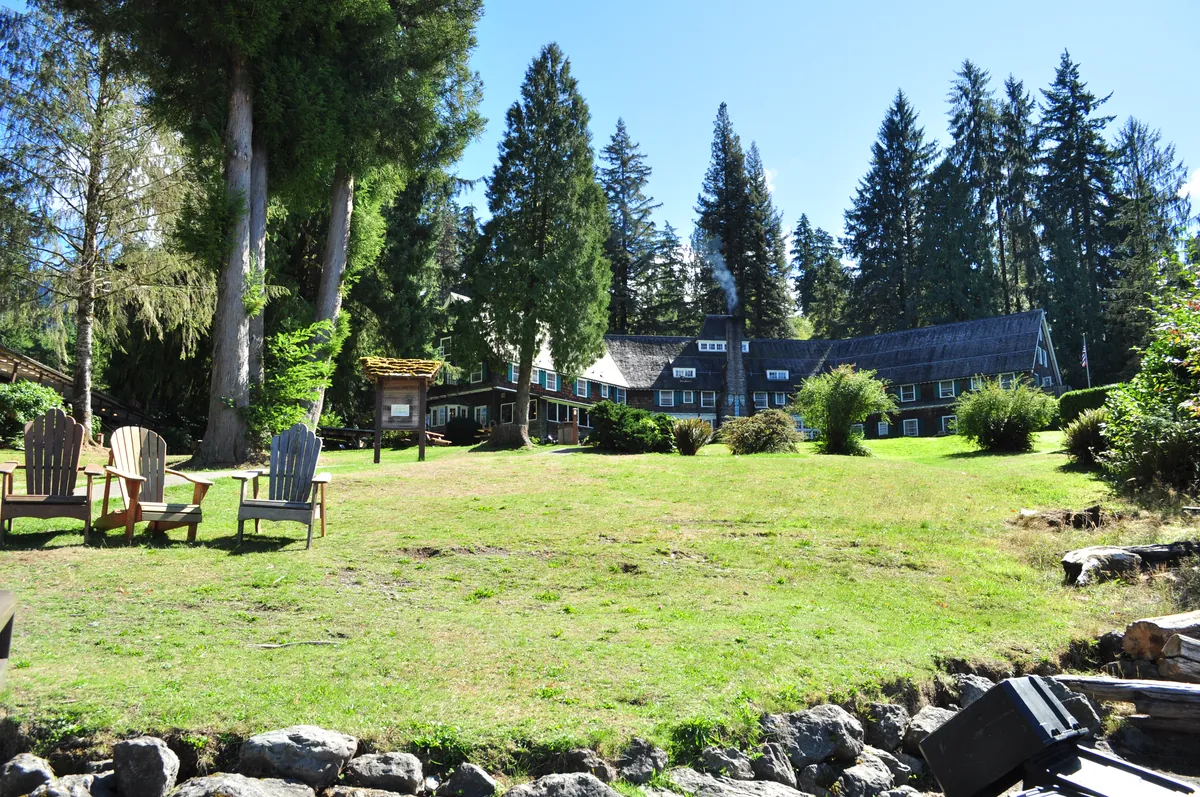
In 1788, a British mariner looked at a peak on the far edge of the known world and named it after the home of the gods. Captain John Meares had never set foot on Mount Olympus — and for another century, neither had anyone else. The interior of the Olympic Peninsula was among the last unmapped places in the contiguous United States; O'Neil's 1885 reconnaissance was cut short by orders, and the Seattle Press Expedition spent six months crossing the mountains in 1889–90 through terrain with no roads. When Theodore Roosevelt set aside the national monument in 1909, he named the elk as a reason — a species already disappearing. When Franklin Roosevelt stood at Lake Crescent Lodge in 1937 and told assembled officials *I am thinking 50 years ahead*, Congress moved. Nine months later, the park was law, drawn large enough to take in the old-growth rainforest the monument had left out.
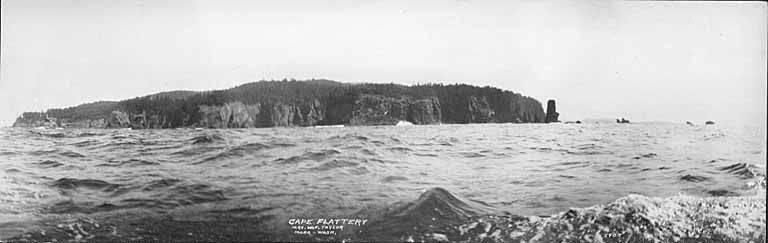
Before Europeans had mapped the interior of the Olympic Peninsula — much of it still uncharted into the 1890s — they had already staked the edges. Cape Flattery Light went active on December 28, 1857, on Tatoosh Island, half a mile off the northwesternmost point of the peninsula, on land belonging to the Makah, whose people had fished these waters in seasonal camps long before any lighthouse keeper arrived. Fifty miles east, the octagonal tower at Point Wilson has stood since 1914, its original fourth-order Fresnel lens marking the exact turn where the Strait of Juan de Fuca narrows into Admiralty Inlet — a passage the Chimacum knew as Kam-kam-ho. Between them, the New Dungeness Lighthouse stands five miles out on a spit, kept today by volunteers who have given more than 100,000 hours since 1994. Three lights. The strait they mark has never stopped moving ships.
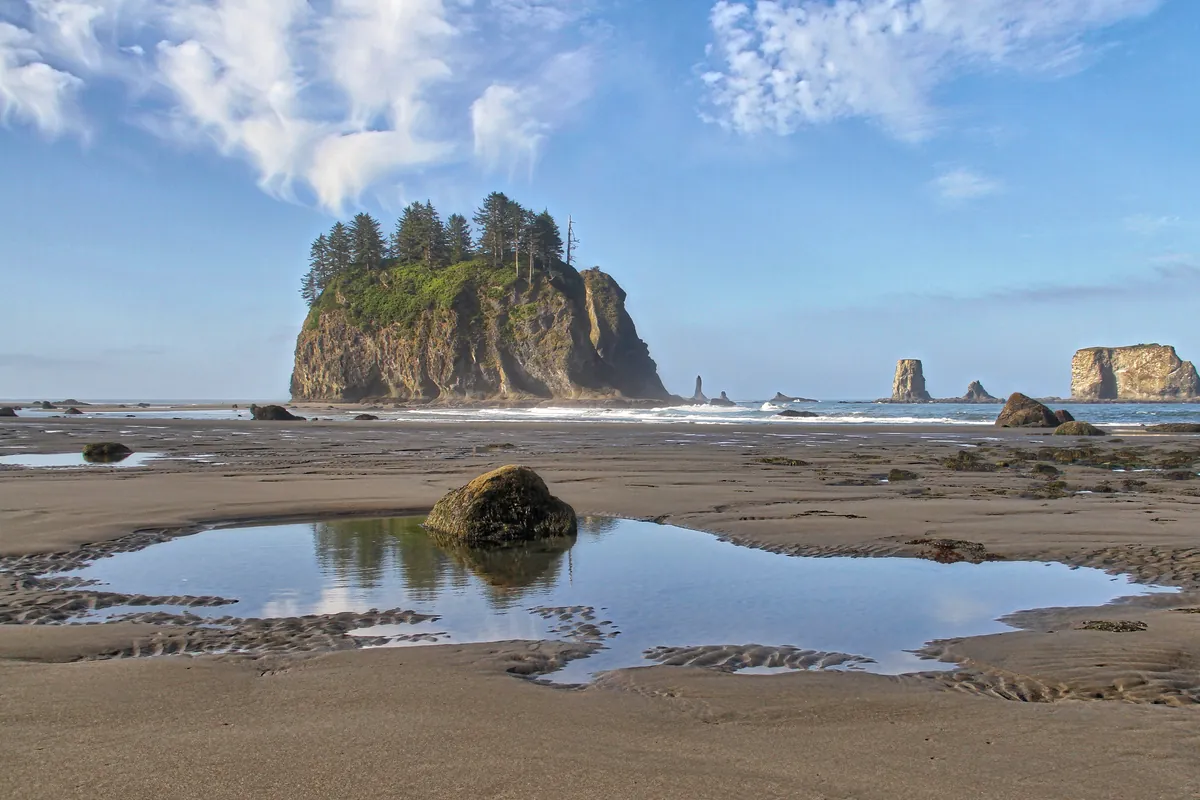
The Olympic Mountains split this peninsula into two entirely different worlds — and they sit an hour's drive apart. On the west side, the Hoh Rain Forest receives 140 to 170 inches of rain annually, feeding a temperate rainforest the NPS calls one of the finest remaining in the United States. The Quinault Valley catches seventeen feet of rain a year and holds world-record specimens of western red cedar, Sitka spruce, western hemlock, Alaskan cedar, and mountain hemlock — plus five of the ten largest Douglas-firs on earth. Drive east toward Sequim, and the mountains have blocked most Pacific rainfall before it arrives, leaving the valley with less than 16 inches per year. Local farmers noticed in the mid-1990s and planted lavender; more than two dozen farms line that valley now. Same peninsula, same sky, entirely different planet.
Around 1750, a mudslide buried a Makah coastal village at Lake Ozette whole — sealing it so completely that what archaeologists eventually pulled from the ground included canoes, basketry, and whaling gear from a pre-contact world the NPS now calls the North American Pompeii. That material lives today at the Makah Cultural and Research Center in Neah Bay, opened in 1979 under tribal chairman Edward Eugene Claplanhoo, still managed by the tribe. Forty miles south at La Push, the Quileute have held this stretch of coast for at least 8,000 to 9,000 years; in 1889, a settler burned all twenty-six houses there, destroying regalia, baskets, and carved masks in a single act. The language went dormant in 1999. It is being taught again, with a language and culture app released in 2021. On the Elwha, two dams built in the early 1900s reduced salmon returns from an estimated 392,000 annually to fewer than 3,000. Both dams are gone now. The river flows free.
Before you go
The Elwha Dam built, then torn down — Port Angeles, salmon, and wreckage across 120 years. The Peninsula is the protagonist.
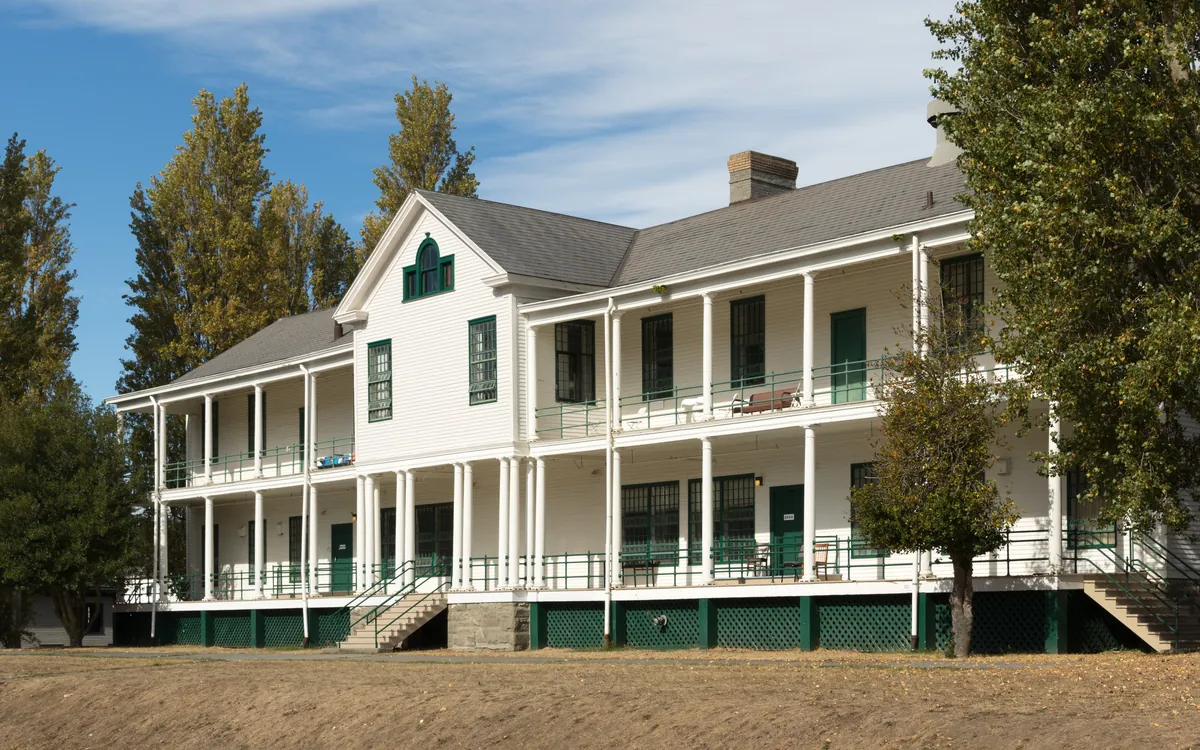
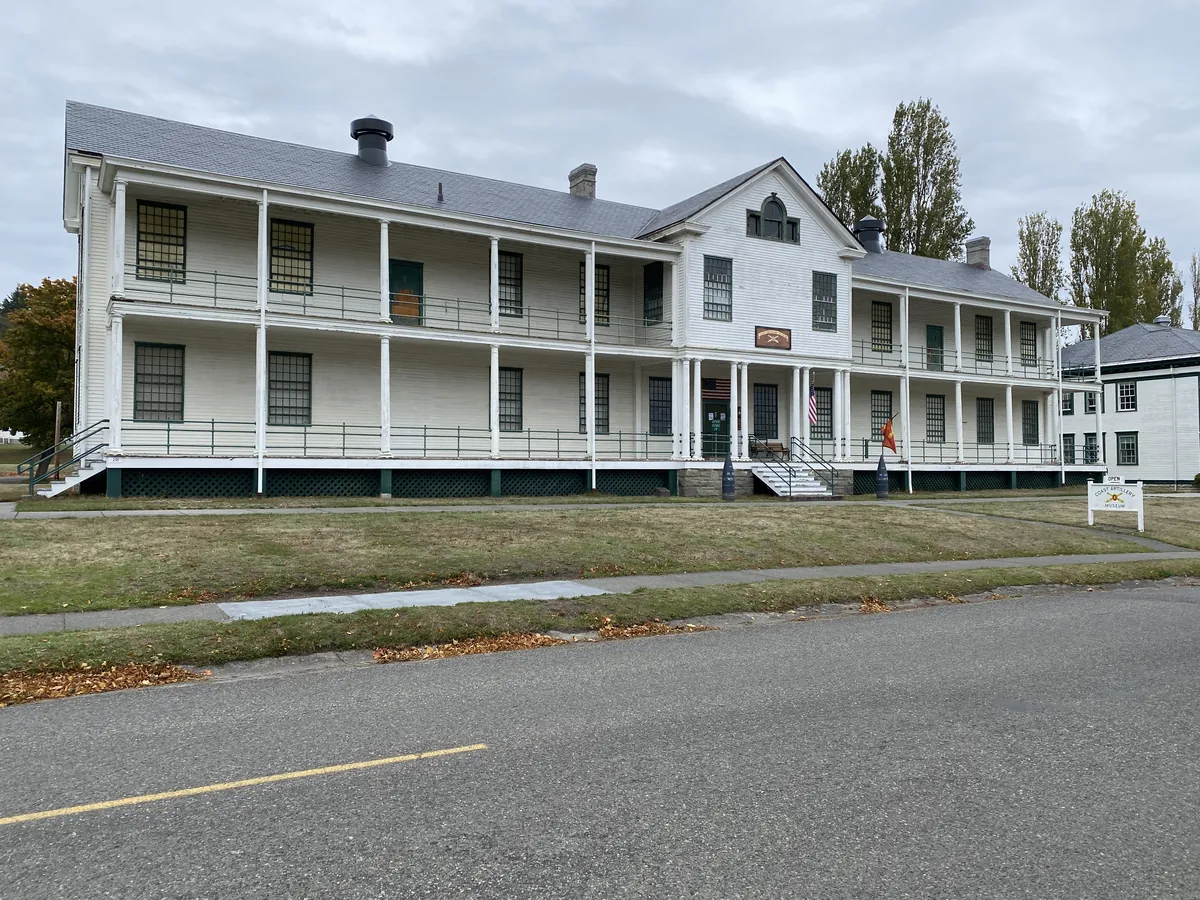
Fort Worden and Port Townsend aren't backdrop — they're the whole weight of the story. The base still stands.
Plan your trip
The only thing left to do is go.
Some of these are partner links — if you book through them, Portage may earn a commission at no extra cost to you.
Editorial content compiled with AI assistance. Place details verified against public records.