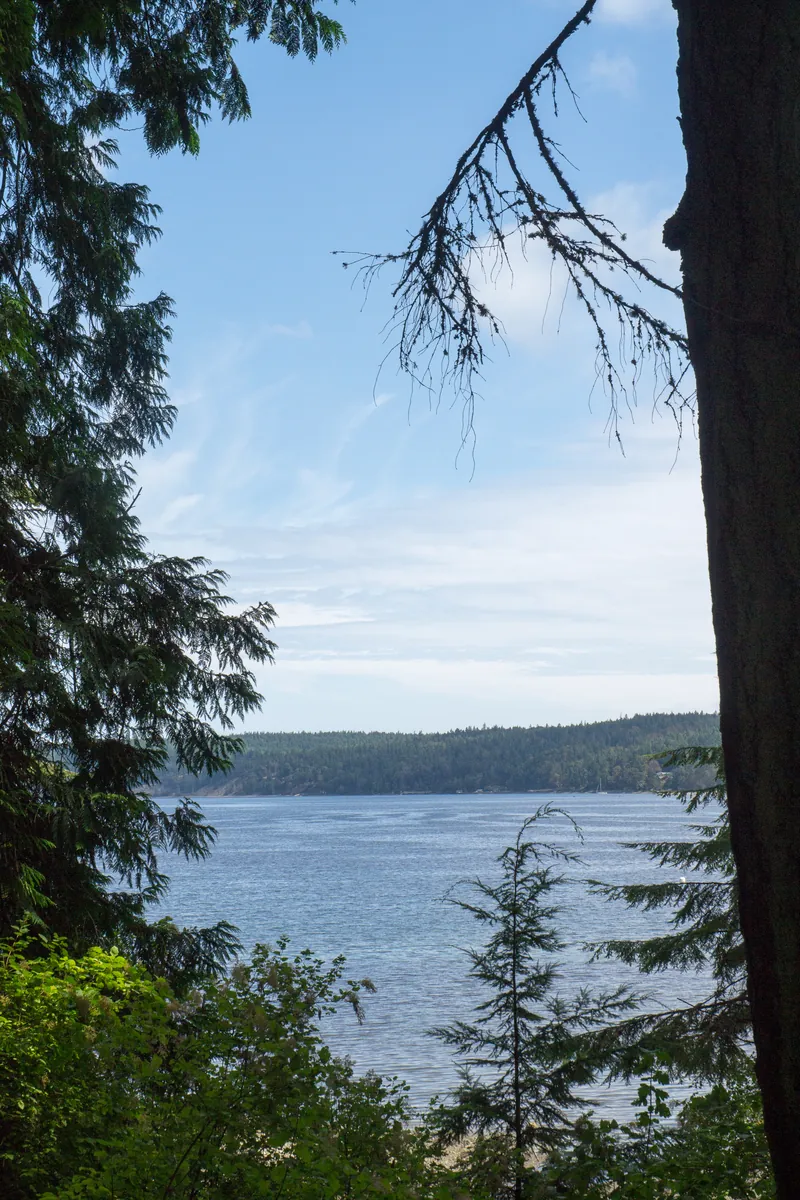
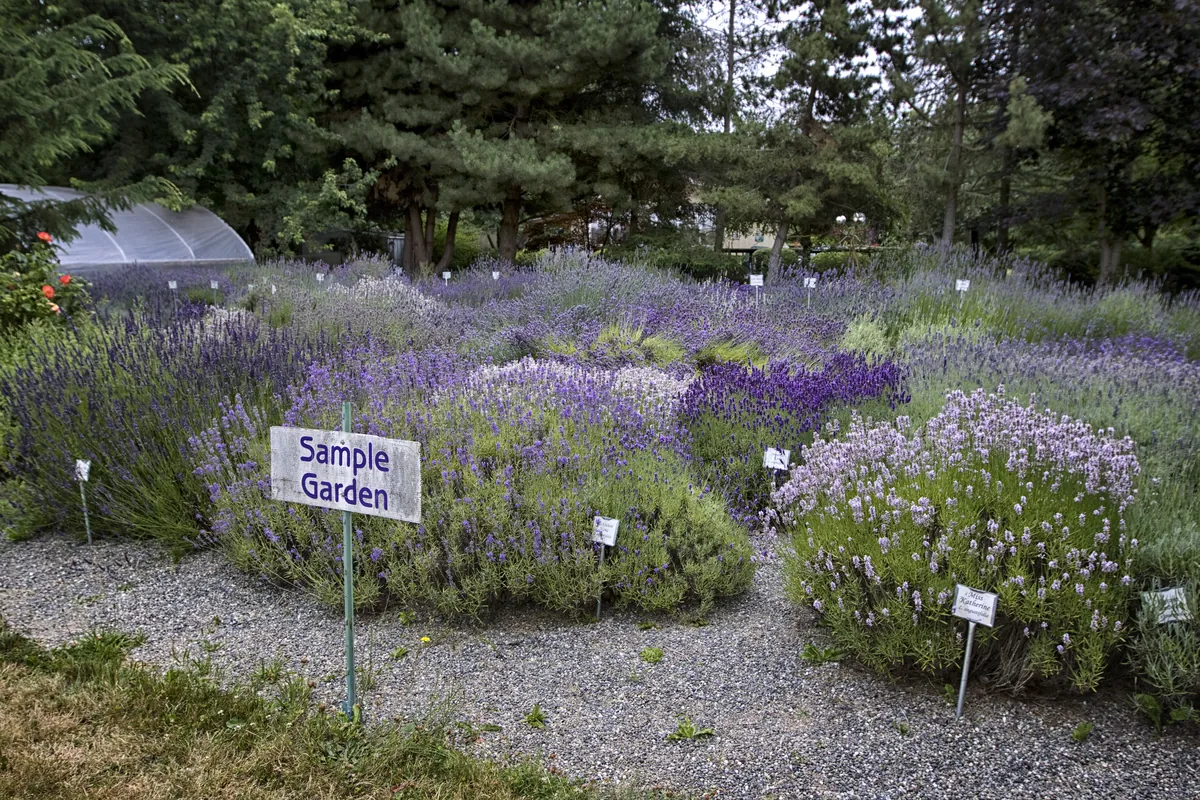
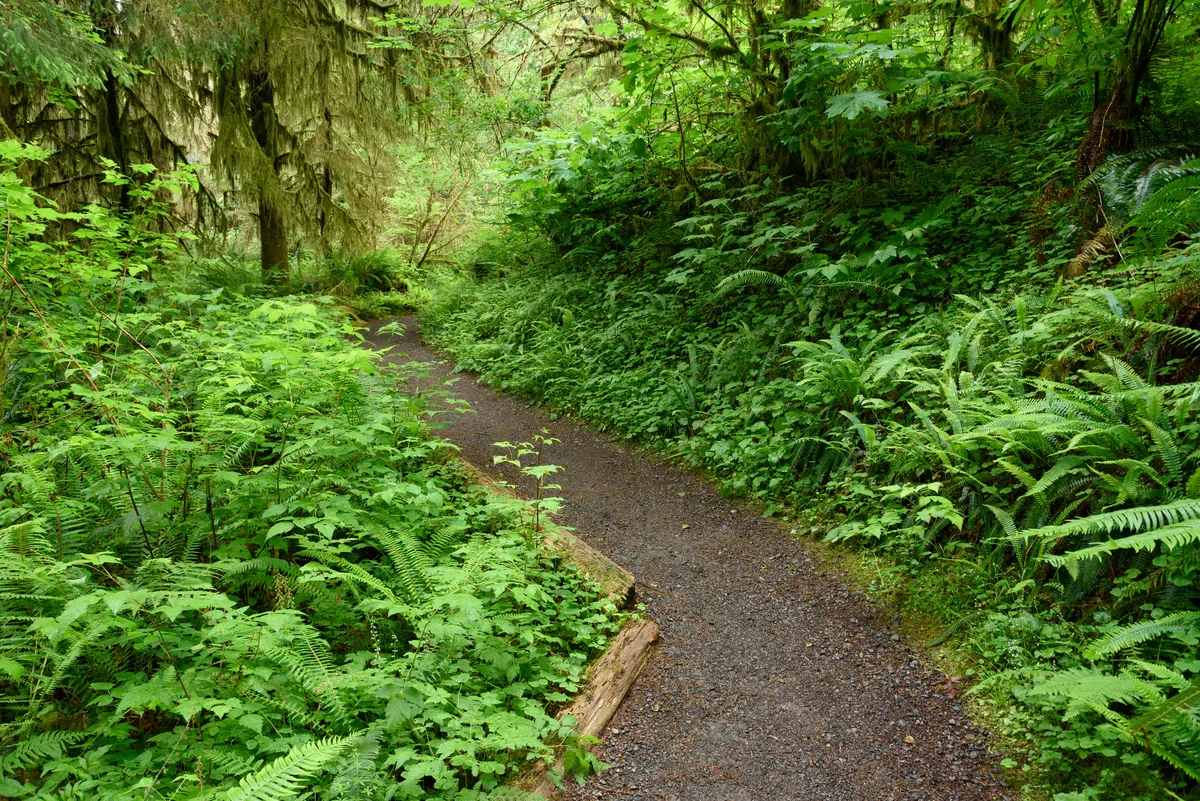
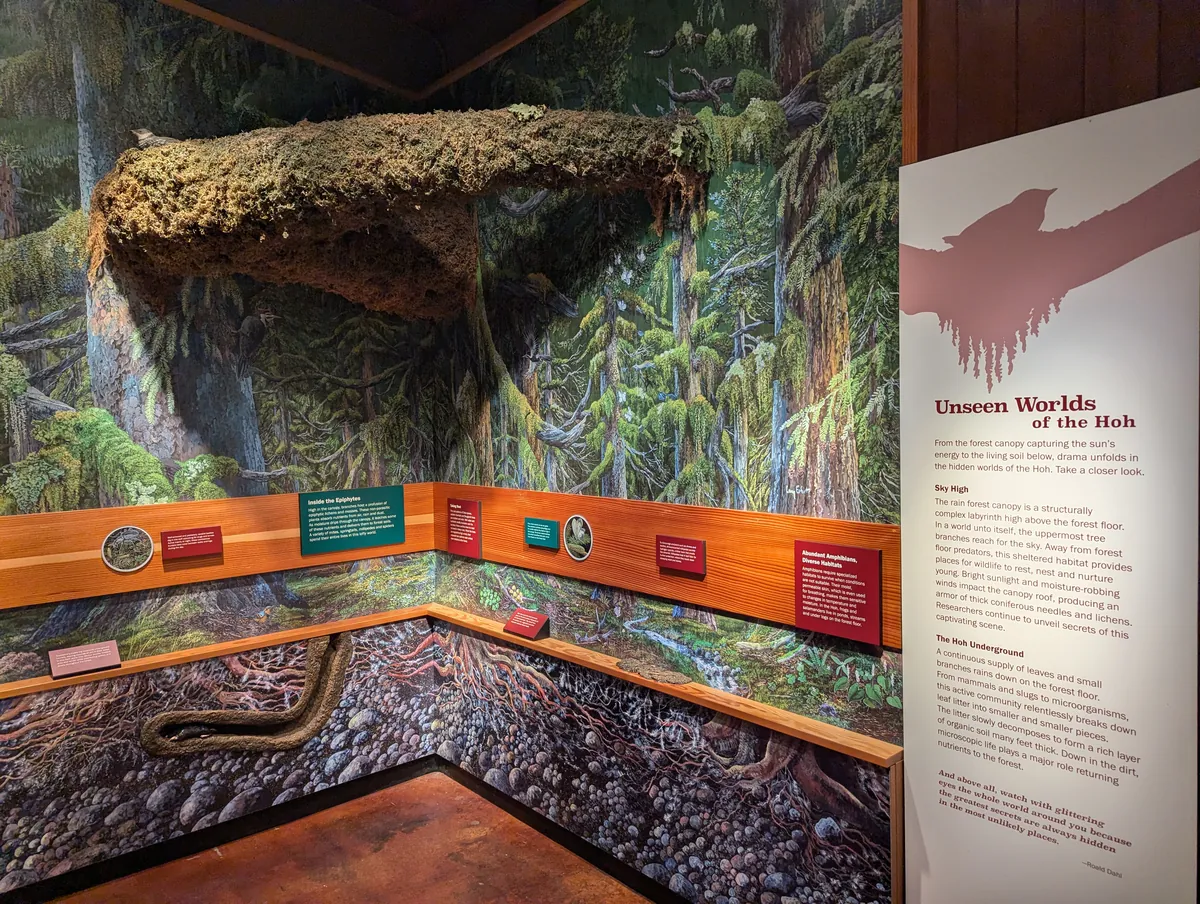
The Olympic Mountains split this peninsula into two entirely different worlds — and they sit an hour's drive apart. On the west side, the Hoh Rain Forest receives 140 to 170 inches of rain annually, feeding a temperate rainforest the NPS calls one of the finest remaining in the United States. The Quinault Valley catches seventeen feet of rain a year and holds world-record specimens of western red cedar, Sitka spruce, western hemlock, Alaskan cedar, and mountain hemlock — plus five of the ten largest Douglas-firs on earth. Drive east toward Sequim, and the mountains have blocked most Pacific rainfall before it arrives, leaving the valley with less than 16 inches per year. Local farmers noticed in the mid-1990s and planted lavender; more than two dozen farms line that valley now. Same peninsula, same sky, entirely different planet.