The Graveyard of the Atlantic — How the Treacherous Seas Shaped the Islands' Destiny
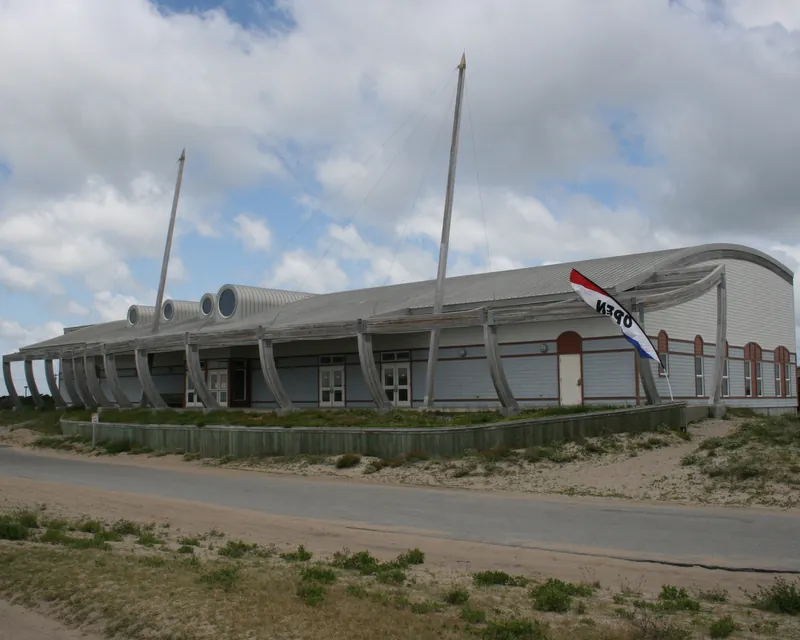
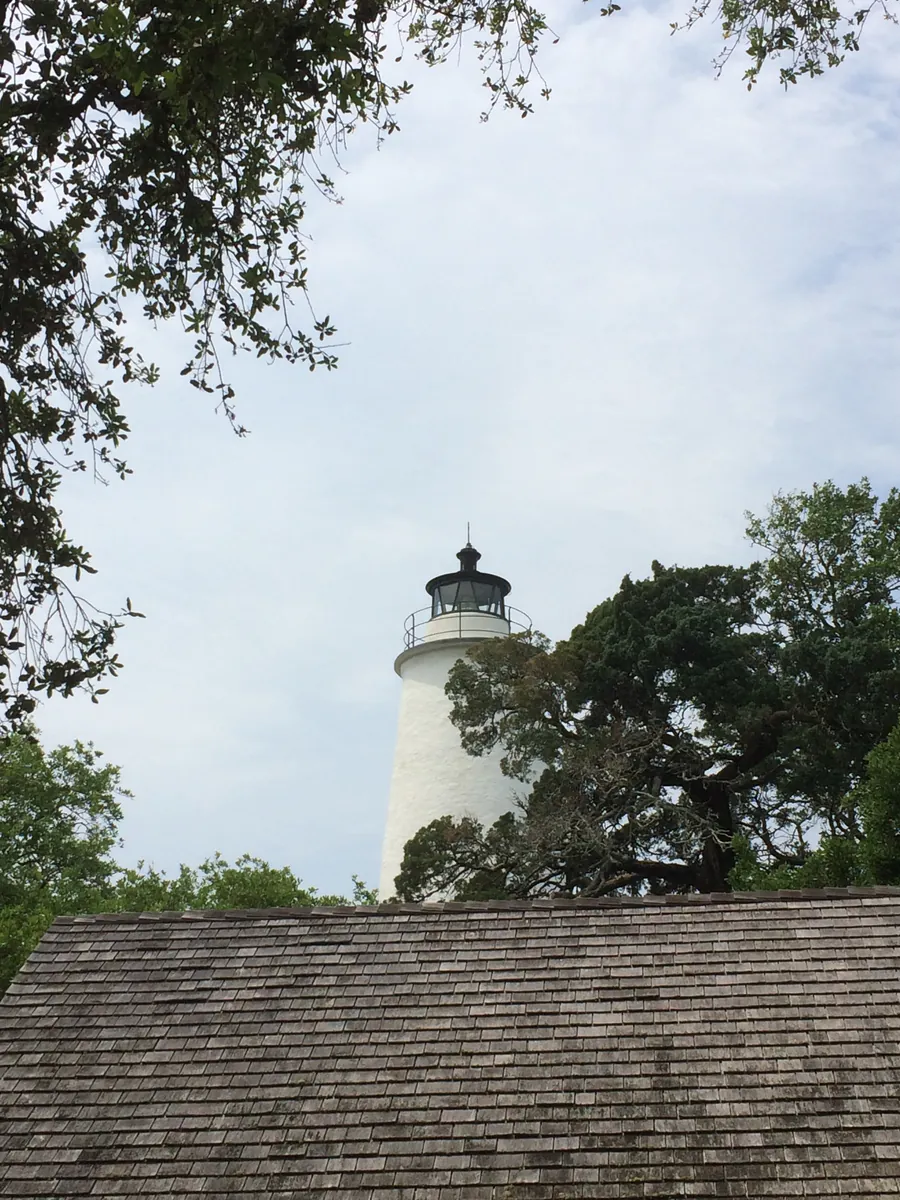
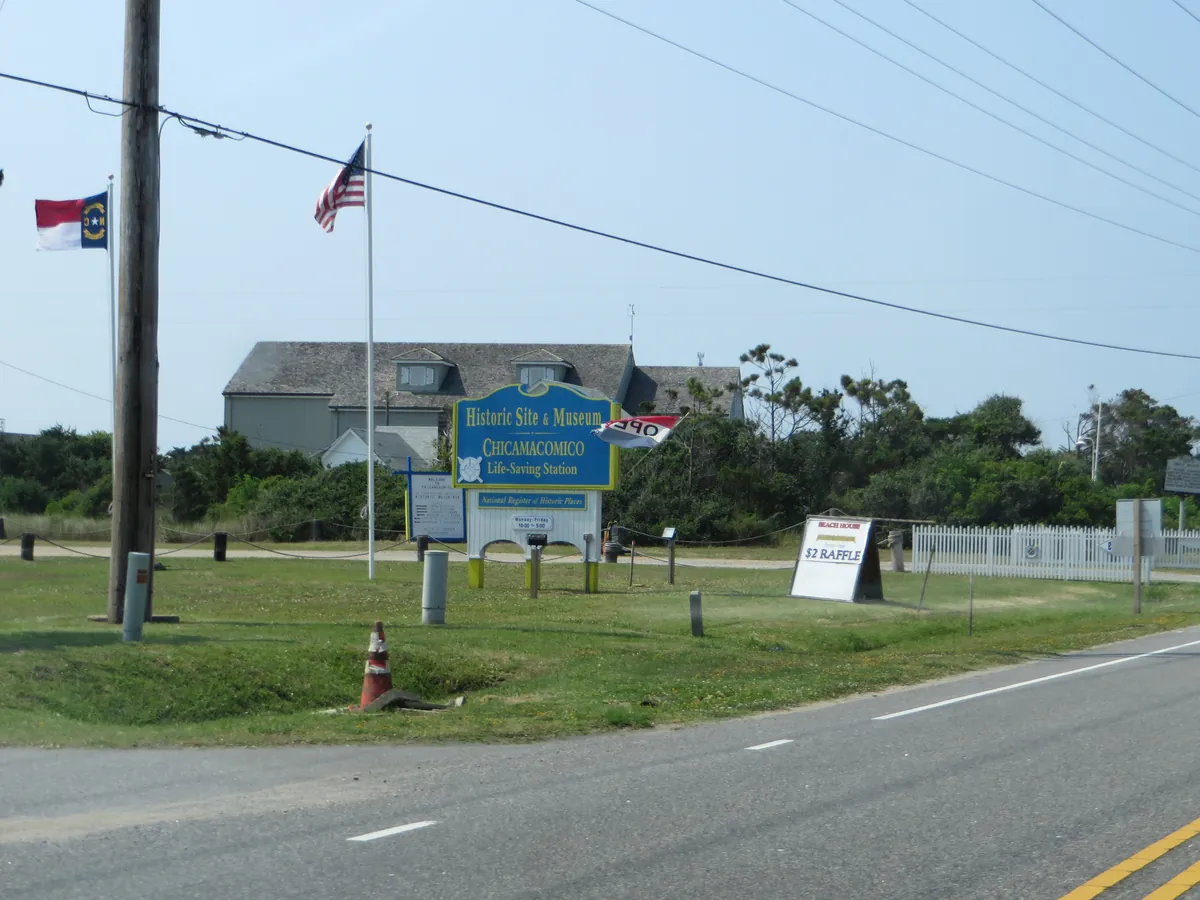
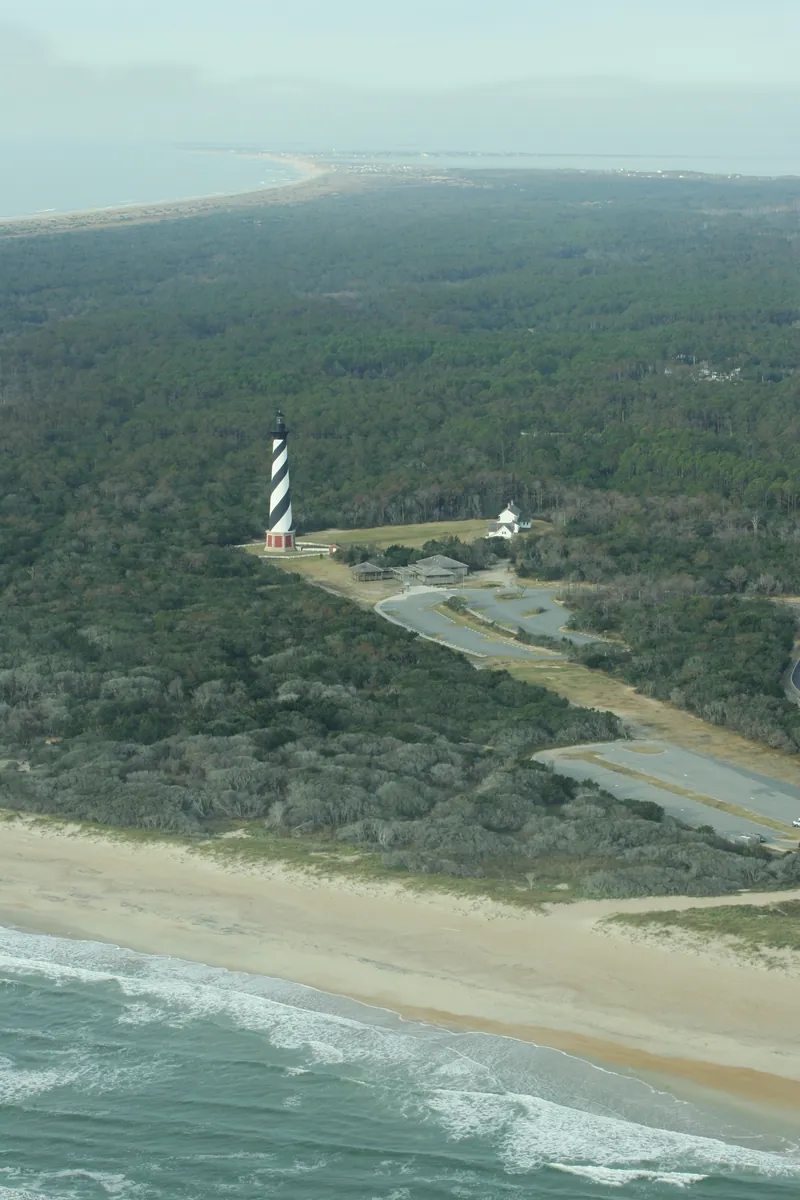
More than 5,000 ships have gone down in the waters off these barrier islands since recordkeeping began in 1526 — which is how you earn a name like the Graveyard of the Atlantic. The culprit is geography: 200 miles of shifting shoals, violent currents, and storms that have never made allowances for the ships that had to pass through anyway. The response was infrastructure. The 1823 lighthouse at Ocracoke Inlet — 75 feet of brick, still working, its beam visible 14 miles out — was one answer. The Life-Saving Service was another: in August 1918, Keeper John Allen Midgett Jr. and his crew pulled forty-two men from the burning tanker Mirlo after a German torpedo struck her offshore, an act that earned gold medals from King George V. The sea took. People built back. That negotiation is still ongoing — portions of Hatteras Island now stand at 25% of their original width.