Built on the Water's Edge: How Coastal Ports and Piers Defined Early Commerce and Modern Recreation
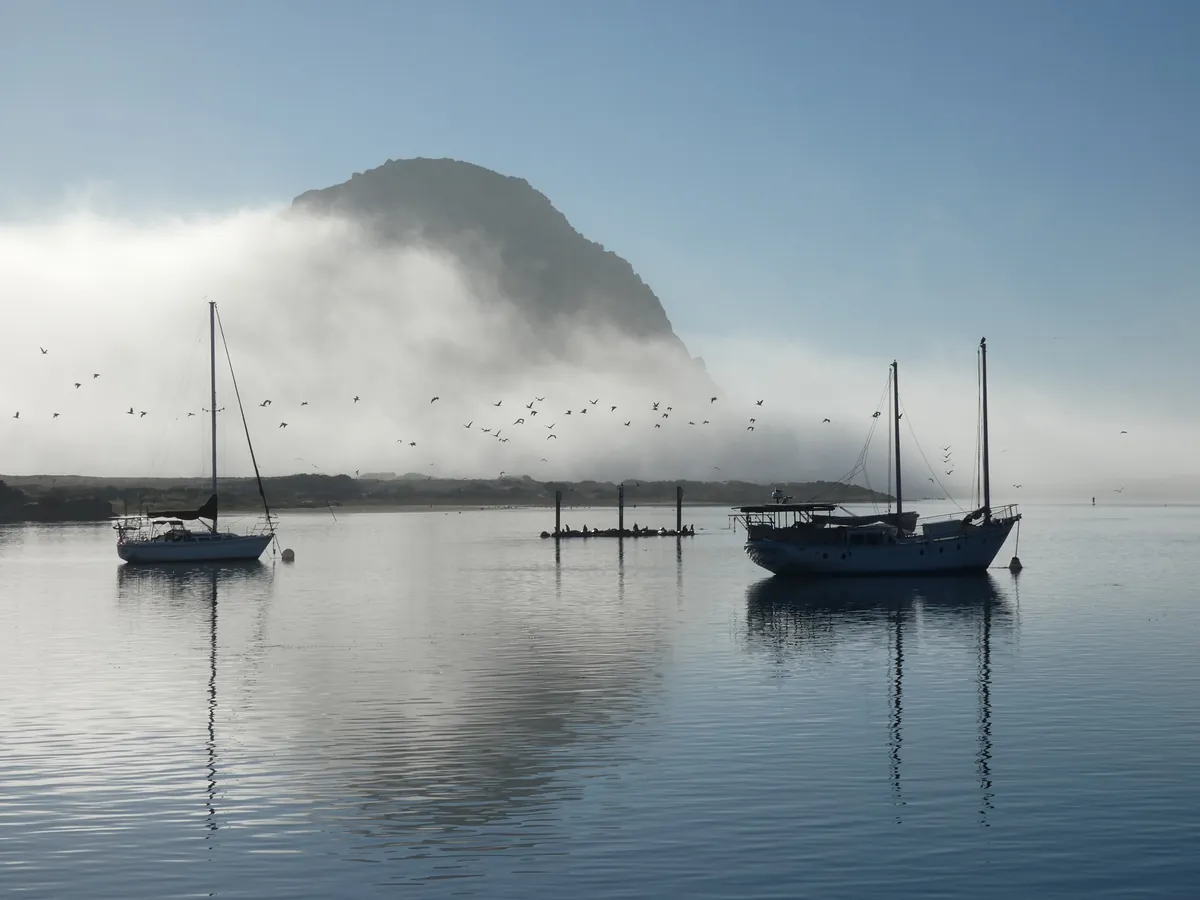
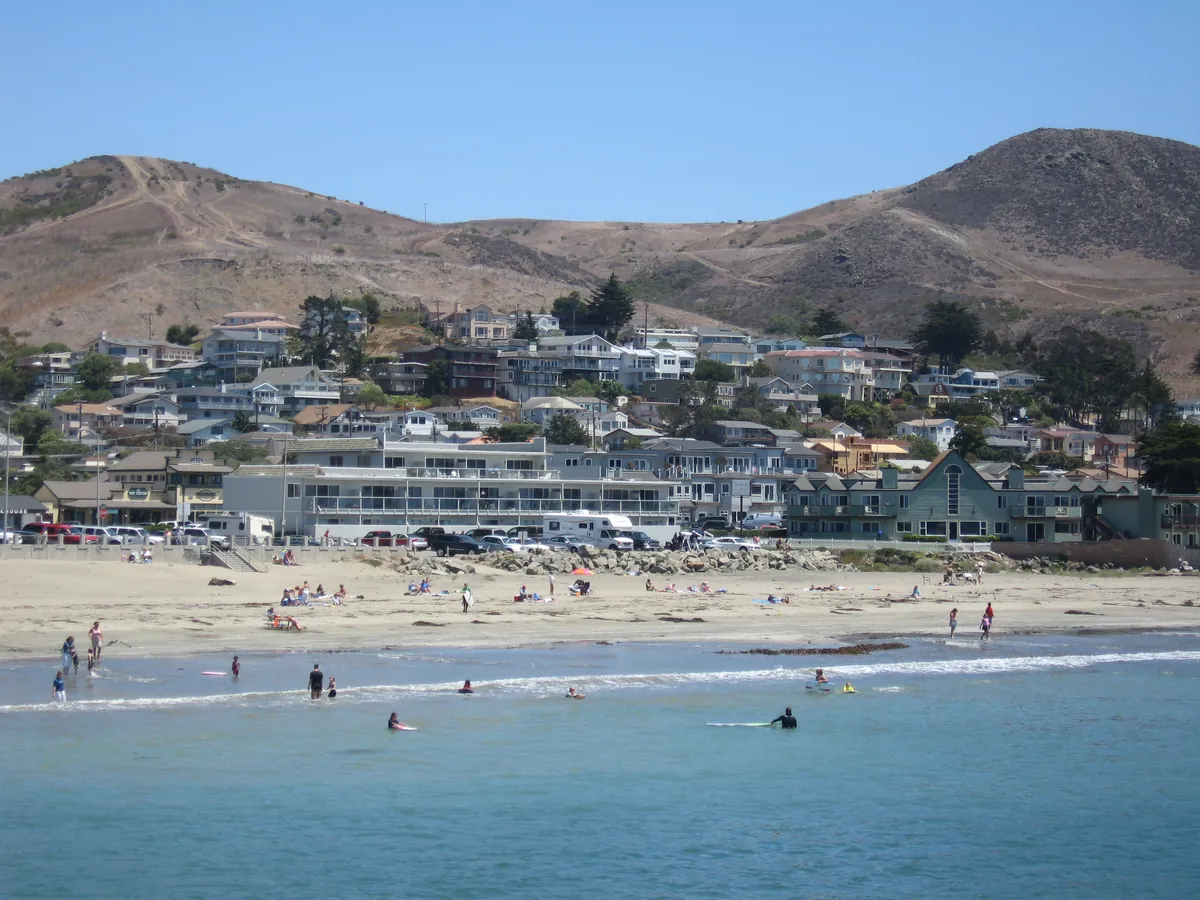
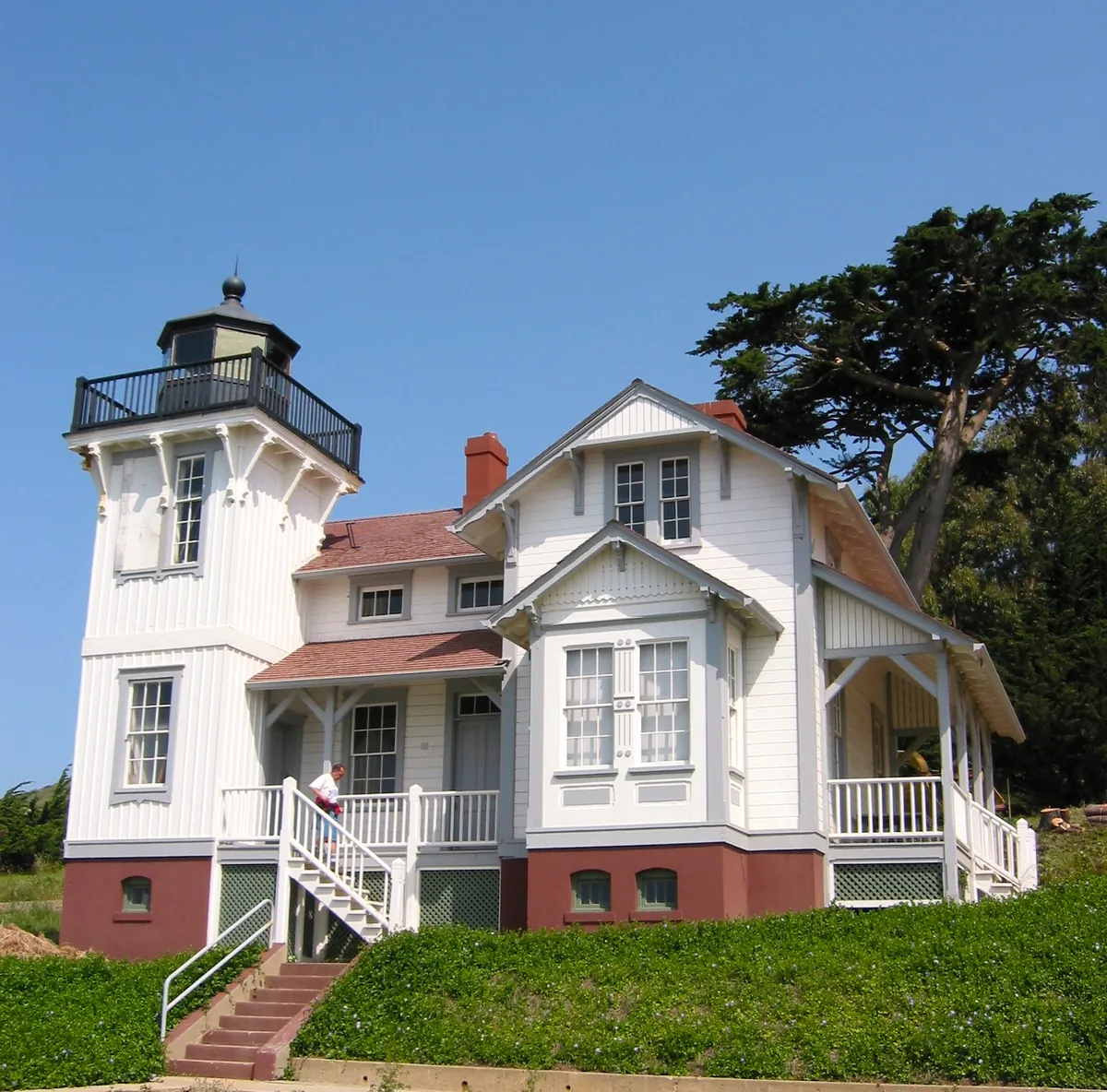
Franklin Riley founded Morro Bay in 1870 to move wool, potatoes, barley, and dairy off Central Coast ranches and onto schooners — the Embarcadero was always a working calculation, not a scenic one. Up the coast at Cayucos, Captain James Cass built his own pier and warehouse for the same purpose, until a storm took it. The replacement still stands, pulling surfers and anglers instead of cargo ships. At Port San Luis Harbor, the cost of operating without navigation was made concrete on April 29, 1888, when the Queen of the Pacific settled to the bottom in 22 feet of water, roughly 500 feet short of the pier. No lives lost, but Congress had already authorized a lighthouse in 1886, and by June 30, 1890, it was lit. That beam still carries 17 miles out. These piers didn't begin as recreation — they began as infrastructure, and the recreation arrived around what endured.