Top picks in San Luis Obispo & the Central Coast
The places most worth your time here.
Connect your Cour circle to see which places friends and family recommend here.
Connect Cour →Landmarks
48 places worth the detour
tap the eye to open · swipe or use buttons to browse
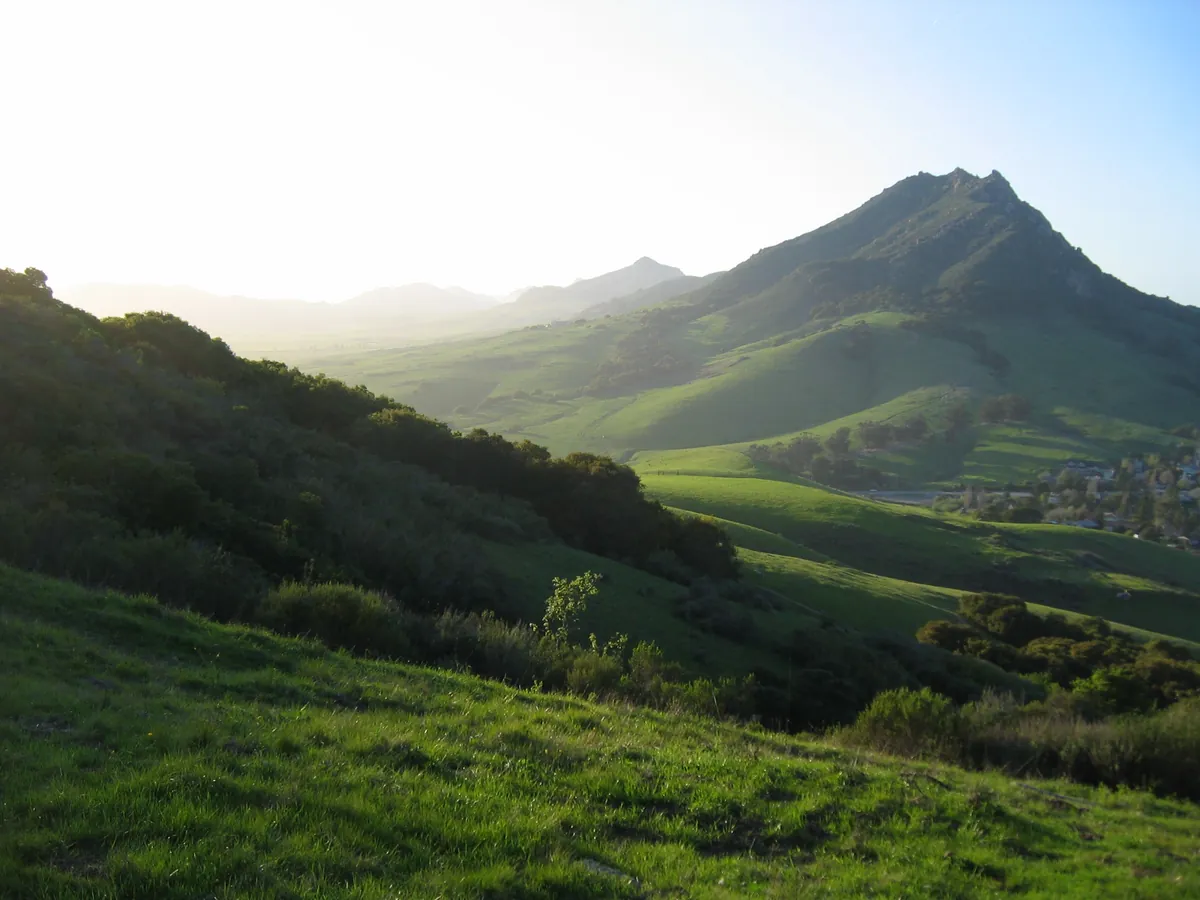
San Luis Obispo sits in a bowl between the Santa Lucia Mountains and the Pacific, roughly equidistant between San Francisco and Los Angeles — close enough to both to be a natural stopping point, far…
Read the full storyReading
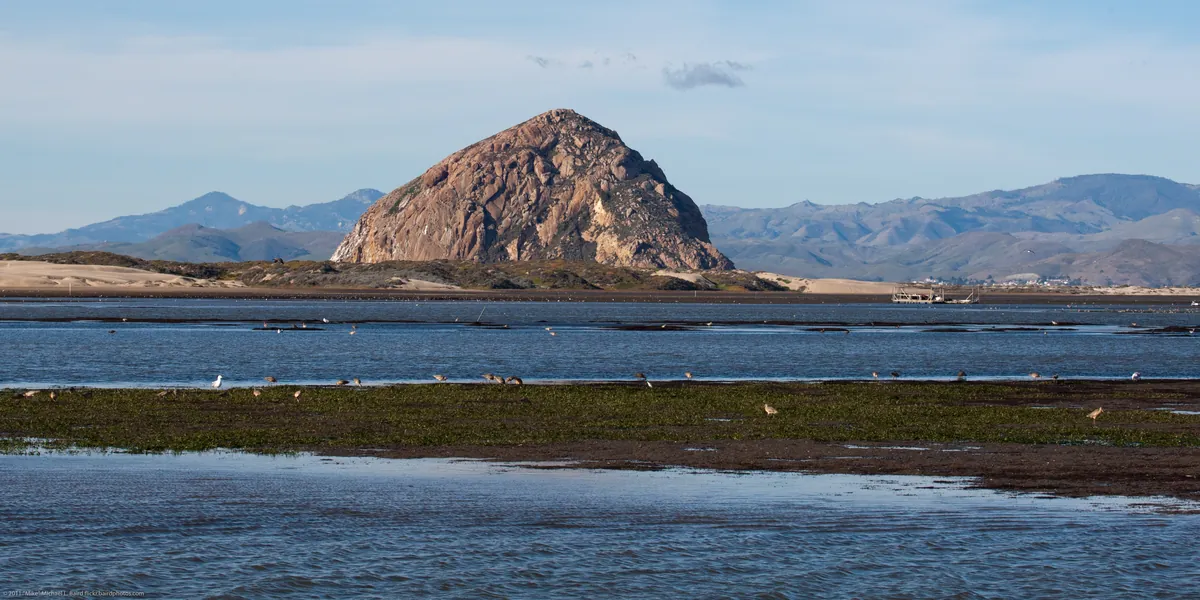
The nine volcanic plugs that shoulder up through the Central Coast were here before any name for them existed. The Chumash called the great rock at the chain's end Lisamu'; the Salinan called it Lesa'mo'. Both peoples regard it as sacred — and that is nearly the only thing they agree on. The Salinan hold the established right to climb it, tied to solstice ceremonies and a tradition that the story passed down among them explains: a hawk and a raven once destroyed the two-headed serpent Taliyekatapelta, which had coiled around the rock's base. The Chumash believe it should never be climbed at all. From 1889 to 1969, the Army Corps of Engineers blasted an estimated 250,000 tons from Morro Rock for breakwater stone. In 2022, Chumash tribal members paddled in on traditional tomols and passed recovered fragments hand to hand back to the base. The rock is still being argued over, and still being returned.
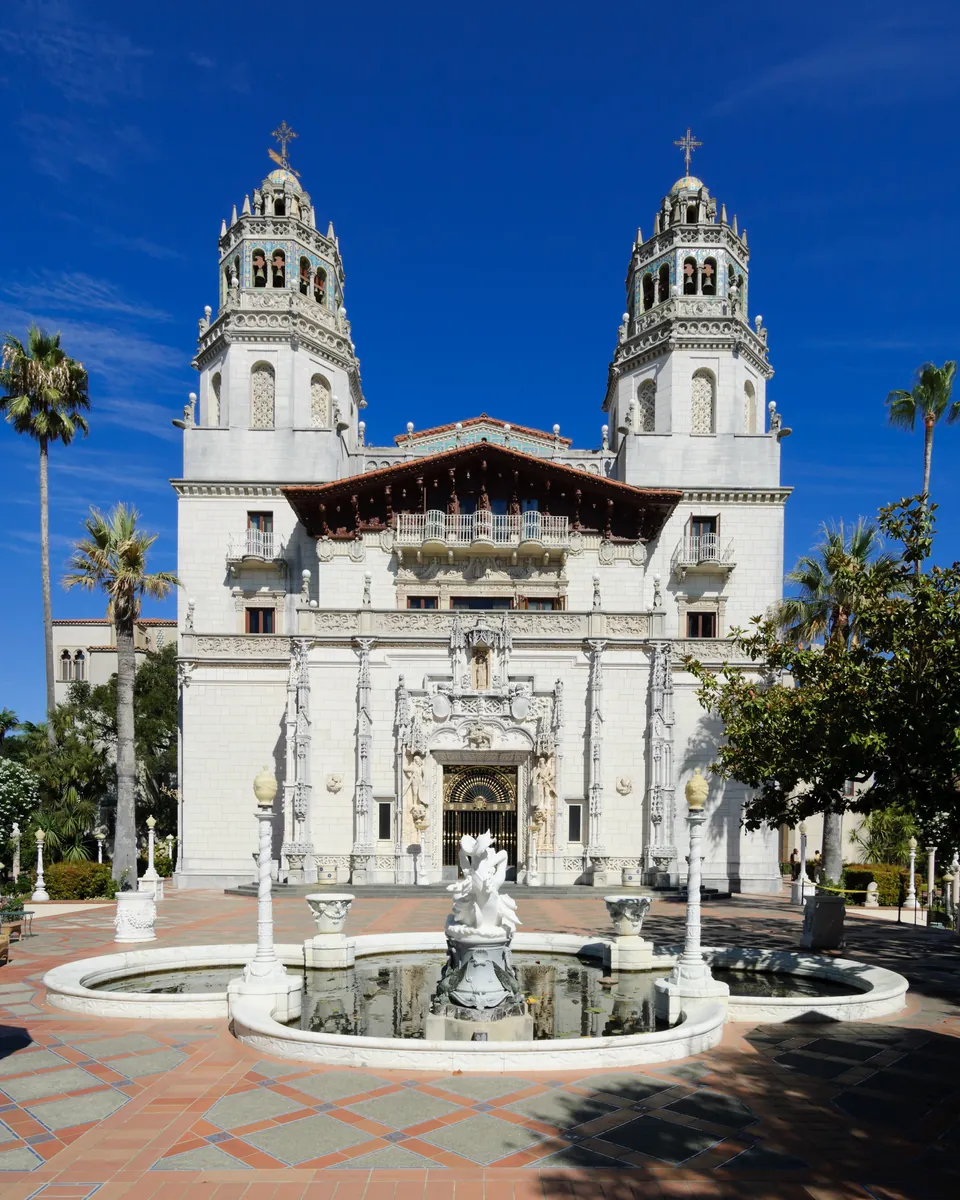
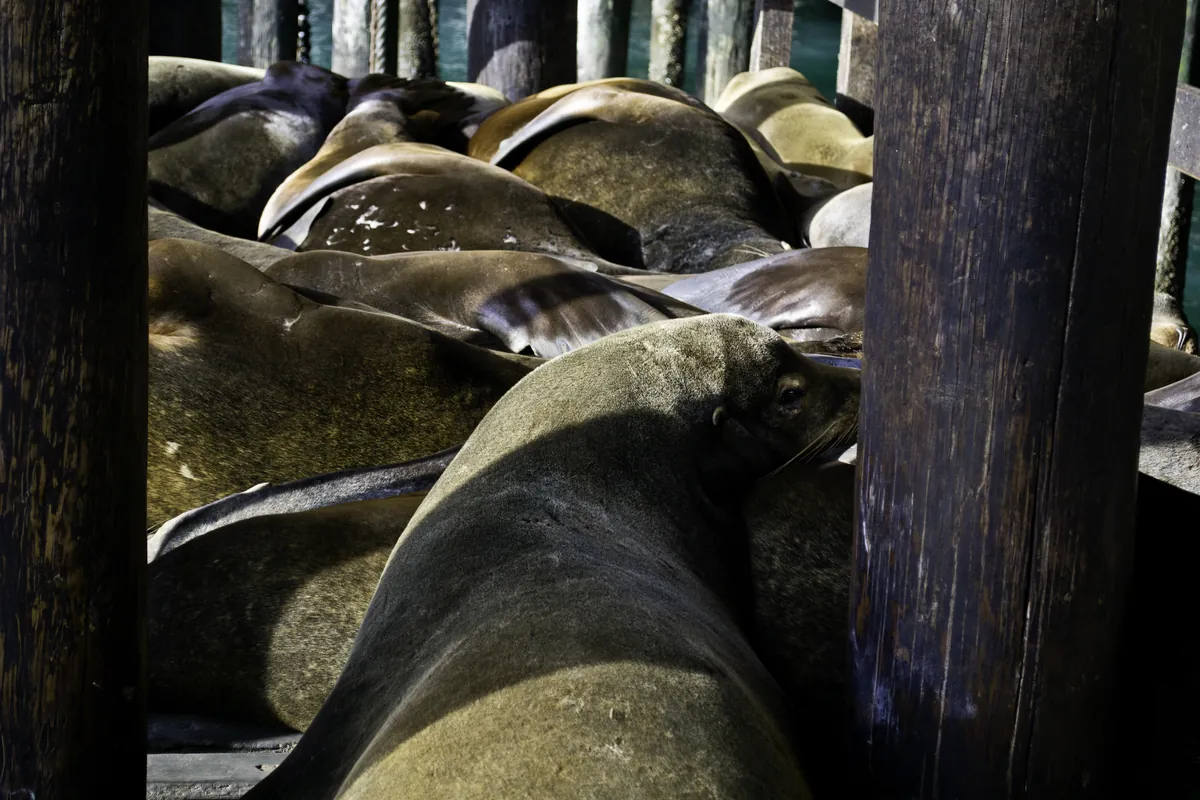
William Randolph Hearst and architect Julia Morgan broke ground at San Simeon in 1919 and kept building for nearly three decades — 115 rooms, three guesthouses, two pools, 127 acres of gardens — and still never finished. The project that consumed them was La Cuesta Encantada, The Enchanted Hill, and George Bernard Shaw reportedly said it was "what God would have built if he had the money." It now operates as a California State Park drawing around 750,000 visitors a year. Across Highway 1, Hearst Memorial State Beach sits calm and unhurried — the kind of place that earns its stop without demanding one. The northern coast holds its own surprises: in 1990, 25 elephant seals arrived near Piedras Blancas Lighthouse; by 2020, that colony had grown to between 15,000 and 25,000 animals annually. What Hearst started here — the long haul, the unfinished ambition — seems to suit the coastline.
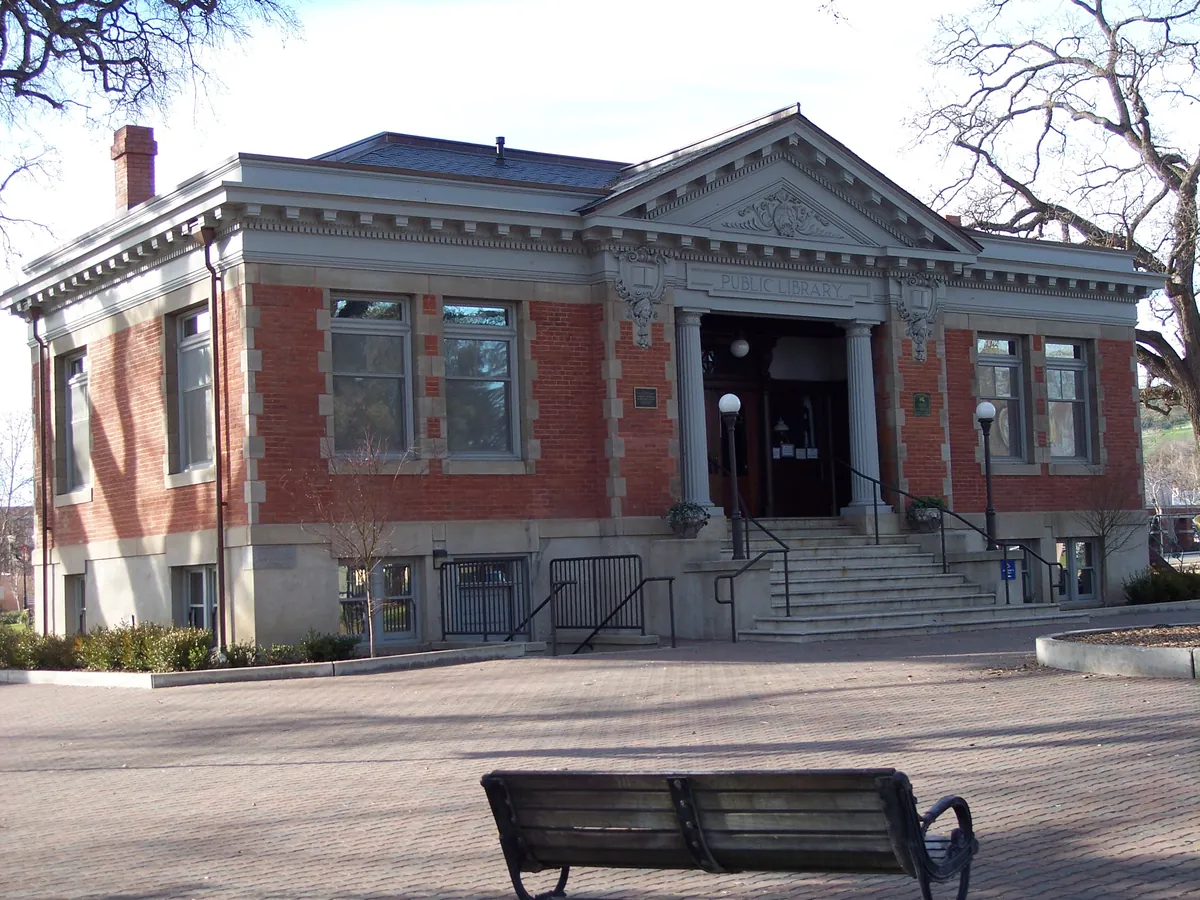
In 1901, the California Polytechnic School opened with 20 students and a philosophy it has never abandoned: learn by doing. That instinct — practical, hands-on, unimpressed by theory for its own sake — ran alongside a parallel current in the region. In 1905, the Carnegie Library building on Monterey Street opened in San Luis Obispo, housing what is now the County Historical Society & Museum, free to enter, holding the documentary record of Chumash heritage, the rancho period, American settlement. Forty miles north in Paso Robles, a $10,000 Carnegie Foundation grant produced a Classical Revival library between 1907 and 1908, designed by William H. Weeks, expanded by the WPA in 1939, operating until 1995. Three institutions, built by outside money and local will, that decided what this place was worth remembering and worth teaching. Cal Poly now enrolls roughly 22,000 undergraduates. The libraries endure.
Franklin Riley founded Morro Bay in 1870 to move wool, potatoes, barley, and dairy off Central Coast ranches and onto schooners — the Embarcadero was always a working calculation, not a scenic one. Up the coast at Cayucos, Captain James Cass built his own pier and warehouse for the same purpose, until a storm took it. The replacement still stands, pulling surfers and anglers instead of cargo ships. At Port San Luis Harbor, the cost of operating without navigation was made concrete on April 29, 1888, when the Queen of the Pacific settled to the bottom in 22 feet of water, roughly 500 feet short of the pier. No lives lost, but Congress had already authorized a lighthouse in 1886, and by June 30, 1890, it was lit. That beam still carries 17 miles out. These piers didn't begin as recreation — they began as infrastructure, and the recreation arrived around what endured.
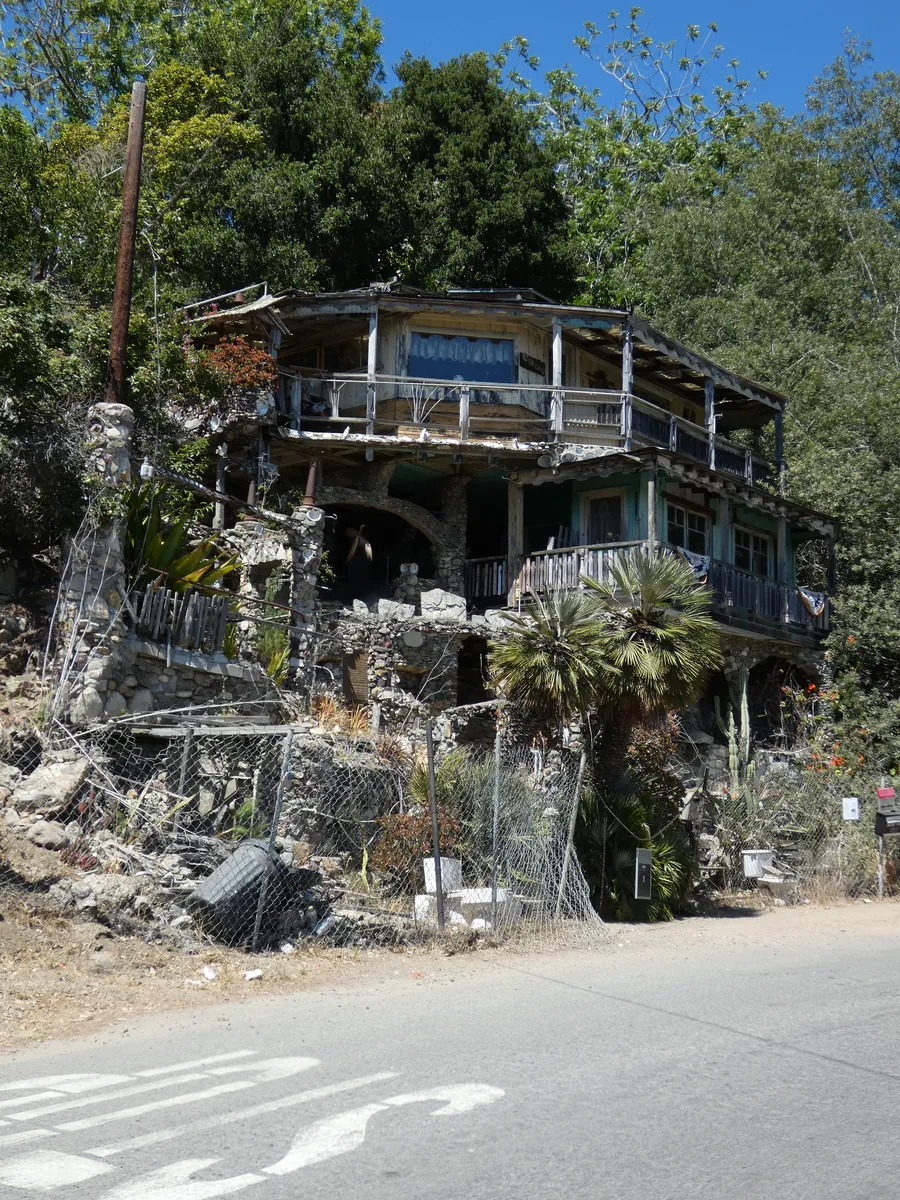
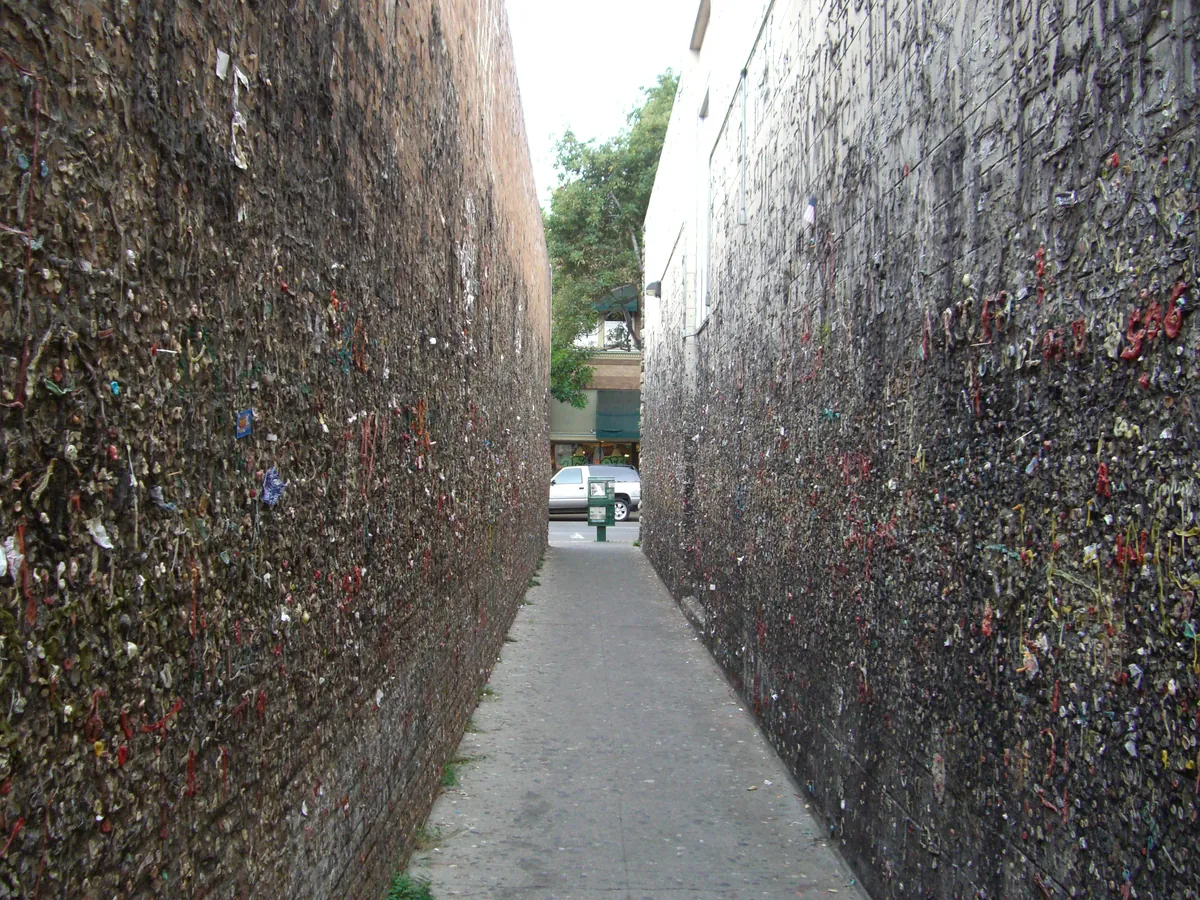
Nobody agrees on when Bubblegum Alley started — post-war graduating class ritual, or a 1950s rivalry between SLO High and Cal Poly students — but two full cleanings couldn't stop it, and a 1996 attempt to clear it failed entirely. That instinct, to make something unofficial and keep making it, runs through this stretch of the Central Coast. In Cambria, Art Beal spent most of fifty years building a castle from beer cans, abalone shells, and car parts on a hillside lot he bought in 1928 — he worked as the town's garbage collector, and the material was everywhere. The state named it Historical Landmark No. 939 in 1986. Back in San Luis Obispo, a small group of artists and educators built what became SLOMA, free to enter, steps from the mission plaza. A hundred public works now mark the city. The curiosity here didn't wait for permission.
The Central Coast holds its ground. At Morro Rock, a 581-foot volcanic plug at the harbor mouth, the Chumash consider it too sacred to climb; the Salinan hold the established right to ascend it for solstice ceremonies; the state quarried it for breakwater stone from 1889 to 1969 and then stopped. Now peregrine falcons nest there, and the public cannot climb it. Eight thousand acres at Montana de Oro have been state land since 1965, the Chumash present long before the Spanish arrived in 1542. Twenty-five elephant seals came ashore near Piedras Blancas in 1990; by 2020, between 15,000 and 25,000 arrived each year. The monarch butterflies at Pismo Beach tell the harder story — a colony once in the tens of thousands now counted in the hundreds, down roughly 90 percent since the 1980s. This coast keeps the ledger honestly, gain and loss both.
Before the region had a reputation, a winemaker arrived in Paso Robles, acquired land, and released a Cabernet Sauvignon — the bottle marked with a boar, for the German meaning of his name. That early bet on the westside established a template: find the right ground, plant what belongs there, and let the land make the argument. In 1982, Edna Valley became the nation's eleventh federally recognized appellation, its cool growing season shaped by marine air funneling inland from Morro Bay. Seven years later, a French-American partnership selected an old alfalfa farm in the Adelaida district specifically for its limestone soils, importing vines from southern France through federal quarantine before the first wines appeared in 1997. Today, the density of the region is its own statement — corrugated metal tasting rooms clustered on a single block, more than twenty small-production winemakers within walking distance of each other. The Central Coast didn't inherit wine country. It built it, one deliberate planting at a time.
Franklin Riley founded Morro Bay in 1870 as a port — not a town to live in so much as a place to load things: wool, potatoes, barley, dairy goods bound for somewhere else. That was the Central Coast's essential logic for decades. The wharf at Morro Bay, the pier at Cayucos built by Captain James Cass to move cargo up and down the coast, the 1,685-foot pier at Avila Beach handling goods and passengers from 1908 — every one of them was infrastructure before it was scenery. Ships working into Port San Luis did it without a lighthouse until 1890, a fact made vivid on April 29, 1888, when the Queen of the Pacific limped in blind and settled to the bottom 500 feet short of the pier. Nobody died, but the argument was made. The light went up. Some places earn their landmarks the hard way.
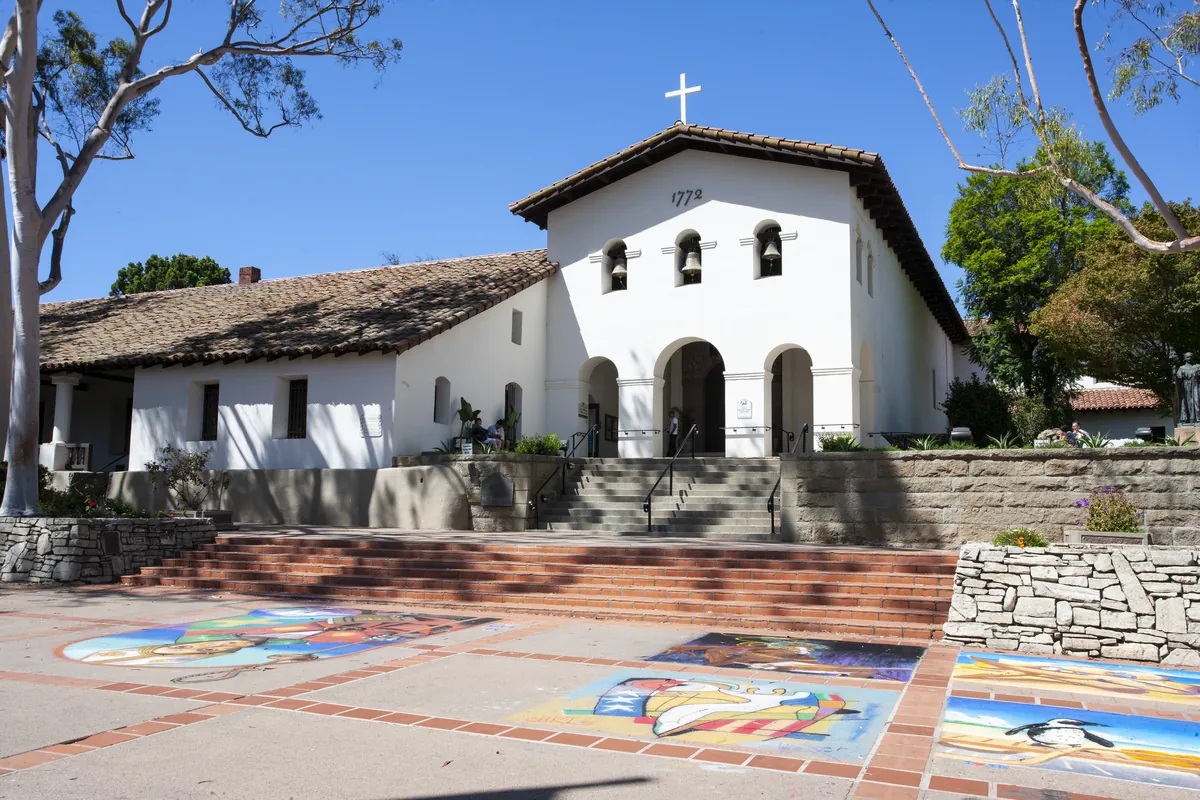
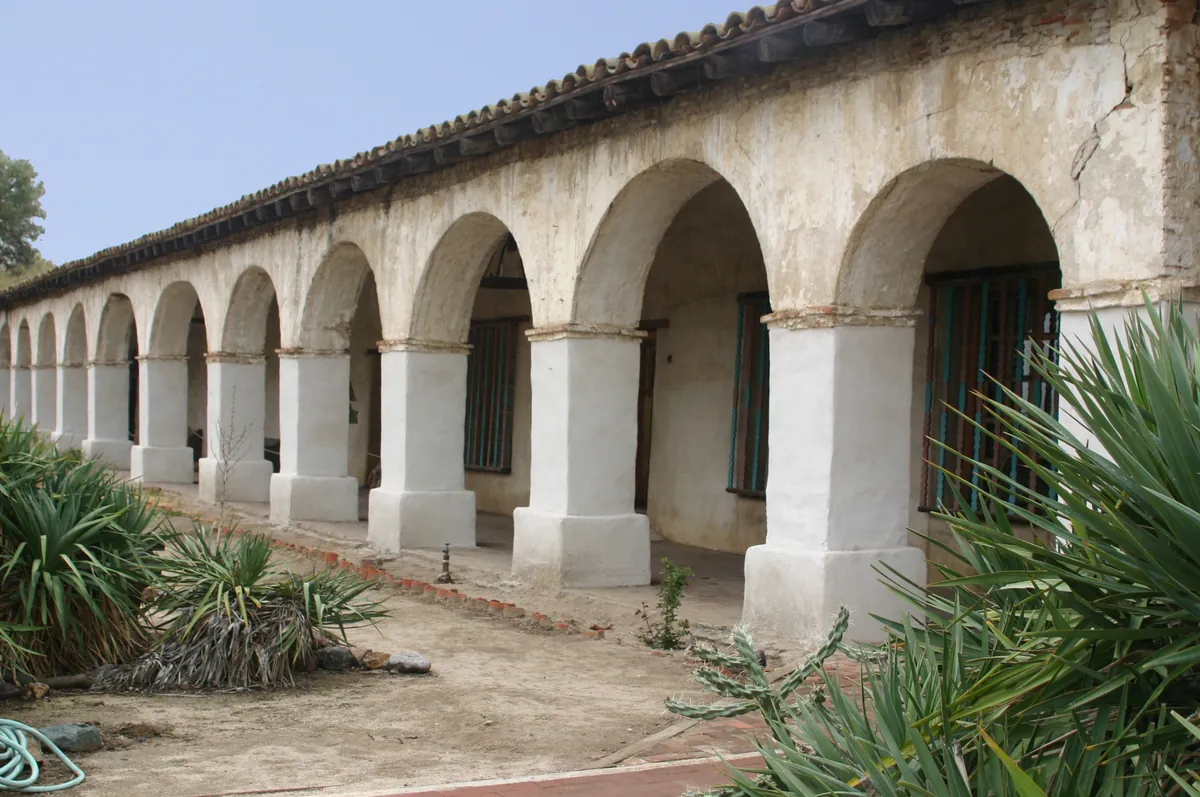
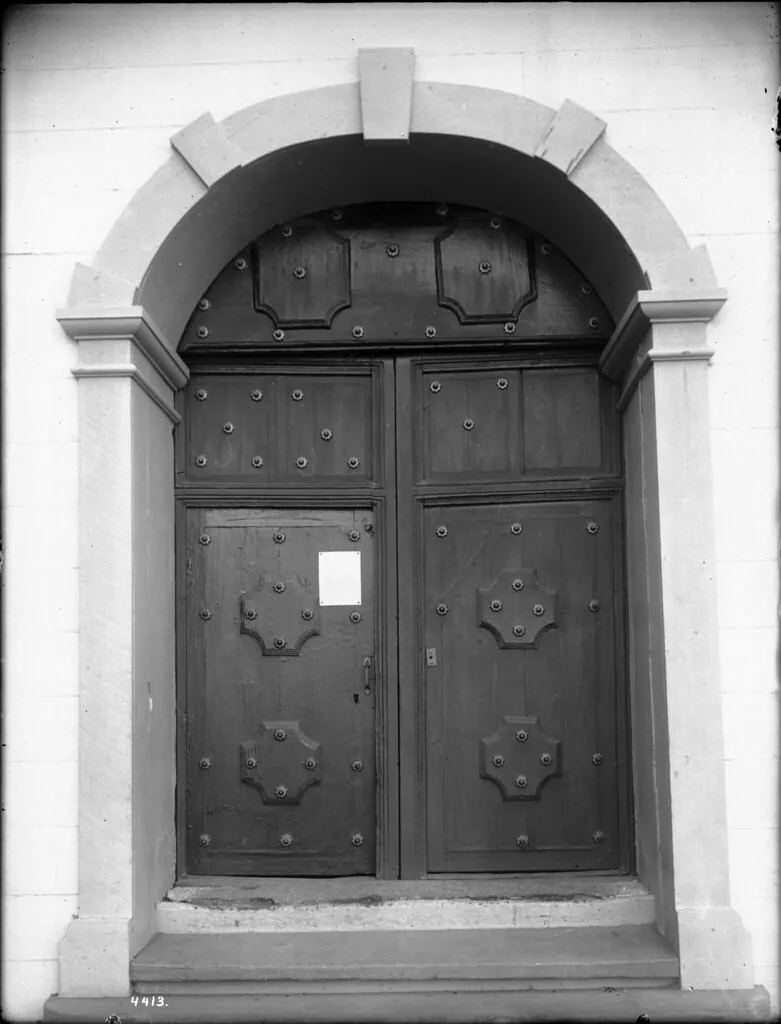
On September 1, 1772, Father Junípero Serra planted a cross near San Luis Creek and celebrated the first mass, and the city that exists today grew from that act. The Chumash, whose people had lived this coastline long before the Portolá expedition passed through in 1769, built the mission with their labor — then set its wooden structures ablaze in resistance. The Spanish rebuilt in adobe and tile. That exchange — Indigenous presence, colonial imposition, the thing made from the collision — runs through the Central Coast still. The Salinan artists who painted San Miguel's interior walls. The name Point Buchon, carrying a Chumash chief's memory on land that stayed closed to the public for generations. The documentary record sits free of charge in a Carnegie Library on Monterey Street. The missions themselves remain active parishes. The city lives inside this history whether it looks directly at it or not.
Tickets & Shows
Plan your trip
The only thing left to do is go.
Some of these are partner links — if you book through them, Portage may earn a commission at no extra cost to you.
Editorial content compiled with AI assistance. Place details verified against public records.