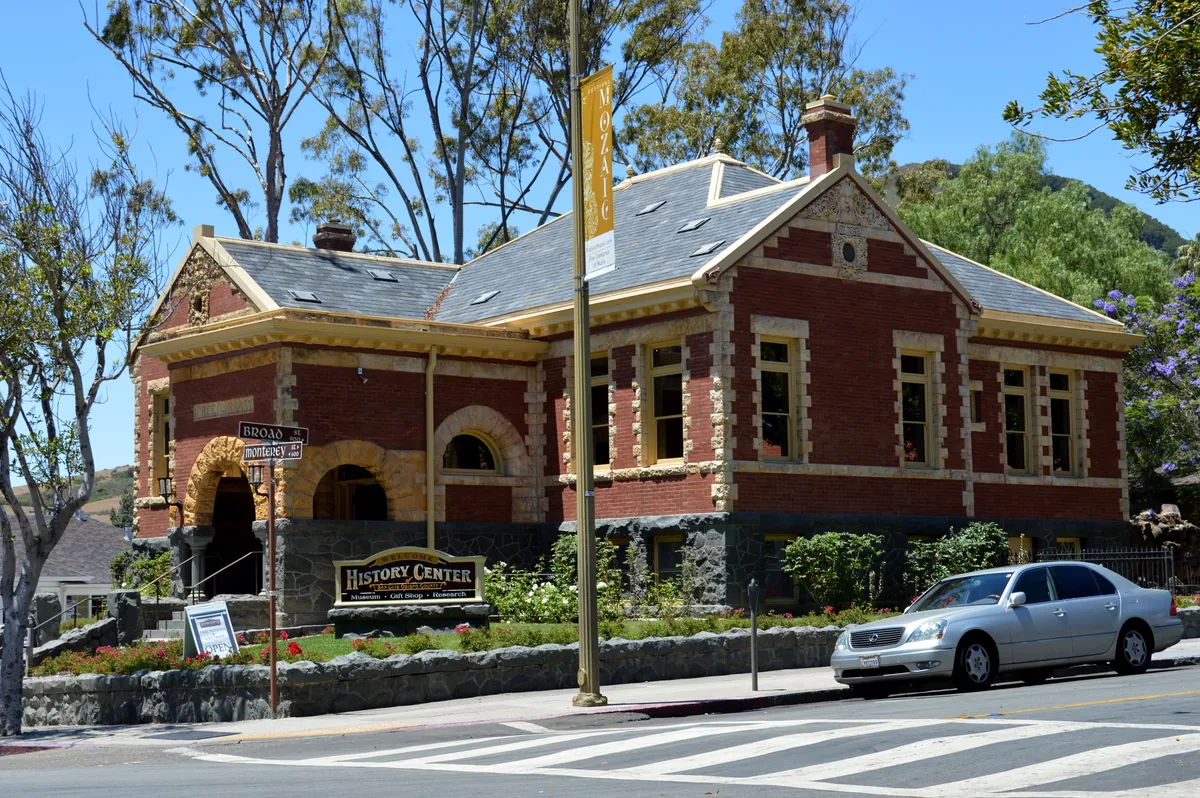
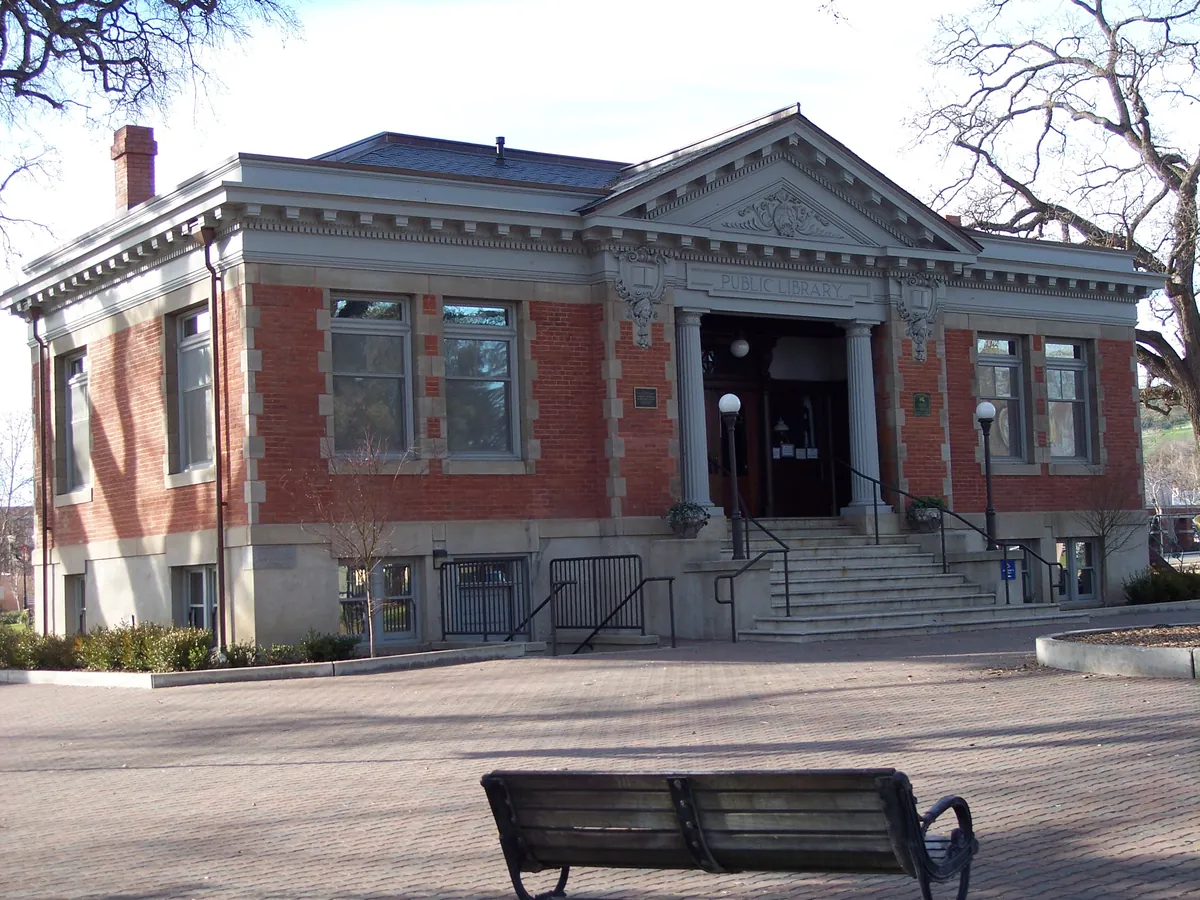
In 1901, the California Polytechnic School opened with 20 students and a philosophy it has never abandoned: learn by doing. That instinct — practical, hands-on, unimpressed by theory for its own sake — ran alongside a parallel current in the region. In 1905, the Carnegie Library building on Monterey Street opened in San Luis Obispo, housing what is now the County Historical Society & Museum, free to enter, holding the documentary record of Chumash heritage, the rancho period, American settlement. Forty miles north in Paso Robles, a $10,000 Carnegie Foundation grant produced a Classical Revival library between 1907 and 1908, designed by William H. Weeks, expanded by the WPA in 1939, operating until 1995. Three institutions, built by outside money and local will, that decided what this place was worth remembering and worth teaching. Cal Poly now enrolls roughly 22,000 undergraduates. The libraries endure.