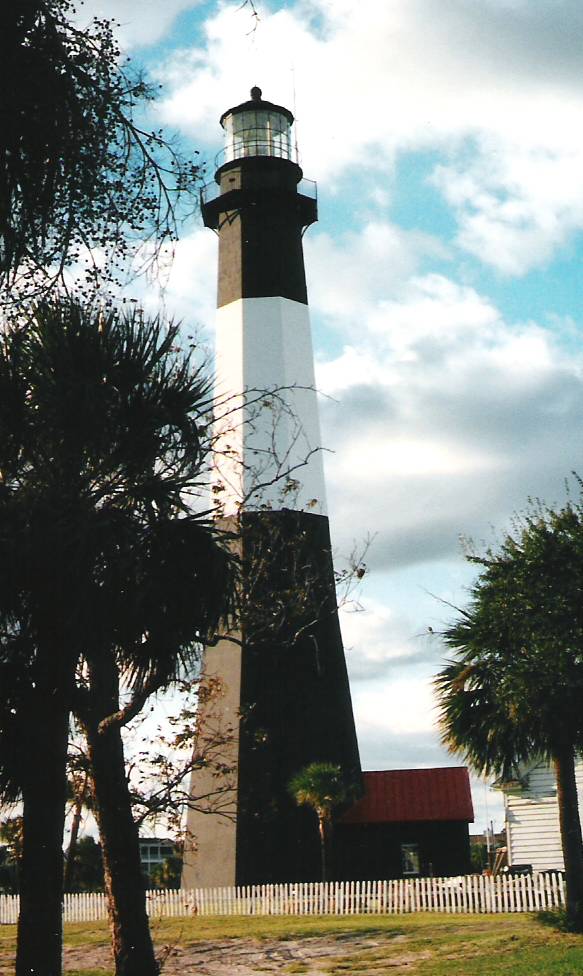
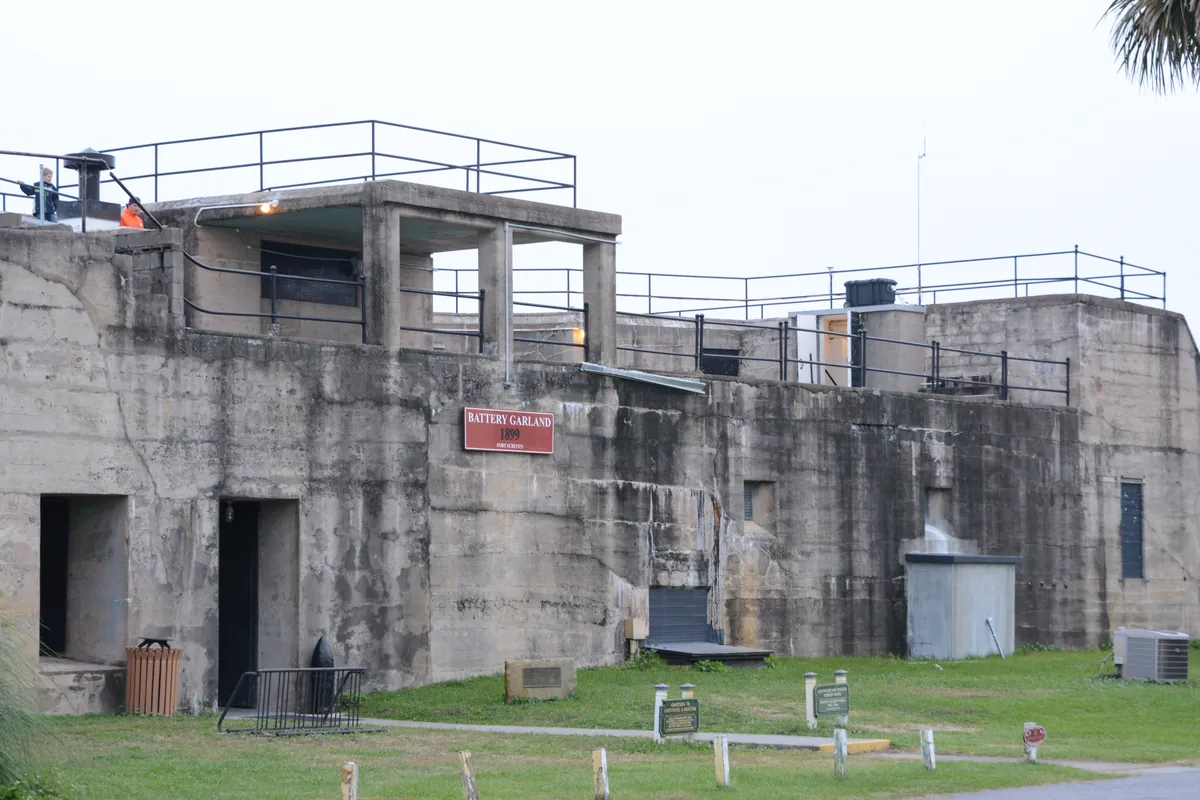
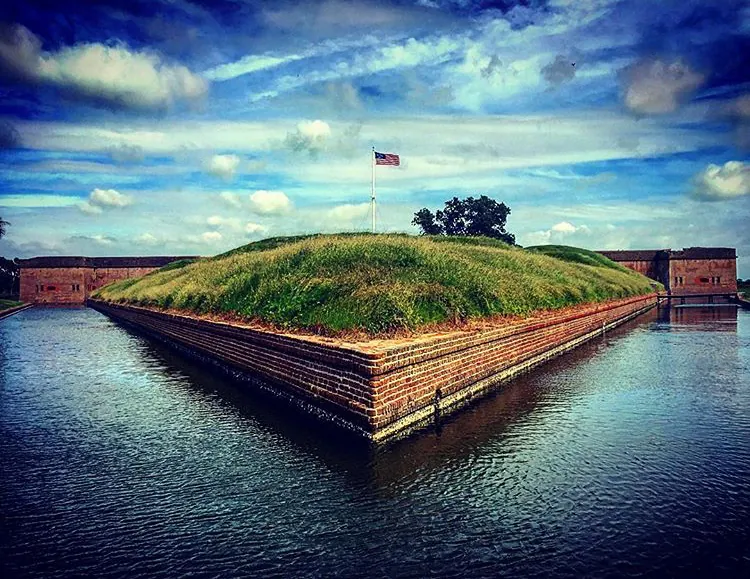
Oglethorpe looked at Tybee Island in 1732 and understood what the position meant — a bluff at the river's mouth, twenty miles from the open Atlantic, was either a door or a trap depending on who held it. He ordered the first structure there before Savannah itself was a year old. What followed was two centuries of building, burning, and rebuilding: the lighthouse torched by Confederate forces in 1862 as they fell back to Fort Pulaski, its lower sixty feet left standing, the rest raised again from that surviving base. Fort Pulaski fell that same year when Union rifled cannons breached walls eleven feet thick and ended the age of masonry fortification in a single afternoon. Fort Screven came in 1898, concrete and steel this time, built against a new war with Spain, and served until the end of World War II. The guardians kept changing. The need never did.