Top picks in Savannah
The places most worth your time here.
Connect your Cour circle to see which places friends and family recommend here.
Connect Cour →Landmarks
16 places worth the detour
tap the eye to open · swipe or use buttons to browse
Savannah sits on the Savannah River twenty miles upriver from the Atlantic, at a bluff high enough to command the approach from the sea and close enough to the Georgia interior to pull its wealth…
Read the full storyReading
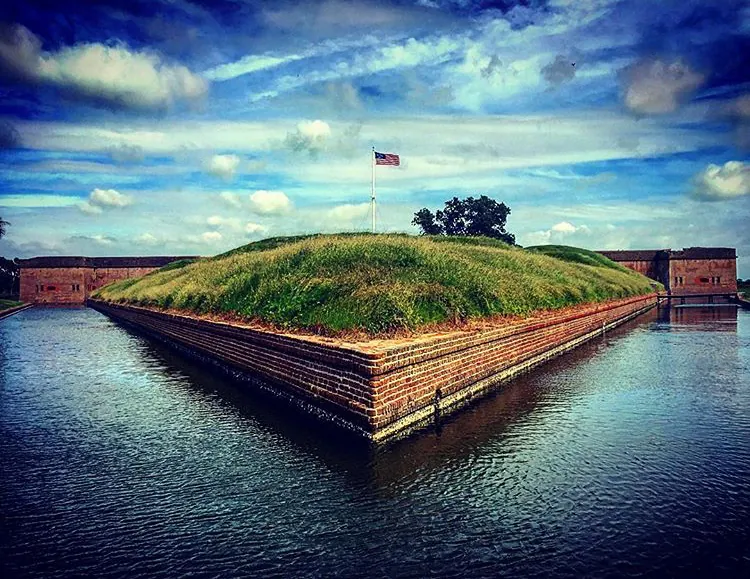
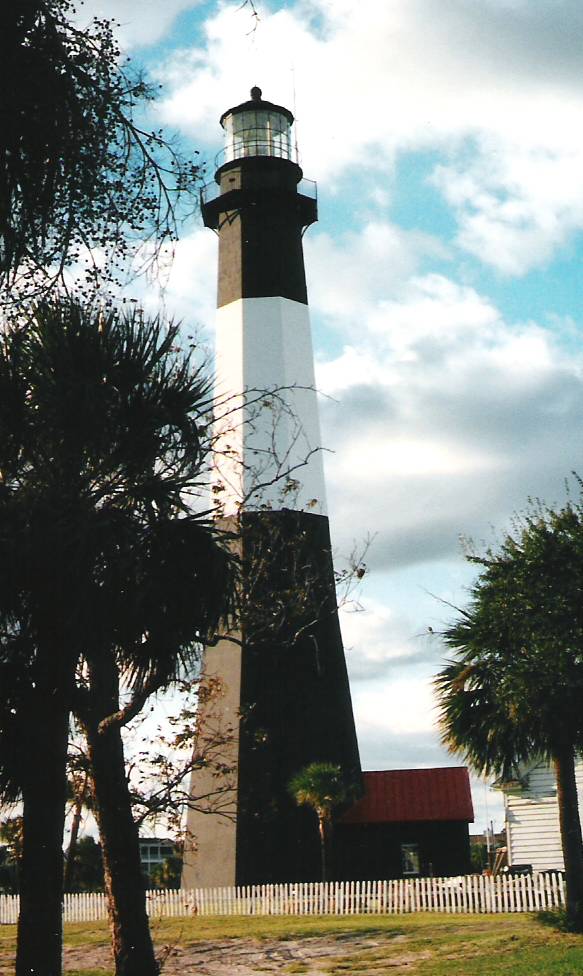
Oglethorpe looked at Tybee Island in 1732 and understood what the position meant — a bluff at the river's mouth, twenty miles from the open Atlantic, was either a door or a trap depending on who held it. He ordered the first structure there before Savannah itself was a year old. What followed was two centuries of building, burning, and rebuilding: the lighthouse torched by Confederate forces in 1862 as they fell back to Fort Pulaski, its lower sixty feet left standing, the rest raised again from that surviving base. Fort Pulaski fell that same year when Union rifled cannons breached walls eleven feet thick and ended the age of masonry fortification in a single afternoon. Fort Screven came in 1898, concrete and steel this time, built against a new war with Spain, and served until the end of World War II. The guardians kept changing. The need never did.
Savannah was born as a port and never forgot it. Oglethorpe landed at Yamacraw Bluff in 1733, and the river twenty miles from the Atlantic became the city's reason for existing — carrying cotton from plantation country out to European markets, building the wealth that funded the squares and the warehouses along the waterfront. The cobblestones on River Street aren't decorative; they came as ballast in the hulls of sailing ships, the city's commerce literally pressed into its pavement. Those antebellum cotton warehouses still stand along the nine-block stretch, converted now to restaurants and shops, but the bones are the same. The Central of Georgia Railway roundhouse rose from the same logic — move the goods. A city that surrendered peacefully in 1864 to preserve itself is still here, still a working port, one of North America's largest container operations. The river built this place. It still runs it.
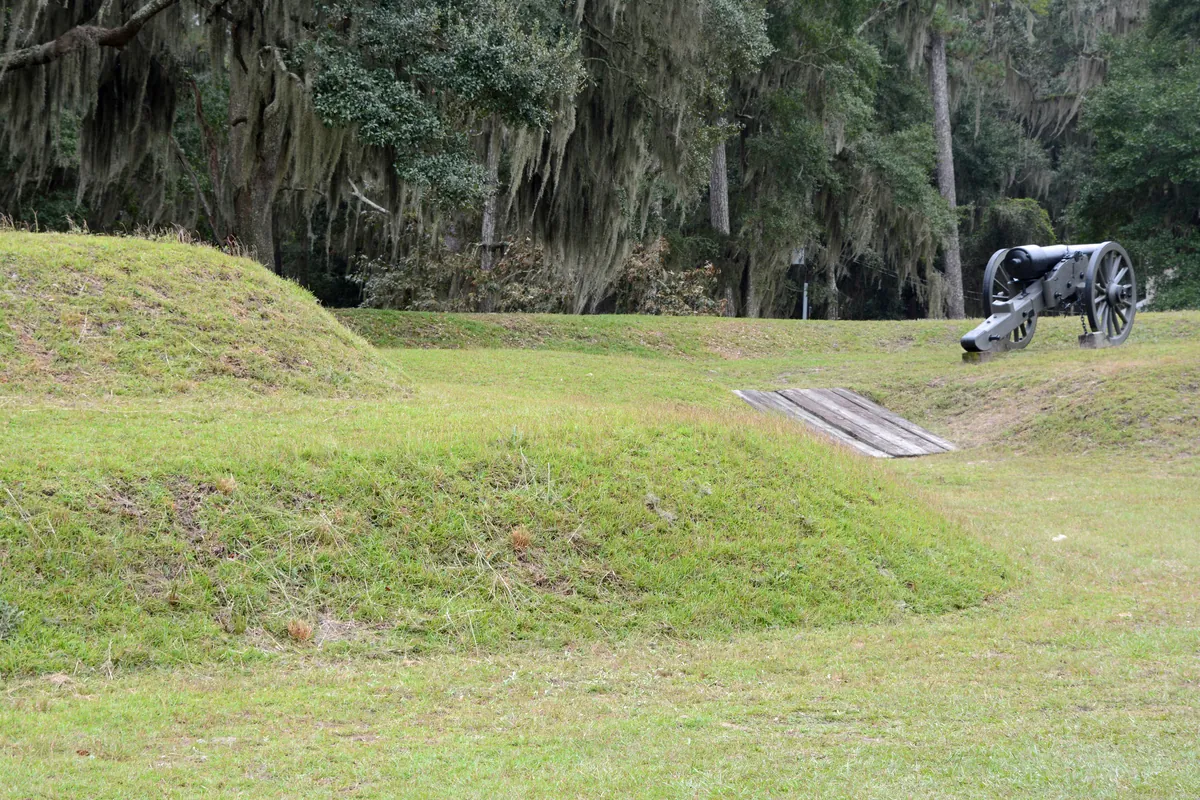
Savannah's value was always about the river. Twenty miles of water between the bluff and the Atlantic made this port worth taking, worth holding, worth dying for — and every army that moved through Georgia understood that calculus. The British seized it in 1778 and held it until 1782, and when the combined American and French forces tried to dislodge them in 1779, they failed. A sergeant named Jasper recovered his company's banner during that siege, mortally wounded; Madison Square still carries his monument. Fort Pulaski's eleven-foot walls and 25 million bricks were supposed to end that conversation permanently — until Union rifled cannons breached them in April 1862 and ended the age of masonry fortification entirely. Fort McAllister held seven Union assaults before finally falling in December 1864, opening the river. Then Savannah negotiated its own surrender rather than burn. The city survived because someone chose the city over the cause.
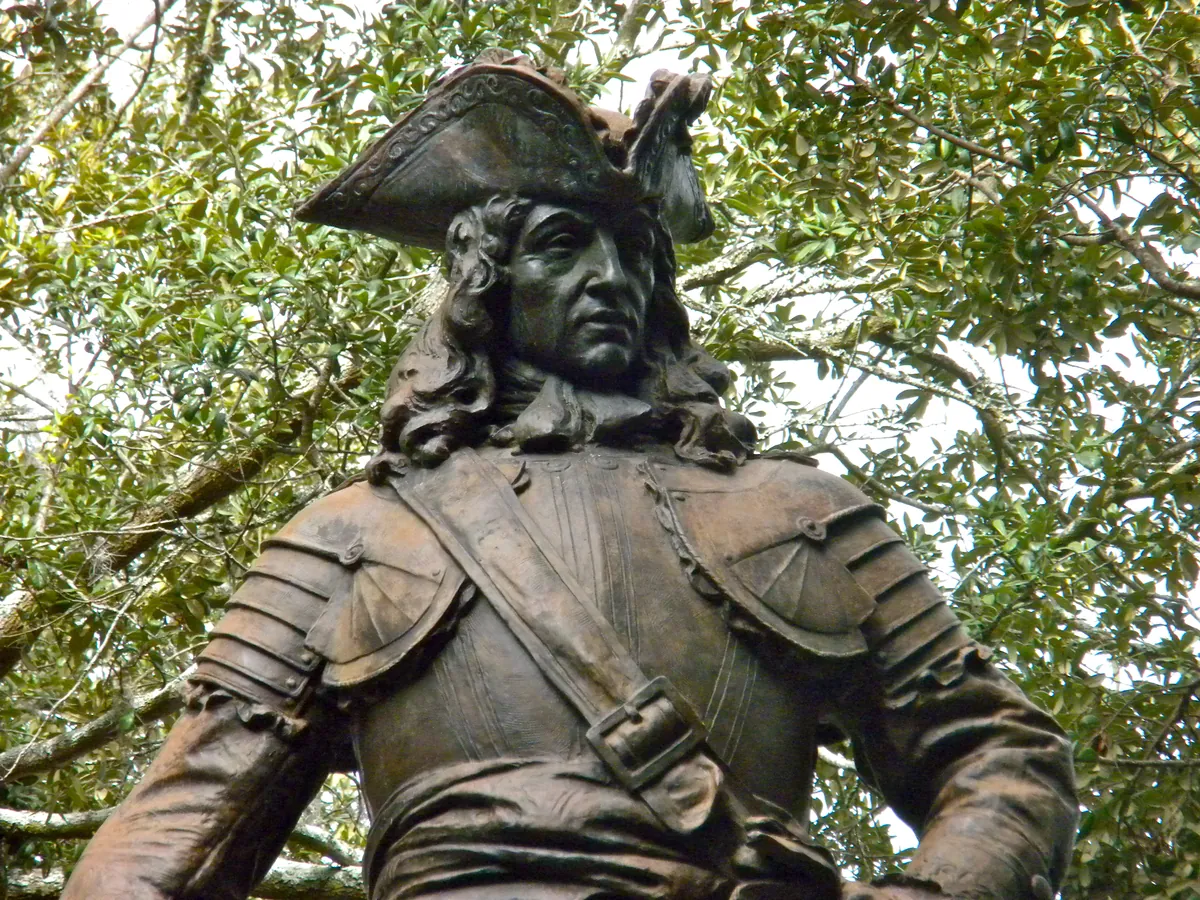
When James Oglethorpe landed at Yamacraw Bluff in 1733, he didn't just found a city — he drew a template. Johnson Square, laid out that same year, was the first of what would become 22 squares, each organizing the blocks around it into a repeating pattern of public space and private life. The plan held through a Revolutionary War occupation, a failed siege, and Sherman's army at the gates. Savannah's leaders surrendered peacefully in December 1864 rather than watch it burn. The squares absorbed the city's contradictions too: Wright Square honors the builder of Georgia's first railroad, while a granite boulder in its corner marks the grave of Tomochichi, the Yamacraw chief whose diplomacy made the founding possible without bloodshed. That tension — between what gets the monument and what gets the corner — is still visible if you know to look for it.
Plan your trip
The only thing left to do is go.
Some of these are partner links — if you book through them, Portage may earn a commission at no extra cost to you.
Editorial content compiled with AI assistance. Place details verified against public records.