Top picks in Texas Hill Country
The places most worth your time here.
Connect your Cour circle to see which places friends and family recommend here.
Connect Cour →Landmarks
54 places worth the detour
tap the eye to open · swipe or use buttons to browse
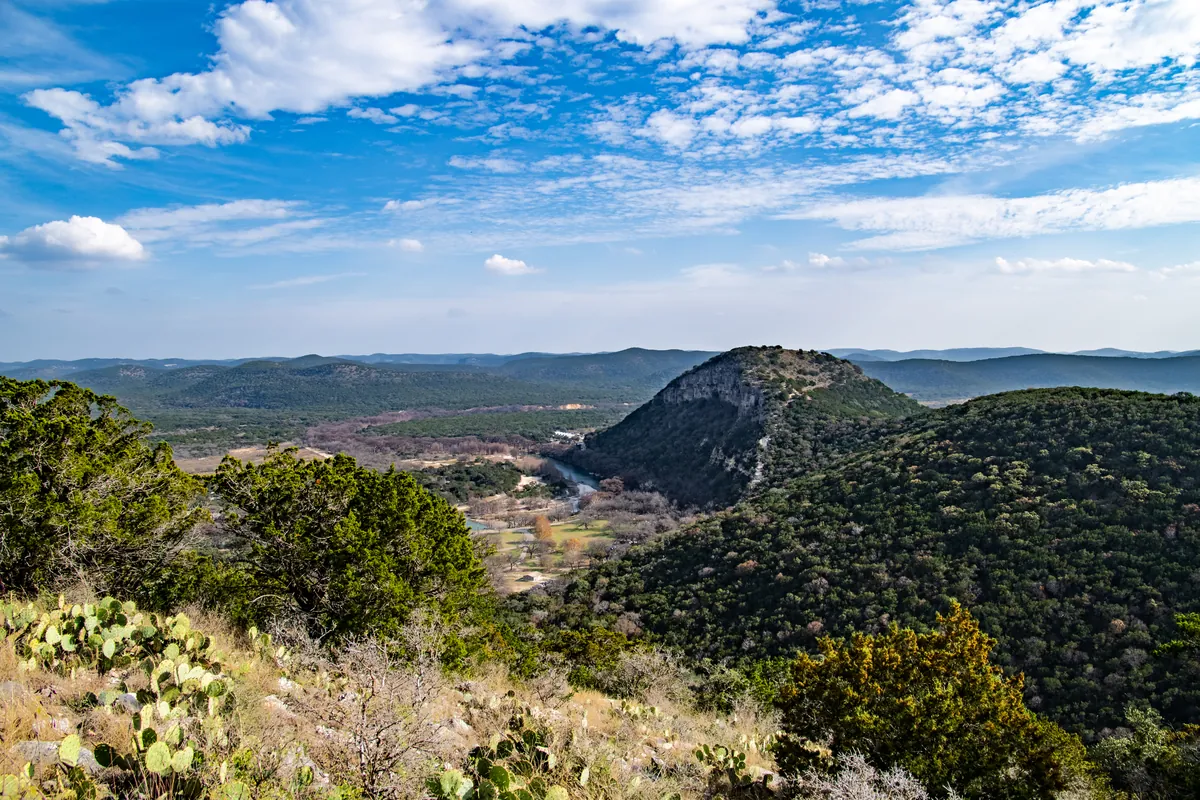
The Edwards Plateau does not announce itself gently. East of the Balcones Escarpment, the land lies flat, coastal, predictable. Then the fault line hits and everything fractures — limestone ridges,…
Read the full storyReading
The land along US-290 between Austin and Fredericksburg has been producing something worth stopping for long before the wineries arrived. Stonewall's peach stands still run through Gillespie County every summer — small family operations, a few larger ones, some that let you pick your own. Medina, a bit further out, calls itself the Apple Capital of Texas, and Love Creek Orchards makes the case with eleven varieties available year-round. The wine came later. In 1992, Bunny and Richard Becker planted the first vines on 46 acres east of Fredericksburg; what started with eight wineries in 1999 under the Texas Hill Country Wineries association has grown to more than sixty. William Chris Vineyards, founded in Hye in 2008, became the first Texas winery named to the World's 50 Best Vineyards list. By visitor count, the region now ranks as the second most-visited wine destination in the United States.
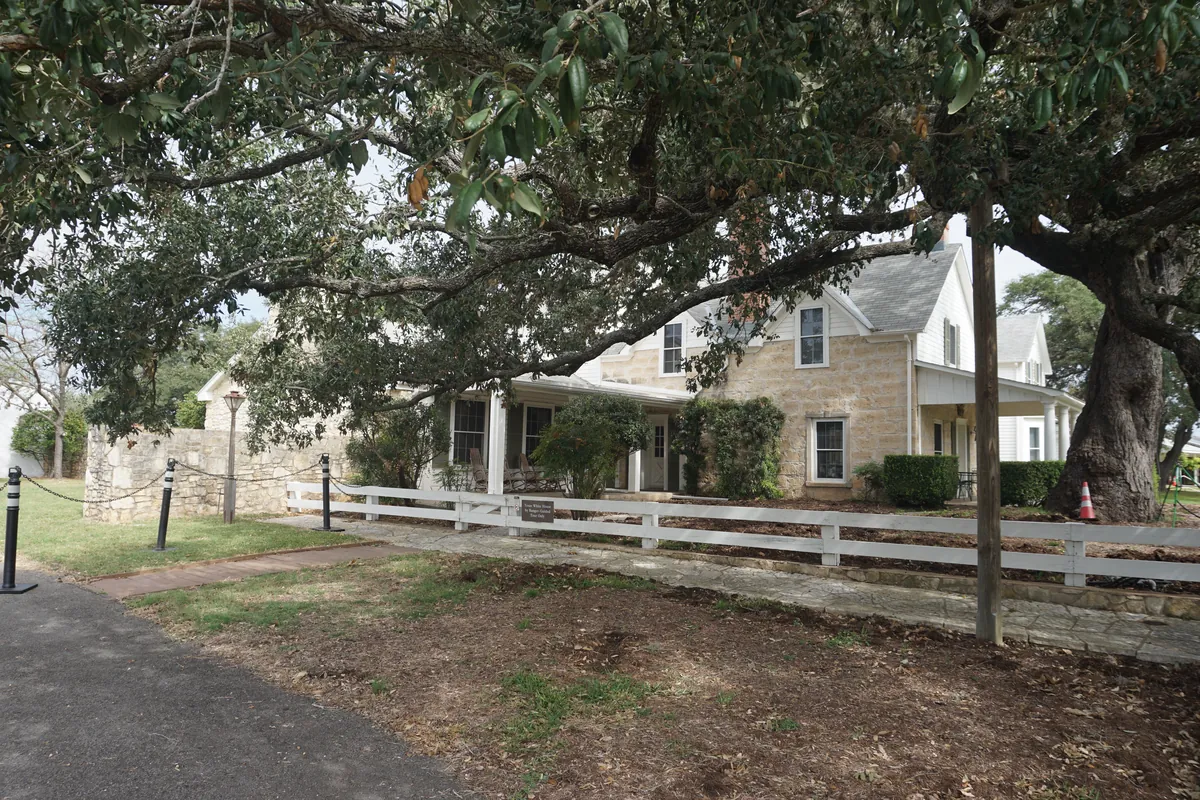
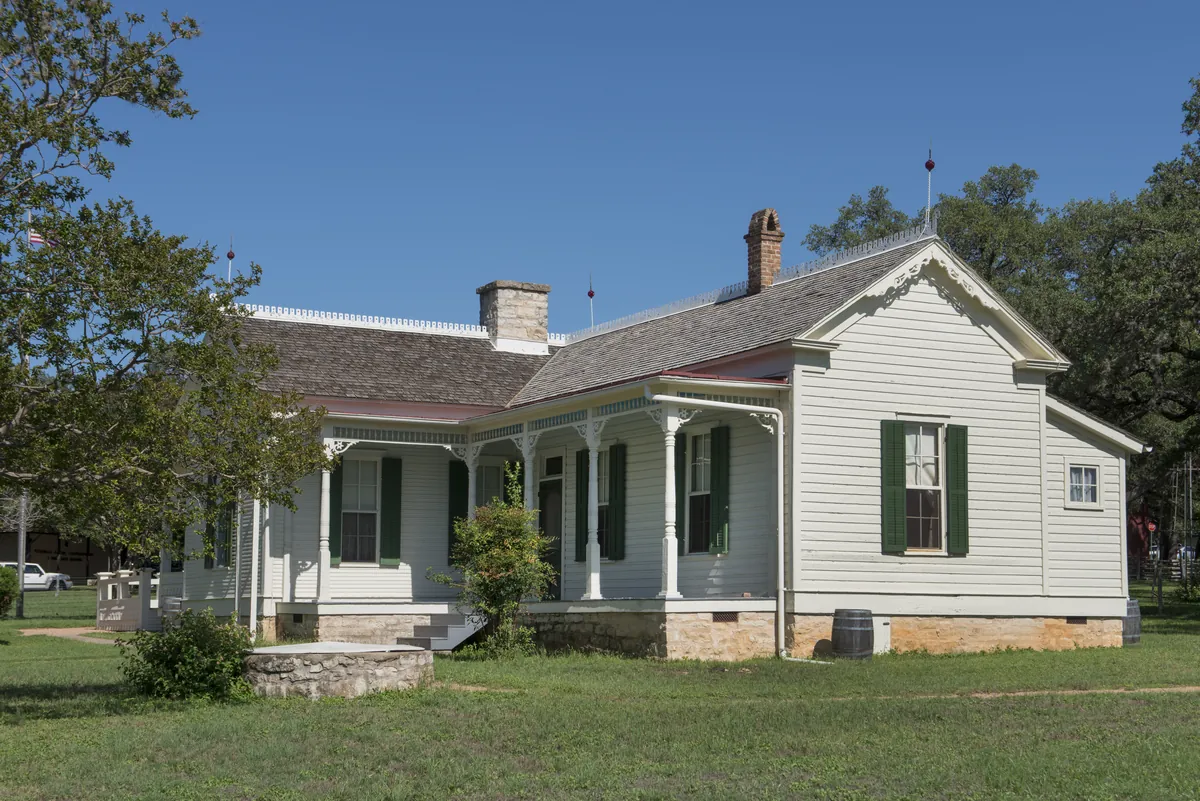
He was born here, worked this land, ran the country from here, and came back to die here. The LBJ Ranch on the Pedernales River near Stonewall isn't a shrine built after the fact — it's the actual place, the full arc of one life compressed into limestone hill country about fifty miles west of Austin. Johnson called it his Texas White House and spent roughly twenty percent of his presidency on that ground. When he died, he left the ranch to the public with one condition: keep it a working ranch. The Hereford cattle grazing there today descend from his own herd. Fourteen miles east, his grandfather's log cabin settlement and a restored 1880s boyhood home anchor the Johnson City end of the story. The family cemetery holds both Johnson and Lady Bird. No other presidential park contains that much of a single life.
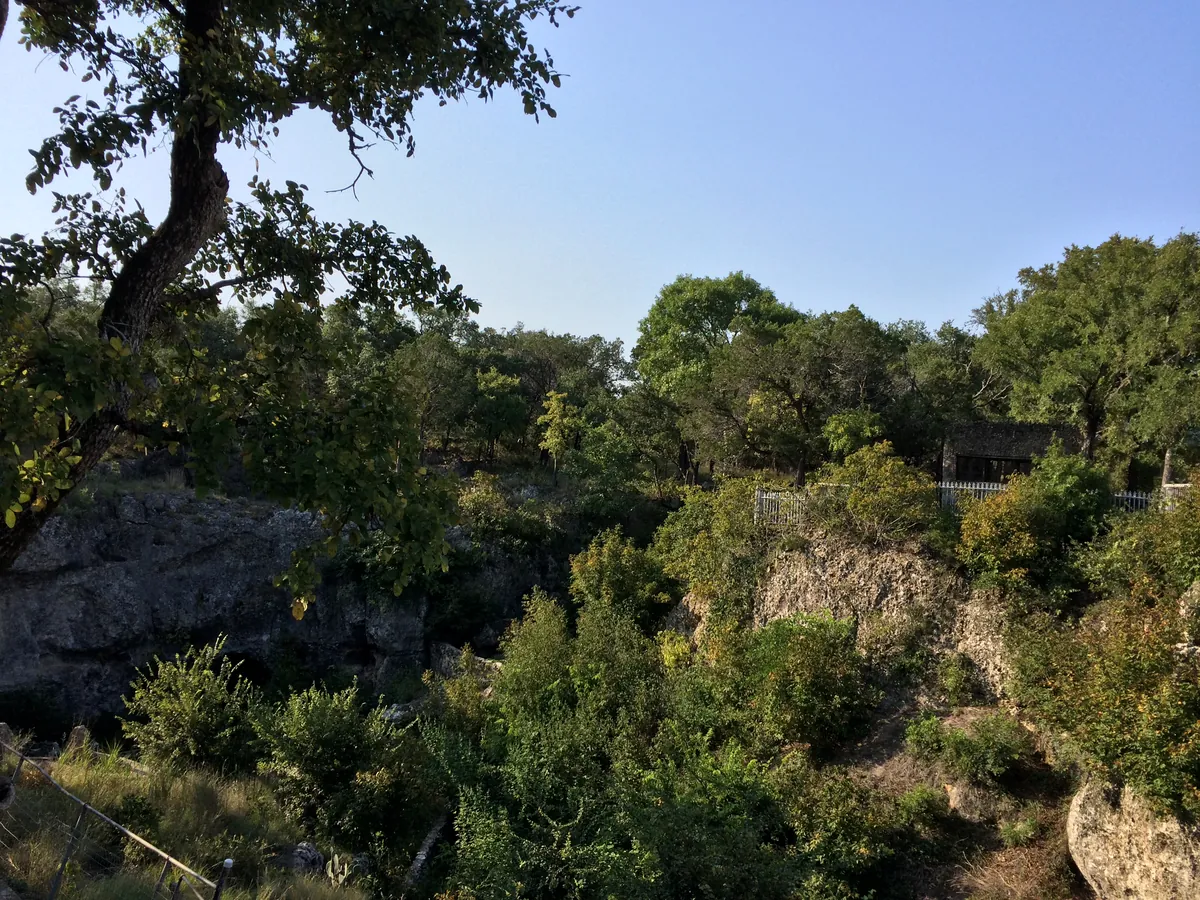
Water carved this landscape and water still runs the place. The limestone beneath Burnet County swallowed an ancient river and left a cavern where Native Americans sheltered, outlaws passed through, and Depression-era Texans danced to radio broadcasts before the CCC cut stairs into the rock. In the Sabinal River canyon, a stand of bigtooth maples survived the end of the last glacial period — relics of a cooler, wetter Texas that simply refused to leave. Cypress Creek feeds Blue Hole at a steady 70 degrees and drops straight down into Jacob's Well, a 12-foot-wide shaft that killed nine divers between 1964 and 1984 and has stopped flowing entirely in recent dry years. The Pedernales shaped the ground where a president was born and buried. The Guadalupe runs through the middle of Kerrville. Every town in the Hill Country is built around what the water decided to do.
On May 8, 1846, 120 German immigrants founded Fredericksburg in limestone — and limestone is still the material that tells the story. The settlers who arrived in the Texas Hill Country through the 1840s and 1850s built in stone because stone was what the land offered, and what they built largely survived: more than 700 historically significant structures in Fredericksburg alone, plus the townsite of Comfort, founded in 1854, where nearly the entire original core still stands. They brought their politics too. The Forty-Eighters who settled Sisterdale in 1847 were intellectuals and abolitionists who had fled the failed German revolutions. When the Confederacy demanded loyalty oaths, some of their descendants refused. Thirty-four were killed. Comfort raised a limestone obelisk over their mass grave in 1866. The Hill Country these immigrants made was never simply picturesque — it was argued over, died for, and built to last.
Before you go
Blanco County's deer leases, caliche roads, and small-town schemes — this is who lives here before the wine tourists arrived.
The Hill Country segment — aquifers, rivers, bats at Bracken Cave — shows what's actually at stake under your feet before you arrive.
Plan your trip
The only thing left to do is go.
Some of these are partner links — if you book through them, Portage may earn a commission at no extra cost to you.
Editorial content compiled with AI assistance. Place details verified against public records.