From 'America's Salad Bowl' to Organic Pioneer: The Agricultural Transformation of Salinas Valley
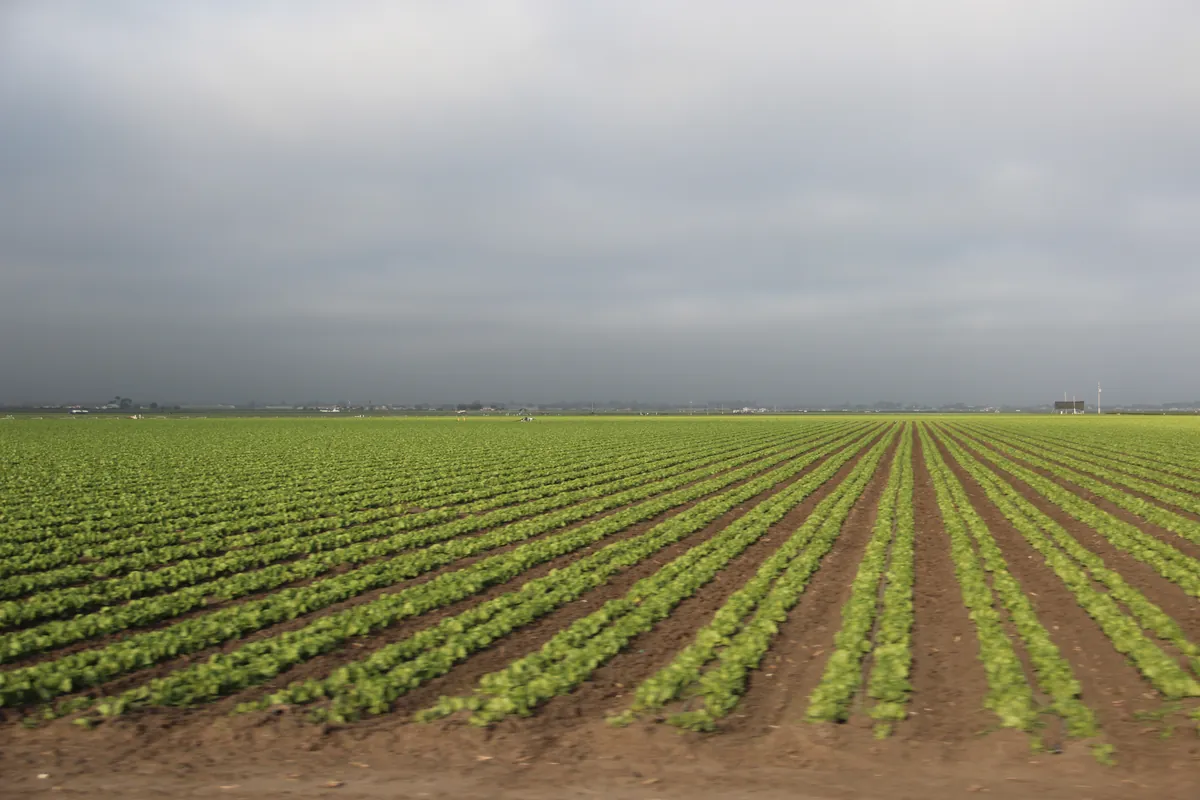
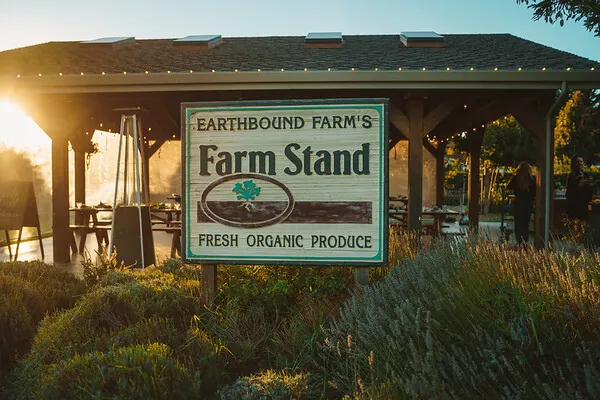
The Southern Pacific reached Salinas in November 1872, and within a month the town had pried the county seat away from Monterey — the railroad's politics reshaping the valley before a single crop was planted for export. Claus Spreckels opened one of the largest beet-sugar refineries in existence at nearby Spreckels in 1899. Then, around 1921, ice-packed refrigerated railcars arrived and changed everything: by 1963, more than a million boxcars of iceberg lettuce had shipped from the valley, earning it the name America's Salad Bowl. The infrastructure that made industrial scale possible was already in place when, in 1984, Drew and Myra Goodman started Earthbound Farm on 2.5 acres in Carmel Valley. The following year, the Rural Development Center opened on a farm eight miles south of Salinas. The valley that fed the country through sheer volume was beginning, in its margins, to ask different questions about how that work gets done.